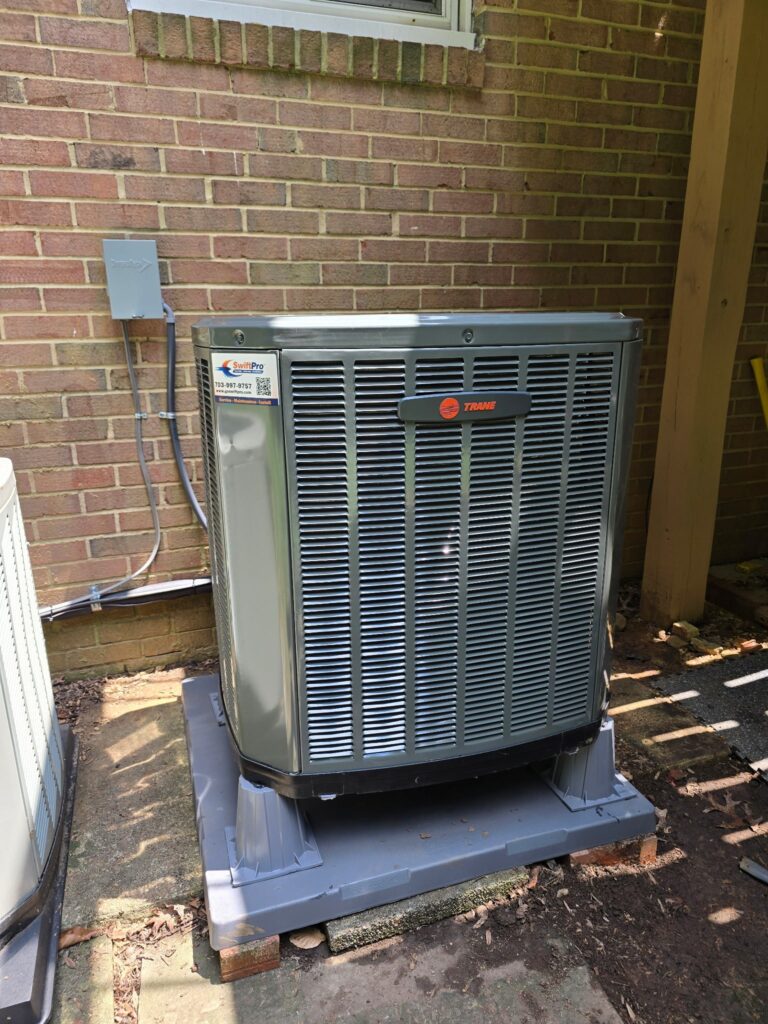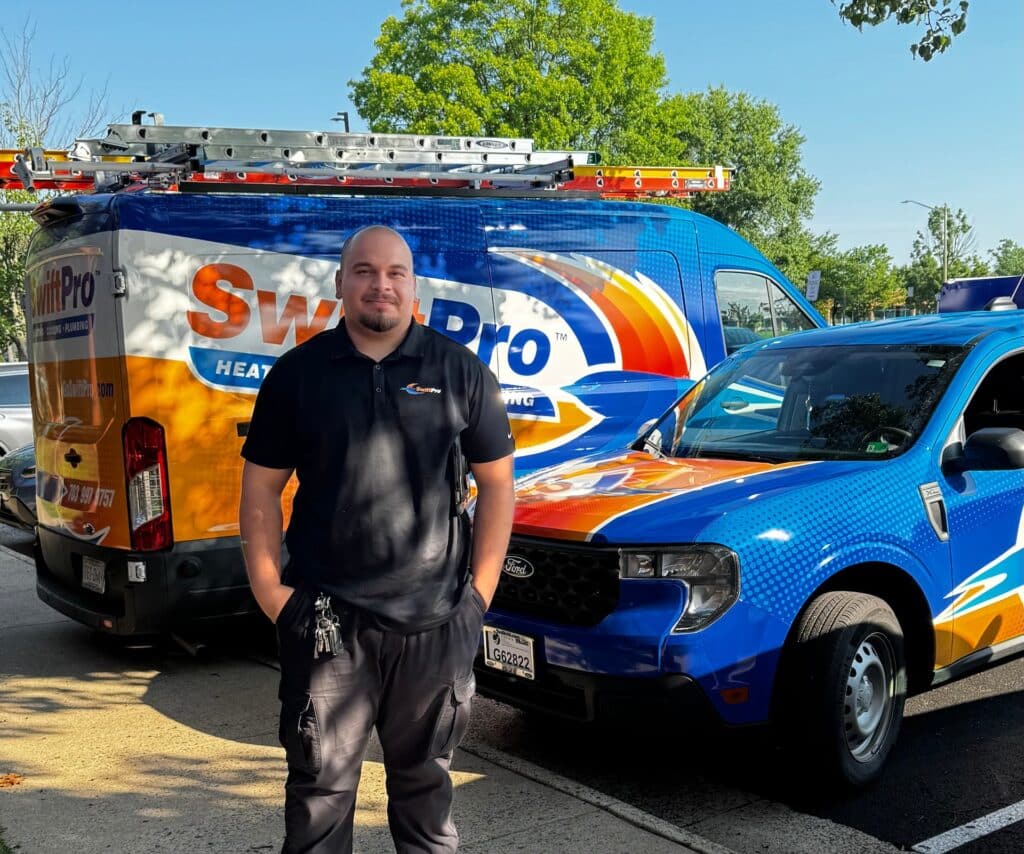


When temperatures drop, your heating system becomes one of the most important parts of your home. But without proper care, it can break down when you need it most or run up your energy bills. Annual heating maintenance involves a professional inspection and tune-up of your system once a year, typically in late summer or early fall, to keep it running safely and efficiently throughout winter.
Most homeowners don’t think about their heating system until something goes wrong. A cold house in the middle of winter means emergency repair calls, higher costs, and uncomfortable nights waiting for help. Regular maintenance prevents most of these problems before they start.
What a maintenance visit actually covers:
- Annual heating maintenance: Why it’s essential for your home
- What is included in an annual heating maintenance visit?
- Why regular heating maintenance is crucial
- Common signs your heating system needs maintenance
- Benefits of scheduling annual heating maintenance
- How often should annual heating maintenance be performed?
- Why choose SwiftPro for annual heating maintenance
Keep reading to learn how annual heating maintenance keeps your furnace running safely, efficiently, and reliably through winter.
Annual heating maintenance: Why it’s essential for your home
Your heating system needs professional attention once a year to work properly. This isn’t just a suggestion from technicians trying to make money. It’s a real requirement for keeping your home safe and comfortable.
Here’s what annual maintenance does for you:
- Prevents dangerous carbon monoxide leaks
- Catches small problems before they become expensive repairs
- Reduces your monthly energy bills by up to 15%
- Extends the life of your heating equipment by several years
- Keeps your manufacturer’s warranty valid
Without regular service, your heating system works harder to produce the same amount of heat. This wastes energy and drives up your utility costs. Dirty filters and worn parts force the system to run longer cycles, which means more money out of your pocket each month.
By combining proper equipment maintenance and upgrades with recommended insulation, air sealing, and thermostat settings, the U.S. Department of Energy (DOE) says homeowners can save about 30% on their energy bill (results vary by home and climate).
Safety is another major concern. A trained technician checks for cracks in heat exchangers and tests for carbon monoxide during maintenance visits. These hidden dangers won’t show obvious symptoms until it’s too late.
The U.S. Consumer Product Safety Commission (CPSC) reports that each year, more than 200 people die from unintentional, non-fire-related carbon monoxide (CO) poisoning associated with consumer products, and it urges yearly professional inspection of all fuel-burning home heating systems and vents.
The best time to schedule maintenance is late summer or early fall. You’ll avoid the rush when winter arrives and technicians get overbooked. Service costs often increase during peak heating season, and you don’t want to discover a broken system on the coldest night of the year.
Northern Virginia winter temps support scheduling maintenance before peak cold. According to the George Mason University Virginia Climate Center, the 1991 to 2020 climatology for Washington Dulles shows typical January daily lows around the mid-20s°F and daily highs around the low-40s°F, which is why pre-season service (late summer/early fall) helps ensure reliable heat when cold weather arrives
Think of annual maintenance like changing the oil in your car. Skip it, and you’ll pay much more later when something breaks. Your heating system is one of the most expensive parts of your home, and this simple step protects that investment.
What is included in an annual heating maintenance visit?
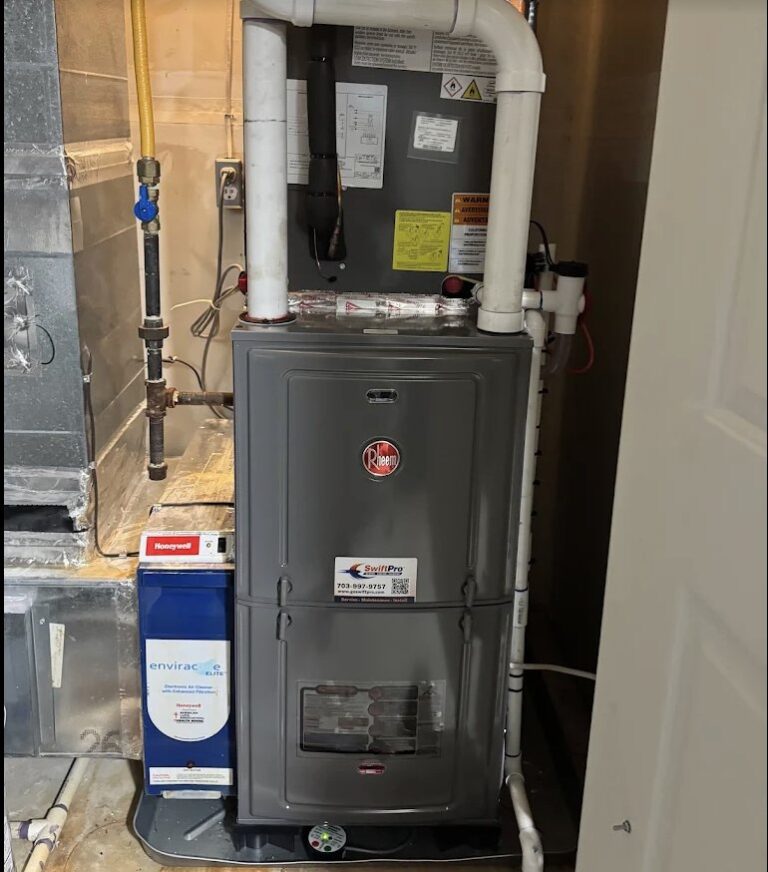
A trained technician performs several important tasks during an annual heating maintenance visit. These tasks check your system’s safety, clean vital parts, and make sure everything works at peak performance.
Complete inspection of your heating system
The technician starts by examining all major parts of your heating system. This includes checking the heat exchanger for cracks or damage, inspecting the blower motor, and looking at electrical connections throughout the unit.
The inspection also covers your ductwork and vents. Leaks in ducts can waste energy and make your home uncomfortable. The technician looks for gaps, disconnections, or damage that could reduce your system’s efficiency.
Your system’s overall condition gets documented during this process. The technician notes any parts that show wear and might need replacement soon. This helps you plan for future repairs before they become emergencies.
Cleaning and adjustment of furnace components
Dust and debris build up on furnace parts over time. The technician cleans your burners, which helps them work more efficiently and safely. Clean burners produce better heat and use less fuel.
Your blower assembly gets cleaned and adjusted too. A dirty blower works harder and uses more energy. The technician removes dust from the blower wheel and motor, then checks the belt tension and adjusts it if needed.
The flame sensor also needs regular cleaning. A dirty flame sensor can cause your furnace to shut down unexpectedly on cold nights. This small part plays a big role in keeping your home warm.
Thermostat calibration and performance checks
Your thermostat controls when your heating system turns on and off. The technician tests it to make sure it reads temperature correctly. A thermostat that’s off by even a few degrees can waste energy and money.
The technician checks that your thermostat communicates properly with your heating system. They test different settings and modes to confirm everything responds as expected.
If you have a programmable or smart thermostat, they verify your schedule settings work correctly. This ensures your heating runs efficiently based on when you’re home or away.
Safety inspections for gas and electrical connections
Safety checks are a critical part of annual maintenance. The technician inspects gas lines for leaks using special detection equipment. Even small gas leaks pose serious risks to your home and family.
Annual inspection helps reduce CO risk in Virginia homes. According to the Virginia Department of Health (VDH), homeowners should have home heating systems (including chimneys and flues) inspected each year for proper operation and leakage to help prevent carbon monoxide exposure.
Electrical connections get checked for loose wires, corrosion, or damage. Faulty electrical parts can cause fires or system failures. The technician tightens connections and replaces any damaged wiring.
Carbon monoxide testing is performed to protect your household. The technician checks for proper venting and measures carbon monoxide levels. Heating equipment is involved in 1 in 7 home fires, making these safety checks essential.
Airflow and efficiency evaluation
The technician measures airflow throughout your system. Low airflow makes your furnace work harder and can cause motors to overheat. They check for blocked filters, closed vents, or other restrictions.
Your system’s efficiency gets tested through performance measurements. The technician records temperature readings at different points in your system. These numbers show how well your furnace converts fuel into heat.
Static pressure testing reveals problems in your ductwork. High static pressure means your system struggles to move air through your home. The technician identifies these issues and recommends solutions to improve performance and lower your energy bills.
Why regular heating maintenance is crucial
Annual heating maintenance protects your home from costly repairs and keeps your family safe during winter. Regular HVAC tune-ups improve system performance, lower energy costs, and help your heating equipment last longer.
Prevent unexpected breakdowns during cold months
Your heating system works hardest when temperatures drop. Without preventive furnace care, small problems turn into major failures at the worst possible time.
A trained technician inspects worn components before they break. They check belts, motors, and electrical connections that can fail without warning. This catches issues while they’re still minor and inexpensive to fix.
Most heating emergencies happen on the coldest days of the year. These breakdowns force you to pay premium rates for emergency repairs. Annual maintenance reduces your chance of a breakdown by up to 95%.
Regular service appointments give technicians time to order parts if needed. This means repairs happen on your schedule, not during a crisis when replacement parts may be hard to find.
Maintain energy efficiency and reduce heating bills
A neglected heating system uses more energy to produce the same amount of heat. Dirty filters and components force your furnace to work harder than necessary.
An HVAC tune-up includes cleaning essential parts that affect efficiency. Technicians clean burners, check airflow, and replace filters. These simple steps can reduce your heating costs by 10-30% each winter.
Key efficiency improvements from maintenance:
- Clean filters improve airflow and reduce strain on the blower motor
- Calibrated thermostats prevent overcycling and wasted energy
- Lubricated moving parts require less energy to operate
- Sealed ductwork keeps heated air from escaping
Your system gradually loses efficiency each year without maintenance. A furnace that once heated your home perfectly may now run constantly but deliver less warmth.
Extend the lifespan of your furnace
Most furnaces last 15-20 years with proper care. Without annual maintenance, you might need replacement after just 10-12 years.
Preventive furnace care reduces wear on critical components. Clean systems don’t strain to move air or generate heat. This means less stress on motors, heat exchangers, and electronic controls.
Regular maintenance is the cheap part: our Comfort+ membership is $199 a year and includes a heating maintenance visit every fall and a cooling one every spring. A new furnace alone runs $4,285 to $14,040 installed. Annual service pays for itself many times over by delaying replacement costs.
From about $71 a month at 0% APR for 60 months, the whole price financed, on approved credit. How financing works
Technicians spot early signs of wear during routine visits. They can replace a $50 part before it damages a $500 component. This protection adds years to your system’s life.
Improve indoor comfort with consistent temperatures
A well-maintained heating system delivers steady, reliable warmth throughout your home. Neglected equipment struggles to maintain set temperatures.
Dirty or damaged components cause uneven heating. You might notice cold spots in certain rooms or temperature swings throughout the day. Annual tune-ups fix these comfort problems before they become noticeable.
Common comfort issues fixed by maintenance:
- Weak airflow from clogged filters or dirty blower wheels
- Short cycling from faulty sensors or thermostat problems
- Noisy operation from loose parts or lack of lubrication
- Delayed heating from ignition or pilot light issues
Your heating system should work quietly in the background. When you notice it running constantly or struggling to reach your desired temperature, maintenance is overdue.
Ensure safe operation and prevent hazards
Heating systems can create serious safety risks without proper maintenance. Gas furnaces produce carbon monoxide that must vent safely outside your home.
Cracked heat exchangers allow deadly gases to leak into your living space. Technicians inspect heat exchangers closely during annual visits. They also test carbon monoxide levels and check all venting connections.
Electrical problems in your heating system can cause fires. Loose wiring, damaged components, and overheating parts create fire hazards. An HVAC tune-up identifies these dangers before they threaten your home.
Gas leaks pose explosion and poisoning risks. Technicians check all gas connections and valves for proper operation. They verify that safety controls work correctly to shut off gas if problems occur.
Regular maintenance keeps your manufacturer’s warranty valid. Many warranties require proof of annual professional service. Without this documentation, you might pay out of pocket for repairs that should be covered.
Common signs your heating system needs maintenance
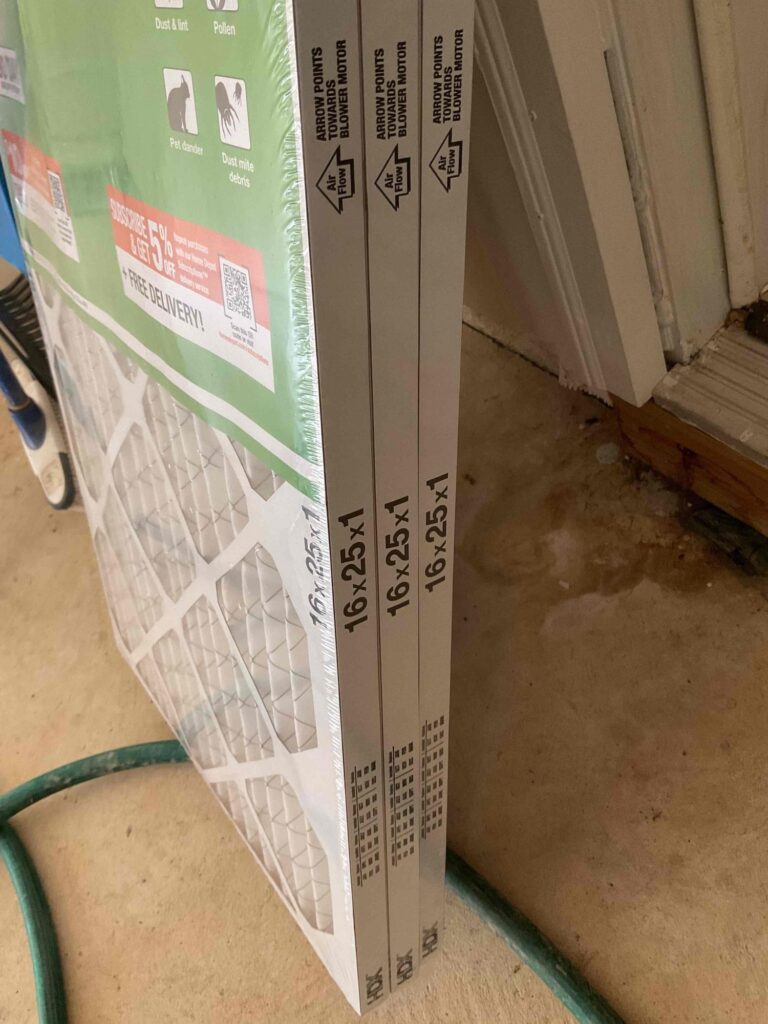
Your heating system will show clear warning signs when it needs professional attention. Catching these problems early can help you avoid expensive repairs and keep your home comfortable all winter.
Rising energy bills without increased usage
Your monthly heating costs should stay fairly consistent from year to year. If your energy bills suddenly jump by 15% or more without you changing your thermostat settings, your heating system is likely working harder than it should.
This drop in efficiency happens when parts get dirty or worn out. The furnace has to run longer to reach the same temperature, which uses more fuel or electricity. Clogged filters, dirty burners, or failing components force the system to consume extra energy.
Compare your current bills to the same months from last year. A steady increase over several months points to a maintenance problem. Getting your system serviced now can restore normal efficiency and lower your monthly costs.
Uneven heating or weak airflow in rooms
Some rooms feeling cold while others stay warm means your heating system isn’t distributing air properly. You might notice one bedroom stays chilly even when the living room feels comfortable.
Weak airflow from your vents signals several possible issues. Dirty air filters block air movement and should be changed every 1-3 months. Duct problems or blower motor issues can also reduce airflow throughout your home.
For basic HVAC upkeep that supports airflow and efficiency, the U.S. Department of Energy (DOE) recommends you clean or replace furnace filters once a month (or as recommended)
Your thermostat might show the right temperature, but certain areas never get warm. This usually means the system needs cleaning, the blower fan needs adjustment, or ductwork has leaks. A maintenance visit can identify exactly what’s causing the uneven heating.
Strange noises or odors coming from the furnace
Your heating system should run quietly with just a gentle hum. Loud banging, squealing, rattling, or grinding sounds mean something is wrong inside the unit.
Common warning sounds include:
- Banging or popping: delayed ignition or expanding metal ducts
- Squealing or screeching: worn belt or motor bearings that need lubrication
- Rattling: loose panels or components
- Grinding: motor or blower problems requiring immediate attention
Strange smells also signal maintenance needs. A burning dust smell when you first turn on the heat each season is normal. But persistent burning odors, musty smells, or a rotten egg smell (which indicates gas leaks) require immediate professional help. Never ignore unusual odors from your furnace.
Frequent short cycling or system shutdowns
Short cycling means your furnace turns on and off every few minutes instead of running in normal 10-15 minute cycles. This constant starting and stopping wastes energy and puts extra wear on the system.
Several maintenance issues cause short cycling. A dirty filter restricts airflow and makes the system overheat, triggering the safety shutoff. Thermostat problems, a failing flame sensor, or an oversized system can also cause this pattern.
Your heating system might also shut down completely and fail to restart. This happens when safety sensors detect problems like overheating or ignition issues. The system needs professional maintenance to fix these underlying problems and restore normal operation.
Heating system hasn’t been serviced in over a year
Annual maintenance is essential for safe and efficient heating system operation. If your last service visit was more than 12 months ago, you’re due for an inspection regardless of whether you notice problems.
Regular maintenance catches small issues before they become major repairs. Technicians check critical components like the heat exchanger, burner assembly, and electrical connections. They clean parts, test safety controls, and make adjustments to keep everything running properly.
Skipping annual service increases your risk of carbon monoxide leaks, system failures during cold weather, and higher energy costs. Most manufacturers require yearly professional maintenance to keep warranties valid. Schedule your service appointment before the coldest months arrive to avoid emergency repair calls.
Benefits of scheduling annual heating maintenance
Annual heating maintenance protects your home heating system and saves you money through better performance and fewer breakdowns. Regular furnace maintenance service helps your system work at its best when you need it most.
Early detection of minor issues before costly repairs
A trained technician can spot small problems during routine maintenance before they turn into expensive repairs. Worn belts, loose connections, and minor leaks are easy to fix during a scheduled visit. When left unchecked, these small issues can damage other parts of your system.
For example, cleaning a dirty flame sensor runs $95 to $180 with us. If ignored, it could cause your furnace to shut down repeatedly, leading to a $500 repair bill or more. Technicians check dozens of components during each visit, including the heat exchanger, blower motor, and gas connections.
Finding these issues early means you avoid emergency repair calls that often cost two to three times more than regular service. You also prevent the inconvenience of your heating system failing on the coldest day of the year.
Enhanced system reliability during winter
Your heating system works hardest during winter months when outside temperatures drop. Annual maintenance ensures all components are clean, adjusted, and ready to handle the increased workload. Technicians lubricate moving parts, tighten electrical connections, and test safety controls.
A well-maintained system starts reliably every time your thermostat calls for heat. The blower motor runs smoothly, the ignition system lights consistently, and airflow remains steady throughout your home. Maintenance visits also include cleaning or replacing air filters, which helps your system maintain proper airflow.
Systems that receive regular care experience fewer mid-season breakdowns. This reliability matters most when temperatures fall below freezing and your family depends on consistent heating.
Improved energy efficiency for cost savings
Clean and properly adjusted heating systems use less energy to heat your home. During maintenance, technicians clean burners, check gas pressure, and calibrate thermostats for accurate temperature control. These adjustments help your system run at peak efficiency.
Key efficiency improvements from annual maintenance:
- Clean burners provide better combustion
- Proper airflow reduces strain on the blower motor
- Calibrated thermostats prevent unnecessary cycling
- Clean filters improve air circulation
A furnace that runs efficiently can lower your heating bills by 10 to 20 percent compared to a neglected system. Over a heating season, this translates to real savings on your monthly utility costs. The service cost typically pays for itself through reduced energy consumption within one winter.
Compliance with manufacturer warranties
Most heating system manufacturers require annual professional maintenance to keep warranties valid. If your system breaks down and you haven’t maintained it according to warranty terms, you might pay for repairs that would otherwise be covered.
Your warranty paperwork lists specific maintenance requirements, usually including annual inspections by licensed technicians. During each visit, keep your service receipt and maintenance checklist. These documents prove you’ve met warranty requirements if you need to file a claim.
Some manufacturers void warranties entirely if you skip professional maintenance. Others may deny specific claims related to parts that failed due to lack of maintenance. Annual furnace maintenance service protects your investment and ensures you receive the coverage you paid for.
One less thing to worry about in January
Knowing your heating system has been inspected and approved by a professional eliminates worry about unexpected failures. You can trust that your system will keep your family comfortable and safe throughout winter.
Annual maintenance includes safety checks that protect against carbon monoxide leaks and gas line problems. Technicians test safety switches, inspect exhaust vents, and verify proper ventilation. These inspections give you confidence that your system operates safely.
You also gain predictability in your home maintenance budget. Instead of facing surprise repair bills, you plan for one annual service cost. If technicians find issues during maintenance, you have time to budget for repairs before they become emergencies.
How often should annual heating maintenance be performed?
Heating systems work best when serviced once per year before the cold season starts. The timing and frequency of maintenance depend on your system’s age and condition.
Ideally once per year before winter
You should schedule your yearly heating system check in late summer or early fall. This timing gives you the best chance to catch problems before you need your furnace.
September and October are the ideal months for maintenance. Technicians have more availability during these months since they’re not handling emergency calls. You’ll also avoid the higher costs that come with peak season service.
A single annual visit covers the essential inspections your heating system needs. During this service, a technician checks safety controls, cleans components, and tests efficiency. This preventive work stops most breakdowns before they happen.
If you wait until winter arrives, you risk dealing with a system failure when temperatures drop. You’ll also face longer wait times for service appointments when everyone else needs repairs too.
Older systems may require more frequent inspections
Heating systems over 10 years old need closer attention. These units have more wear on their parts and a higher chance of unexpected problems.
You might need to schedule service twice per year if your furnace is aging. A spring check-up in addition to your fall maintenance helps catch issues early. This extra visit gives technicians a chance to monitor parts that show signs of wear.
Gas furnaces in particular benefit from more frequent inspections as they age. Safety concerns increase with older equipment, making regular professional checks more important.
Watch for warning signs between scheduled visits. Strange noises, uneven heating, or higher energy bills mean you should call for service right away.
Importance of consistent yearly scheduling
Setting up maintenance at the same time each year keeps your heating system reliable. Consistent scheduling prevents you from forgetting this critical task.
Regular annual service reduces breakdown risks by up to 95%. Your system maintains its efficiency rating when serviced on schedule. This means lower energy bills and fewer unexpected repair costs.
A maintenance plan or reminder system helps you stay on track. Many HVAC companies offer annual contracts that automatically schedule your service. These plans often include priority service and discounts on repairs.
Skipping even one year of maintenance can lead to problems. Parts wear faster without cleaning and adjustment. Small issues turn into expensive repairs when left unchecked.
Why choose SwiftPro for annual heating maintenance
SwiftPro brings local expertise and family-owned care to every heating maintenance visit. Their licensed technicians use a thorough inspection process and work with all furnace types to keep your system safe and efficient.
Licensed and certified HVAC technicians
SwiftPro employs technicians who hold proper licenses and certifications required for heating system work. These credentials mean the technicians working on your furnace have completed training programs and passed industry exams.
Licensed technicians stay current with building codes and manufacturer specifications. They understand the technical requirements for different heating systems and can spot potential issues that untrained workers might miss.
When you schedule maintenance with SwiftPro, you get technicians who are qualified to work on gas furnaces, electric systems, and other heating equipment. Their training covers both older and newer models, so they know how to service whatever type of furnace you have in your home.
Comprehensive and transparent inspection process
The heating maintenance visit includes a full check of your heating system’s components. Technicians inspect the heat exchanger, burners, blower motor, and electrical connections. They also test safety controls and measure system performance.
You receive clear information about what the technician finds during the inspection. If your furnace needs repairs or adjustments, the technician explains the issue in plain language and discusses your options.
The inspection covers these key areas:
- Heat exchanger: checked for cracks or corrosion
- Burners: cleaned and adjusted for proper combustion
- Air filters: replaced or cleaned as needed
- Thermostat: tested for accurate temperature control
- Venting system: inspected for blockages or leaks
Prompt, reliable scheduling
Book the $67 Heating Check, or price a new furnace
Get it checked before the cold. The $67 Heating Check covers one furnace or heat pump, through December 31. If you also want the blower wheel pulled and cleaned with a full tune-up, that is $229.
What a new furnace costs in your house. The furnace price estimator asks a few questions about your home and shows the installed price for your size, from $4,285. From about $71 a month at 0% APR for 60 months, the whole price financed, on approved credit. You can book a free in-home measurement from the same page.
Book a visit online, or call (703) 997-9757. We answer around the clock.
SwiftPro offers convenient appointment times that work with your schedule. You can book maintenance visits without long wait times or delays.
The company respects your time by showing up when scheduled. Their technicians arrive during the agreed-upon service window and complete the work efficiently.
As a local business, SwiftPro serves Northern Virginia communities directly. This means faster response times and easier communication when you need to schedule or reschedule appointments.
Expertise with all furnace types and models
The technicians at SwiftPro work on gas and propane furnaces, electric heating systems, and heat pumps, but not oil furnaces. They have experience with major brands and know the specific maintenance needs of different models.
Whether your furnace is five years old or twenty years old, the technicians understand how to service it properly. They carry common replacement parts and know where to source parts for older or less common systems.
This broad expertise means you don’t need to find a specialist for your specific furnace type. One company handles all your heating maintenance needs regardless of what equipment you have.
Focus on energy efficiency, safety, and comfort
Annual maintenance at SwiftPro addresses three main goals for your heating system. First, technicians adjust your furnace to run efficiently, which helps lower your energy bills. Clean burners and proper airflow reduce wasted fuel.
Second, safety checks protect your household. Technicians test for carbon monoxide leaks, verify proper venting, and make sure all safety controls work correctly. Gas connections are inspected for leaks.
Third, the service ensures consistent comfort throughout your home. A well-maintained furnace heats more evenly and responds better to thermostat settings. You avoid cold spots and temperature swings that happen when systems aren’t maintained.
Ensure Long-Term Efficiency Through Professional Maintenance
Annual heating maintenance keeps your system running well and saves you money over time. You avoid expensive emergency repairs when you take care of problems before they become serious. Your heater works more efficiently, which means lower energy bills each month.
A well-maintained heating system lasts longer than one that gets ignored. You protect your investment when you schedule regular checkups. Most systems need professional service once a year to stay in good shape.
You breathe cleaner air when your heating system gets cleaned regularly. Dust and allergens build up in dirty systems and spread through your home. Regular maintenance removes these particles and improves indoor air quality.
Your heating system works hardest during cold weather when you need it most. Annual service makes sure it’s ready to handle the demand. You gain peace of mind knowing your system won’t fail on the coldest day of winter.
The cost of maintenance is small compared to replacing major parts or buying a new system. You make a smart financial choice when you invest in regular service. Your home stays comfortable, your family stays safe, and your heating system runs reliably year after year.Schedule your annual heating maintenance with SwiftPro in Northern Virginia to complete a full furnace safety and efficiency tune-up (combustion checks, CO testing, airflow verification, and thermostat calibration) before peak winter demand.
Watch our techs on real furnace jobs
Real jobs in Northern Virginia homes, filmed by our own crew. Tap one to watch.