

Your heating system works hard to keep your home warm during cold months. Regular heating system maintenance helps your system run efficiently, prevents unexpected breakdowns, and can lower your energy bills. Just like your car needs routine oil changes, your heating system needs regular checkups to stay in good shape.
Many homeowners skip heating maintenance until something goes wrong. This can lead to expensive repairs and uncomfortable cold nights when you need heat the most. A trained technician can spot small problems before they turn into big ones, saving you money and stress.
This guide will walk you through everything you need to know about heating system maintenance. You’ll learn what happens during a professional checkup, how to spot common issues, and simple steps you can take between service visits to keep your system running smoothly all year long.
Here’s what you need to know:
- Heating system maintenance: Ensure comfort and efficiency year-round
- What is heating system maintenance?
- Why regular heating system maintenance is important
- Common heating system issues detected during maintenance
- How professional heating system maintenance works
- Benefits of professional heating system maintenance
- Tips to keep your heating system running smoothly between professional visits
- Why choose SwiftPro for heating system maintenance
Let’s dive in!
Heating system maintenance: Ensure comfort and efficiency year-round
Your heating system needs regular attention to work properly throughout the year. When you maintain it correctly, you can avoid unexpected breakdowns and keep your energy bills under control.
Professional maintenance should happen at least once per year. A trained technician will inspect key parts like the heat exchanger, burner, and electrical connections. They will also clean components and test safety features to make sure everything works as it should.
Annual furnace inspections help reduce carbon monoxide (CO) risk from fuel-burning equipment, and the CDC specifically advises having your furnace inspected every year.
Essential maintenance tasks you can do yourself:
- Replace air filters every 1-3 months during heating season
- Keep vents and registers clear of furniture and debris
- Check your thermostat settings regularly
- Listen for unusual noises from your system
Filters should be cleaned or replaced about once a month (or as recommended) during heating season to support airflow and efficiency, per the U.S. Department of Energy (DOE).
Regular maintenance helps your heating system last longer. A well-maintained system can run for 15-20 years, while a neglected one might fail after just 8-10 years.
You will also see better energy efficiency with proper care. Clean filters and well-maintained parts mean your system uses less energy to heat your home. This translates to lower monthly utility costs.
Safety is another important reason to maintain your heating system. Annual inspections catch potential problems before they become dangerous. Your technician will check for issues like gas leaks or carbon monoxide risks.
Schedule your maintenance before the cold weather arrives. This ensures your system is ready when you need it most. You won’t be stuck waiting for repairs during a winter cold snap when service calls are at their peak.
What is heating system maintenance?
Heating system maintenance involves regular inspections, cleaning, and tune-ups that keep your heating equipment running safely and efficiently. This scheduled care helps you avoid unexpected breakdowns while lowering your energy bills and extending your system’s lifespan.
Definition and purpose of preventive heating care
Heating system maintenance is the scheduled inspection and servicing of your heating equipment to ensure it operates at peak performance. This preventive approach involves checking critical components, cleaning parts that collect debris, and making minor adjustments before small issues become expensive repairs.
The main purpose is to catch problems early. When a technician examines your system regularly, they can spot worn parts, detect gas leaks, or identify airflow issues before your heater fails on the coldest day of winter.
Preventive care also maintains your manufacturer’s warranty. Most heating equipment warranties require annual professional maintenance to remain valid. Without documented service records, you might pay out of pocket for repairs that should be covered.
Regular maintenance keeps your home safe. Heating systems that burn fuel can develop cracks in heat exchangers or blocked vents that lead to carbon monoxide leaks. Annual inspections identify these hazards before they threaten your family’s health.
Key components checked during maintenance
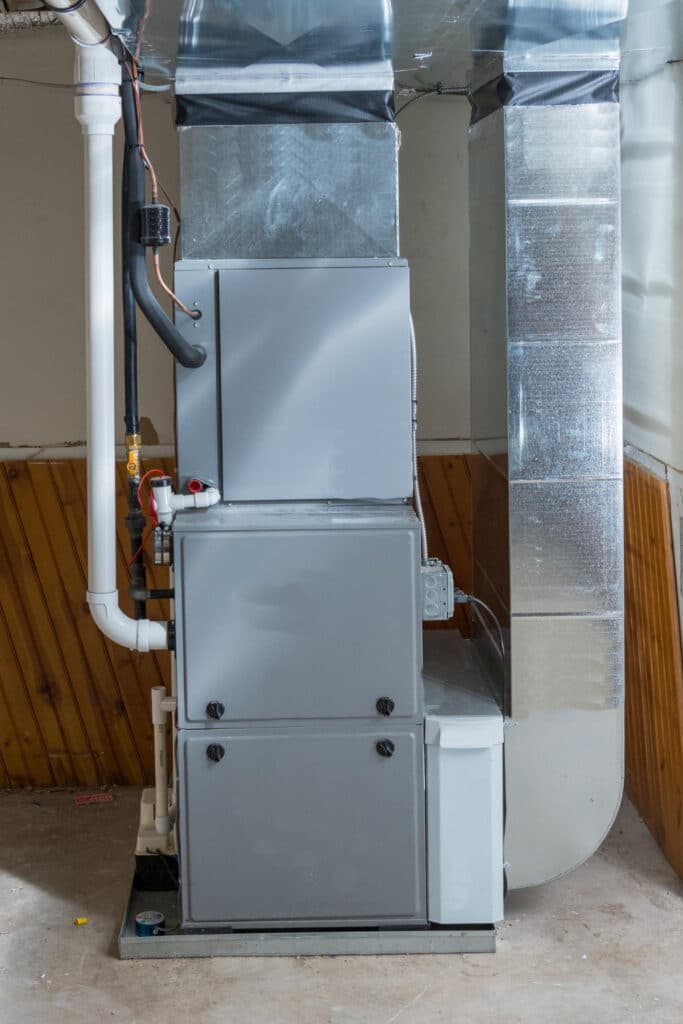
During a residential heating inspection, technicians examine several critical parts of your system. The heat exchanger gets checked for cracks or corrosion that could allow dangerous gases into your home. This component transfers heat from combustion to the air circulating through your house.
Burners and igniters receive thorough cleaning and testing. Dirty burners create uneven flames that waste fuel and produce excess carbon monoxide. Your technician will clean these parts and ensure proper ignition.
Electrical connections and controls are tested for safe operation. Loose wiring can cause system failures or create fire hazards. The thermostat gets calibrated to maintain accurate temperature control.
Your air filter gets inspected and replaced if needed. Clogged filters force your system to work harder and reduce indoor air quality.
| Component | What Gets Checked |
| Heat exchanger | Cracks, corrosion, proper operation |
| Burners | Cleanliness, flame pattern, combustion |
| Blower motor | Lubrication, belt tension, airflow |
| Thermostat | Calibration, wiring, battery |
| Vents and flues | Blockages, proper ventilation |
The blower motor and fan assembly get lubricated and adjusted. These parts move warm air throughout your home, and proper maintenance prevents motor burnout.
Differences between residential and commercial maintenance
Commercial heating system care operates on a larger scale than home services. Commercial systems typically require more frequent inspections because they run longer hours and serve more people. Many businesses schedule quarterly maintenance instead of annual visits.
Commercial equipment uses heavier-duty components designed for constant operation. Rooftop units, boiler systems, and multi-zone setups need specialized knowledge and tools that go beyond standard residential service.
The cost structure differs significantly. Commercial maintenance contracts cover multiple units and often include emergency service provisions. Residential plans focus on one or two systems with standard business-hour coverage.
Safety regulations are stricter for commercial buildings. Your commercial system must meet codes for public occupancy, which means more documentation and compliance checks. Residential heating inspection focuses mainly on homeowner safety and basic building codes.
Commercial downtime affects business operations and revenue. This urgency requires faster response times and backup plans that residential services don’t typically provide.
Importance of seasonal inspections
Fall inspections prepare your heating system before winter demand begins. Scheduling service in September or October ensures your heater works properly before you need it most. Technicians are less busy during this time, giving you more flexible appointment options.
Catching problems before heating season prevents emergency breakdowns. When your system fails in January, you’ll pay premium rates for urgent repairs and might wait days for service during peak demand.
Seasonal maintenance maximizes efficiency when you need it. A tuned-up system uses less energy during the coldest months when your heater runs most often. This timing delivers the biggest return on your maintenance investment.
Pre-season service also extends your equipment’s life. Systems that start winter in good condition experience less wear and tear throughout the heating season.
Energy and cost-saving benefits
Well-maintained heating systems use 10-15% less energy than neglected equipment. Clean burners, proper airflow, and calibrated controls help your system reach target temperatures using less fuel or electricity. These efficiency gains show up as lower utility bills every month.
You’ll spend less on repairs over your system’s lifetime. Regular maintenance costs $100-200 annually, while emergency repairs often exceed $500. Preventing major breakdowns saves you money and hassle.
Your heating system will last longer with consistent care. Most furnaces and heat pumps operate efficiently for 15-20 years with proper maintenance. Skipping service can cut that lifespan by 5-7 years, forcing you to replace expensive equipment sooner.
Maintenance also improves your home’s comfort. Systems running at peak performance heat your space more evenly and maintain consistent temperatures. You won’t deal with cold spots or constant thermostat adjustments.
Why regular heating system maintenance is important
Taking care of your heating system through regular maintenance helps you avoid sudden breakdowns, reduces your energy bills, and keeps your home safe. A well-maintained system can last years longer than one that’s neglected.
Reduces risk of unexpected failures
Regular maintenance catches small problems before they turn into big ones. When a technician checks your heating system each year, they inspect parts that wear out over time, like belts, filters, and electrical connections.
A heating system that gets annual service is much less likely to stop working on a cold winter night. Technicians can spot warning signs like unusual sounds, weak airflow, or parts that show early wear. They can replace these parts during a scheduled visit instead of during an emergency.
Most heating systems fail because of issues that build up slowly. Dirt accumulation, loose connections, and worn parts don’t cause problems right away. But over months and years, these small issues add up until something breaks.
Improves energy efficiency and lowers bills
A clean, well-tuned heating system uses less energy to heat your home. Dirty filters make your system work harder to push air through your vents. Dust on internal parts reduces heat transfer, which means the system runs longer to reach your target temperature.
HVAC preventive maintenance includes cleaning key components and adjusting settings for best performance. A technician will clean or replace your air filter, clean the blower, and check that all parts move freely. These simple tasks can reduce your energy use by 5-15%.
You’ll see the savings on your monthly utility bills. A system that runs efficiently costs less to operate each month. Over the 12-15 year life of a heating system, the energy savings often pay for the maintenance visits several times over.
Enhances indoor air quality
Your heating system affects the air you breathe every day. As air moves through your system, it picks up dust, pollen, and other particles. A dirty system with clogged filters spreads these particles throughout your home.
Regular maintenance keeps your system clean, which means cleaner air in your living spaces. Technicians replace filters and clean components where dust builds up. This is especially important if anyone in your home has allergies or breathing problems.
Maintenance also prevents biological growth inside your system. Moisture can collect in certain areas, creating conditions where biological growth thrives. A technician checks these areas and ensures proper drainage to keep your system dry and clean.
Prevents costly repairs or replacements
Small repairs during maintenance cost much less than major repairs after a breakdown. Replacing a worn belt during a tune-up might cost $50-100. Waiting until it breaks could damage other parts, leading to repairs that cost $500 or more.
Regular maintenance helps your heating system reach its full expected lifespan. Most systems are designed to last 12-15 years with proper care. Without maintenance, many systems fail after 8-10 years.
Common problems prevented by maintenance:
- Cracked heat exchangers from overheating
- Compressor failure from dirty coils
- Blower motor burnout from restricted airflow
- Thermostat problems from dust buildup
- Ignition system failures from dirt or corrosion
The cost of replacing a heating system ranges from $3,000 to $10,000 or more. Spending $100-200 per year on maintenance protects this investment.
Ensures safe operation
Heating systems that burn fuel produce carbon monoxide, a dangerous gas you can’t see or smell. A cracked heat exchanger or blocked vent can allow this gas into your home. Annual maintenance includes safety checks that protect your family from carbon monoxide poisoning.
Technicians also check for gas leaks, proper ventilation, and correct combustion. They test safety switches that shut down your system if something goes wrong. These checks ensure your system operates safely all winter long.
Electrical problems also pose risks. Loose wiring can overheat and start fires. Maintenance visits include inspecting electrical connections and ensuring all components are grounded properly. These safety checks give you peace of mind that your heating system won’t put your home or family at risk.
Common heating system issues detected during maintenance

Regular maintenance visits reveal specific problems that can reduce your heating system’s performance or cause it to fail completely. Technicians look for issues like restricted airflow, faulty controls, damaged components, and ignition problems that homeowners often miss.
Dirty filters and clogged vents
Your air filter traps dust, pet hair, and debris before it enters your heating system. When the filter gets too dirty, it blocks airflow and forces your system to work harder than it should.
A clogged filter can cause several problems. Your energy bills will go up because the system uses more power to push air through the blockage. Your home might not heat evenly, with some rooms staying cold while others get too warm. The system can overheat and shut down repeatedly to protect itself from damage.
Vents can also get blocked by furniture, curtains, or dust buildup. Check your supply and return vents to make sure nothing is covering them. During maintenance, technicians inspect all vents and replace or clean your filter based on its condition.
Most filters need replacement every 1-3 months depending on your usage and home environment. Homes with pets or high dust levels need more frequent changes.
Malfunctioning thermostats
Your thermostat controls when your heating system turns on and off. When it stops working correctly, your entire home comfort suffers even if the heating system itself is fine.
Common thermostat problems include incorrect temperature readings, failure to communicate with your heating system, dead batteries, and faulty wiring. You might notice your home feels colder or warmer than the temperature shown on the display. The system might run constantly without reaching the set temperature, or it might not turn on at all.
During maintenance, technicians test your thermostat’s accuracy using specialized tools. They check the wiring connections, replace batteries if needed, and verify the thermostat’s location isn’t causing false readings. Thermostats placed near windows, doors, or heat sources can give inaccurate temperature readings that affect your comfort.
A malfunctioning thermostat wastes energy and money while leaving you uncomfortable. Getting it checked during regular maintenance prevents these issues.
Leaky or blocked ductwork
Your ductwork carries heated air from your furnace or heat pump to every room in your home. Leaks and blockages in these ducts waste energy and reduce comfort throughout your house.
Leaky ducts allow heated air to escape into attics, crawl spaces, or wall cavities instead of reaching your living spaces. This can waste 20-30% of the air your system produces. You’ll pay to heat areas you don’t use while your rooms stay cold.
Blocked ducts restrict airflow just like dirty filters. Dust buildup, collapsed sections, or objects that fell into vents during construction can all block your ducts. You might notice some rooms never get warm or certain vents barely blow any air.
Technicians inspect accessible ductwork during maintenance visits. They look for disconnected joints, holes, poor insulation, and blockages. They also check that dampers are set correctly for proper airflow distribution. Sealing leaky ducts and removing blockages can significantly improve your system’s efficiency and your comfort.
Worn belts or motors
Furnaces and some heat pumps use belts and motors to move air through your system. These mechanical parts wear out over time from constant use and need inspection during maintenance.
Belts can crack, fray, or become loose. A worn belt makes squealing or screeching noises when your system runs. If the belt breaks completely, your blower stops working and no air moves through your ducts. Technicians check belt tension and condition, replacing them before they fail.
Blower motors also wear out gradually. Bearings inside the motor need lubrication to run smoothly. Without it, motors work harder, overheat, and eventually burn out. You might hear grinding or humming sounds from a failing motor.
During maintenance, technicians lubricate motor bearings and check for signs of overheating or electrical problems. They test the motor’s performance to catch issues early. Replacing a belt costs much less than replacing a burned-out motor, which is why regular maintenance saves you money.
Pilot light or ignition issues
Gas furnaces and boilers need a working ignition system to light the burners and create heat. Modern systems use electronic ignition while older units have pilot lights that burn constantly.
Pilot lights can blow out from drafts or fail due to a faulty thermocouple. If your pilot won’t stay lit, your system can’t heat your home. Electronic ignition systems can fail due to electrical problems, dirty sensors, or worn components.
During maintenance, technicians clean the ignition assembly and flame sensor. They test the system’s ability to light reliably and adjust the pilot flame if needed. A dirty flame sensor is one of the most common reasons furnaces turn on briefly then shut off without heating.
Ignition problems require professional attention because they involve gas lines and combustion. Never try to repair these systems yourself. Technicians also check for proper flame color and combustion, which indicates safe and efficient operation.
How professional heating system maintenance works
Professional technicians follow a detailed process to inspect, clean, and optimize your heating system. This maintenance typically takes one to two hours and includes checking safety controls, cleaning components, testing performance, and making necessary adjustments.
Initial system inspection
Annual heating maintenance can include removing soot from the heat exchanger surface, inspecting the heat exchanger for cracks, and confirming exhaust vents are intact and unblocked to reduce combustion-pollutant risks, according to University of Nebraska–Lincoln Extension.
The technician starts by examining your heating system’s overall condition and checking for visible problems. They look at the age of your equipment, note any unusual sounds or smells, and review your system’s maintenance history.
For furnaces, they inspect the heat exchanger for cracks or corrosion that could leak carbon monoxide. For boiler maintenance, they check water pressure levels, examine pipes for leaks, and look at the expansion tank condition.
The technician also tests your thermostat settings to see if it matches the actual room temperature. They check air filters and note how dirty they are since clogged filters reduce efficiency by up to 15%.
This initial walkthrough helps them spot potential safety hazards and plan which repairs or adjustments your system needs. They document everything they find to share with you later.
Cleaning and lubrication of key components
The technician removes and cleans the blower assembly, which moves heated air throughout your home. Dust and debris on blower blades make your system work harder and waste energy.
They clean the burner assembly to ensure proper fuel combustion. Dirty burners create soot buildup and reduce heating efficiency. For boiler maintenance, they flush sediment from the tank and clean the heat exchanger surfaces.
Moving parts like motors and bearings get lubricated with proper oil to reduce friction. This prevents premature wear and keeps your system running quietly.
The flame sensor gets cleaned since buildup causes false readings that shut down your system. They also clean the condensate drain line to prevent water backup and potential damage.
Checking electrical connections and safety controls
Loose electrical connections create resistance that wastes energy and poses fire risks. The technician tightens all wire connections and measures voltage at key points to verify proper electrical flow.
They test the limit switch, which shuts off your system if it overheats. A faulty limit switch could allow dangerous temperature levels or cause your system to cycle on and off repeatedly.
The pressure switch gets tested to ensure it detects proper airflow before allowing the burners to ignite. They also check the flame rollout switch, which protects against flames escaping the combustion chamber.
For boiler maintenance, they verify the pressure relief valve opens at the correct pressure and test the low-water cutoff to prevent the boiler from running dry. All gas connections get checked for leaks using special detection tools.
Testing airflow and thermostat operation
The technician measures airflow at multiple vents throughout your home using special tools. Weak airflow indicates blocked ducts, dirty filters, or blower problems that need fixing.
They verify your thermostat accurately reads room temperature and sends proper signals to your heating system. Old or poorly calibrated thermostats waste energy by overheating or underheating your home.
The technician cycles your system through its heating modes to check startup and shutdown sequences. They time how long it takes to reach temperature and listen for unusual noises during operation.
Ductwork gets inspected for leaks, especially at connections and seams. Leaky ducts lose up to 30% of heated air before it reaches your rooms.
Final system performance evaluation
The technician measures your system’s temperature rise, which is the difference between return air and supply air temperatures. This number must fall within manufacturer specifications for efficient operation.
They test carbon monoxide levels near your system and throughout your home to verify safe operation. Any detectable CO means immediate repairs are needed.
Gas pressure gets measured and adjusted if needed to ensure optimal burner performance. They also record amp draw on motors to identify components that might fail soon.
You receive a detailed report showing what was done, any problems found, and recommendations for repairs or replacements. This documentation helps you plan future maintenance and budget for upcoming needs.
Benefits of professional heating system maintenance
Professional heating system maintenance keeps your equipment running efficiently and prevents unexpected breakdowns. Expert technicians can spot problems early, lower your energy bills, and extend the life of your heating system.
Reliable heating throughout the season
Professional furnace maintenance services ensure your heating system works when you need it most. Trained technicians inspect all components before cold weather arrives and identify worn parts that could fail during winter.
Regular service appointments catch small issues before they turn into major breakdowns. A technician checks electrical connections, tests safety controls, and verifies proper airflow through your system.
Key reliability checks include:
- Thermostat calibration and testing
- Blower motor inspection and cleaning
- Heat exchanger examination
- Ignition system verification
- Gas pressure measurements
You avoid the stress and expense of emergency repairs when your system stops working on the coldest night of the year. Professional maintenance gives you confidence that your heating will work consistently throughout the season.
Improved energy efficiency
Expert maintenance optimizes how your heating system uses energy. Technicians clean dirty components that force your furnace to work harder and consume more fuel.
A well-maintained system operates at peak performance and uses less energy to heat your home. This directly reduces your monthly utility bills. Dirty filters, clogged burners, and worn belts all decrease efficiency and waste money.
Professionals adjust your system for optimal combustion and airflow. They lubricate moving parts to reduce friction and calibrate controls for better performance. These adjustments can lower your energy consumption by 10-15% compared to a neglected system.
Reduced repair costs
Professional maintenance costs less than emergency repairs. Technicians find and fix minor problems during routine service before they damage other components.
Small repairs during scheduled maintenance are affordable. Emergency breakdowns often involve multiple failed parts and higher labor costs for after-hours service. A worn belt replaced during maintenance costs much less than repairing the damage caused when that belt breaks and affects the blower motor.
Cost-saving advantages:
- Early problem detection prevents cascading failures
- Planned repairs cost less than emergency calls
- Fewer unexpected breakdowns mean better budget control
- Maintained systems need fewer major repairs
Regular service protects your investment and keeps repair expenses predictable. You pay for affordable maintenance instead of expensive emergency fixes.
Longer system lifespan
Professional care extends how long your heating system lasts. Most furnaces last 15-20 years with proper maintenance but fail much sooner when neglected.
Technicians keep all parts clean and properly adjusted. This reduces wear and tear on components. Clean burners prevent overheating. Lubricated motors run smoothly without excess friction. Proper airflow prevents stress on the heat exchanger.
Each maintenance visit removes dirt and debris that cause premature failure. Your system experiences less strain and operates within safe parameters. This protection adds years to your equipment’s useful life and delays the need for costly replacement.
Peace of mind and safety assurance
Expert maintenance ensures your heating system operates safely. Technicians test for carbon monoxide leaks, gas leaks, and other hazards that put your family at risk.
Professional inspections verify that safety controls work correctly. They check flame sensors, limit switches, and pressure switches. These components prevent dangerous conditions like overheating or gas buildup.
You get documented proof that your system meets safety standards. Technicians identify potential hazards and correct them immediately. This protection is especially important for gas furnaces where safety issues can be life-threatening.
Regular professional service also maintains your warranty coverage. Most manufacturers require documented maintenance to honor warranty claims. You protect both your family’s safety and your financial investment.
Homeowner Heating Maintenance: Best Practices Between Service Visits
Simple maintenance tasks between professional inspections help your heating system work better and last longer. These actions take little time but make a big difference in keeping your home warm and your energy bills lower.
Replace filters regularly
Your heating system’s air filter traps dust, pet hair, and other particles that flow through your home. A dirty filter forces your system to work harder because air can’t move through easily.
Check your filter every month during heating season. Most filters need replacement every 1-3 months, but homes with pets or allergies may need monthly changes. You can find the filter behind a vent grate or inside the furnace cabinet.
Turn off your system before changing the filter. Look at the arrow on the filter frame to make sure it points toward the furnace. A clean filter improves air quality and helps your system heat your home using less energy.
Keep vents and registers clear
Blocked vents stop warm air from reaching rooms in your home. This makes your heating system run longer to reach the temperature you set on your thermostat.
Move furniture, curtains, and storage boxes at least six inches away from vents and registers. Vacuum the vent covers every few weeks to remove dust buildup. Make sure all vents stay open, even in rooms you don’t use often.
Closing vents in unused rooms doesn’t save energy like many people think. Your system is designed to heat your entire home, and closed vents create pressure imbalances that reduce efficiency.
Monitor unusual noises or performance drops
Your heating system makes some normal sounds when it runs. But new or loud noises often mean something needs attention.
Listen for rattling, grinding, squealing, or banging sounds. Notice if some rooms feel colder than others or if your system runs constantly without reaching the set temperature. Watch for yellow pilot light flames instead of blue, strange smells, or sudden increases in your energy bills.
Write down what you notice and when it happens. These details help a technician fix problems faster. Catching issues early prevents small problems from becoming expensive repairs.
Schedule seasonal check-ups
Professional maintenance before heating season starts keeps your system reliable when you need it most. Fall is the best time to schedule this service.
A technician will inspect your system’s components, clean internal parts, test safety controls, and check for wear. They can spot problems before they cause breakdowns on cold nights. Many heating companies offer maintenance plans that include yearly visits, priority service, and repair discounts.
Mark your calendar each September to call for service. Regular professional care extends your system’s life by several years and maintains your manufacturer’s warranty requirements.
Maintain consistent thermostat settings
Big temperature swings make your heating system work harder than steady settings. Your system uses less energy maintaining a set temperature than constantly heating and cooling.
Set your thermostat to a comfortable temperature and leave it there. If you want to save energy, lower it by 7-10 degrees for eight hours when you’re at work or sleeping. A programmable or smart thermostat can do this automatically.
Avoid turning your heat way up to warm your home faster. Your system heats at the same speed no matter what temperature you choose. Setting it higher only makes your system run longer and waste energy.
Why choose SwiftPro for heating system maintenance
SwiftPro brings professional expertise, thorough service, and customer-focused solutions to every heating maintenance appointment. Their team prioritizes safety, efficiency, and long-term system performance while providing clear communication and transparent pricing throughout the process.
Licensed and experienced HVAC technicians
SwiftPro employs fully licensed HVAC technicians who have completed extensive training in heating system maintenance and repair. These professionals understand the technical requirements of different furnace types, heat pumps, and boiler systems. They stay current with manufacturer specifications and safety protocols.
When a trained technician services your heating system, they can spot potential problems before they become expensive repairs. Their experience allows them to work efficiently while maintaining high standards for quality. You get accurate diagnostics and reliable solutions backed by proper licensing and insurance protection.
The technicians at SwiftPro treat your home with respect during every service call. They use protective equipment to keep your floors and work areas clean. Their professional approach means you receive consistent, dependable service every time.
Comprehensive inspections for homes and businesses
Each maintenance visit includes a complete evaluation of your heating system’s major components. Technicians check the heat exchanger, burners, blower motor, electrical connections, and thermostat operation. They test safety controls and measure system performance to ensure everything works correctly.
The inspection process covers both visible parts and hidden components that many homeowners overlook. Your technician examines the flue pipe, checks for gas leaks, and verifies proper ventilation. They measure airflow, test the ignition system, and inspect the filter and ductwork connections.
Key inspection points include:
- Combustion analysis and efficiency testing
- Carbon monoxide level verification
- Electrical system evaluation
- Thermostat calibration
- Air filter condition and replacement
SwiftPro provides the same thorough service for residential and commercial properties. Business owners benefit from scheduled maintenance that minimizes downtime and keeps employees comfortable.
Transparent pricing and service reports
SwiftPro provides clear pricing before any work begins. You receive a detailed explanation of what the maintenance service includes and what it costs. There are no hidden fees or surprise charges added to your bill.
After each maintenance visit, you get a written service report that documents the technician’s findings. This report shows which components were inspected, cleaned, and adjusted. It identifies any parts that show wear and may need attention in the future.
The service report helps you make informed decisions about repairs or replacements. You can see the actual condition of your heating system rather than relying on vague descriptions. This transparency builds trust and helps you plan for future maintenance expenses.
Preventive care tailored to your system type
Different heating systems require specific maintenance procedures. SwiftPro technicians adjust their service approach based on whether you have a gas furnace, electric heat pump, oil burner, or other heating equipment.
Gas furnaces need combustion testing and burner cleaning. Heat pumps require refrigerant checks and outdoor coil maintenance. Boiler systems need water quality testing and pressure verification. Your technician knows exactly what your system needs to operate safely and efficiently.
This tailored approach prevents generic maintenance that misses critical system-specific requirements. You get service designed for your exact equipment model and fuel type. The technicians follow manufacturer guidelines while applying their practical experience to deliver optimal results.
Commitment to safety, comfort, and efficiency
Safety checks form the foundation of every SwiftPro maintenance visit. Technicians test for carbon monoxide leaks, verify proper venting, and ensure all safety controls function correctly. They check gas connections for leaks and examine electrical components for hazards.
Your comfort depends on a heating system that maintains consistent temperatures and responds properly to thermostat settings. SwiftPro technicians calibrate controls, verify airflow, and test system cycling to ensure reliable operation throughout winter.
Efficiency improvements during maintenance help lower your heating bills. Clean burners, proper airflow, and calibrated controls reduce fuel waste. A well-maintained system uses less energy to heat your home effectively. Regular maintenance also extends equipment life, protecting your investment for years to come.
Homeowner Heating Maintenance: Best Practices Between Service Visits
Taking care of your heating system through regular maintenance protects your investment and keeps your home comfortable. Simple tasks like changing filters and scheduling professional inspections help your system run better and last longer.
When you skip maintenance, small problems turn into bigger ones. A dirty filter or worn part might seem minor, but these issues can lead to expensive repairs or early system replacement.
Professional maintenance gives you peace of mind. Trained technicians spot problems before they become serious. They clean components, check for wear, and make sure everything works safely.
The money you spend on maintenance saves you more in the long run. You avoid costly emergency repairs and your system uses less energy. Plus, a well-maintained heating system can last years longer than one that gets ignored.
Make maintenance a priority. Set up a regular service schedule and stick to it. Your heating system works hard to keep you warm, so give it the care it needs to do its job well.
Schedule a residential heating inspection with SwiftPro now so a technician can complete HVAC preventive maintenance, confirm safe operation, and keep your system reliable before peak cold-weather demand.