

HVAC thermostat repair fixes issues like bad wiring, wrong temperature readings, broken controls, and system errors to restore comfort and lower your energy bills.
When your home feels too hot or too cold no matter what you do with the thermostat, you might have a broken or failing unit. A faulty thermostat can make your heating and cooling system run poorly, waste energy, and leave you uncomfortable in your own home.
Most thermostat problems show clear warning signs before they get worse. Your system might not turn on when it should, the temperature might not match what the thermostat says, or the screen might go blank. Some of these issues are simple fixes you can do yourself, like changing batteries or checking the circuit breaker.
Other problems need a trained technician to diagnose and repair. Professional HVAC thermostat repair can solve complex wiring problems, calibration errors, and compatibility issues that aren’t easy to spot.
Most thermostat trouble comes down to one of three things: a failed sensor, a wiring fault, or a dead control board.
Here’s what you need to know:
- What is HVAC thermostat repair
- Signs your thermostat needs repair
- How HVAC thermostat repair works
- Common thermostat problems and solutions
- Benefits of professional HVAC thermostat repair
- Tips to extend your thermostat’s life
- Why choose SwiftPro for HVAC thermostat repair
Keep reading! Learning about common thermostat problems and when to call for help will save you time, money, and frustration.
What is HVAC thermostat repair
HVAC thermostat repair involves diagnosing and fixing problems with the device that controls your heating and cooling system. A working thermostat reads your home’s temperature, compares it to your desired setting, and tells your HVAC system when to turn on or off.
Definition and importance of a functioning thermostat
Your thermostat acts as the control center for your entire HVAC system. It measures the current temperature in your home and sends signals to your heating or cooling equipment to maintain your desired comfort level.
Setting your thermostat to about 68°F in winter when you’re home and about 78°F in summer when you’re home is a common efficiency baseline recommended by the U.S. Department of Energy (DOE), and it helps reduce unnecessary HVAC runtime when temperature control is accurate.
When your thermostat breaks down, the connection between you and your HVAC system fails. Your heating might run constantly, your air conditioning might not turn on at all, or your system could cycle on and off at the wrong times.
A malfunctioning thermostat compromises your home’s comfort and can waste energy. You might experience rooms that are too hot or too cold, even when your HVAC equipment is working properly.
Common types: digital, programmable, and smart thermostats
Digital thermostats display temperature readings on an electronic screen. They offer more accurate temperature control than older mechanical models and are easier to read.
Programmable thermostats let you set different temperatures for different times of day. You can program them to lower heating at night or reduce cooling when you’re at work, which helps save energy without manual adjustments.
Smart thermostats connect to your home’s Wi-Fi network. They learn your temperature preferences over time, can be controlled from your phone, and provide energy usage reports. Some models adjust automatically based on whether you’re home or away.
ENERGY STAR reports that certified smart thermostats can deliver real-world heating and cooling savings by optimizing schedules and reducing runtime, according to the U.S. EPA’s ENERGY STAR program, benefits you may lose when a thermostat is miswired, miscalibrated, or frequently offline.
Each type requires different repair approaches. Digital models might need battery replacement or screen repairs. Smart thermostats can have software issues or connectivity problems.
Residential vs commercial thermostat systems
Residential thermostats typically control a single HVAC unit or zone within a home. They’re designed for straightforward temperature control in spaces up to a few thousand square feet.
Commercial thermostat systems manage multiple zones across larger buildings. They often connect to building automation systems and control several HVAC units simultaneously.
Commercial systems are more complex and require specialized knowledge to repair. They may include multiple sensors throughout the building and advanced scheduling features for different areas.
Your home thermostat usually runs on batteries or low-voltage wiring. Commercial systems often integrate with central control panels and may require professional-grade diagnostic tools for repairs.
How thermostats communicate with HVAC units
Your thermostat connects to your HVAC system through low-voltage wiring. When the temperature drops below your set point, the thermostat closes an electrical circuit that signals your heating system to start.
Most thermostats use color-coded wires for different functions. The red wire typically provides power, the white wire controls heating, the yellow wire manages cooling, and the green wire operates the fan.
Smart thermostats communicate wirelessly with some HVAC components. They still need wired connections for power and basic controls, but they can send additional data through your home network.
When this communication breaks down, your HVAC system doesn’t receive proper instructions. Repair may involve checking wire connections, testing voltage levels, or recalibrating the thermostat’s sensors.
Role in energy efficiency and comfort
A properly functioning thermostat directly affects your energy bills. When it accurately reads temperature and responds at the right times, your HVAC system runs only when needed.
Faulty thermostats cause your heating or cooling to run too long or cycle too frequently. This wastes energy and increases wear on your HVAC equipment. You’ll see higher utility bills and potentially face more frequent repairs to your heating and cooling systems.
Your thermostat maintains consistent temperatures throughout your home. When it works correctly, you won’t experience hot or cold spots or sudden temperature swings.
Modern programmable and smart thermostats can reduce energy use by 10-15% compared to manual thermostats. They achieve this by automatically adjusting temperatures based on your schedule and preferences, ensuring you’re not heating or cooling an empty home.
Signs your thermostat needs repair
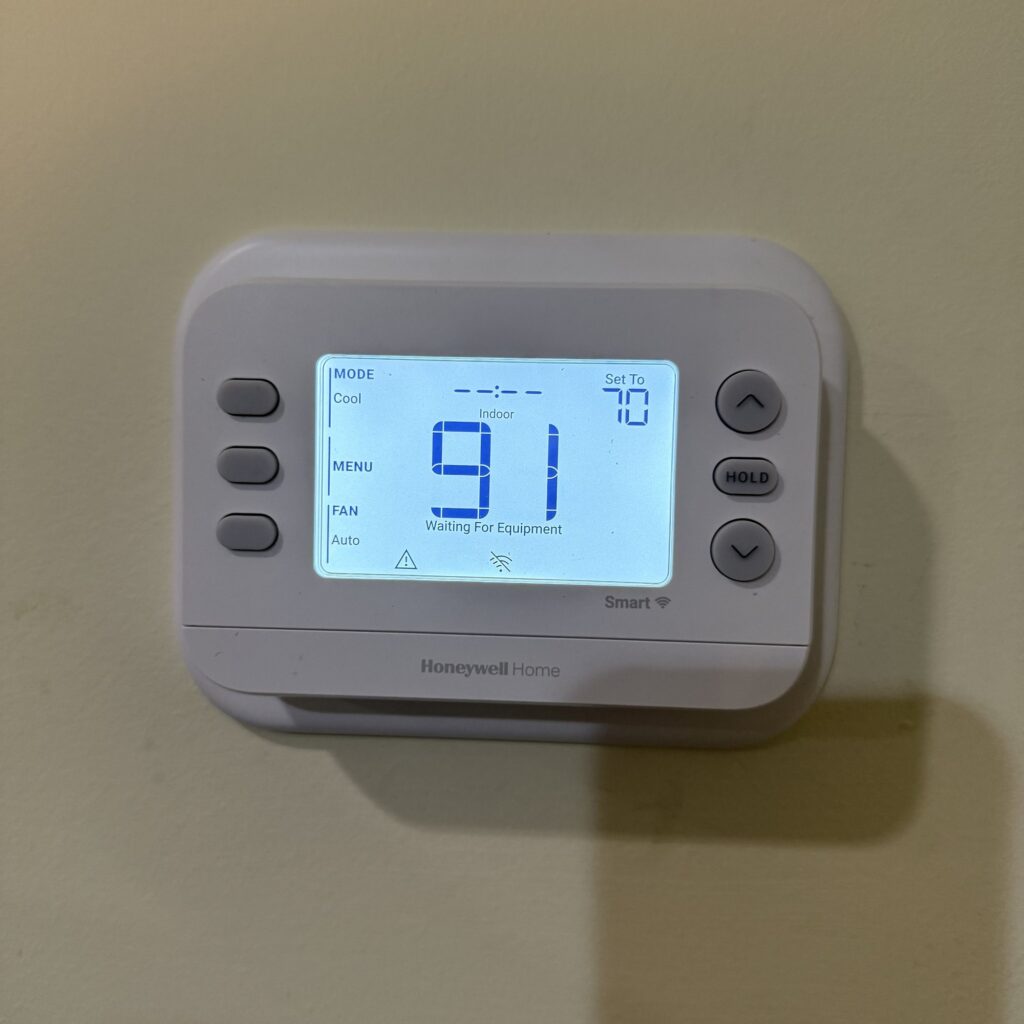
A broken thermostat can make your home uncomfortable and drive up your energy bills. Recognizing the warning signs early helps you fix problems before they get worse.
Inconsistent or inaccurate temperature readings
Your thermostat might show one temperature while your home feels much different. This problem usually means the sensor inside your thermostat has stopped working correctly.
You can test this by placing a separate thermometer near your thermostat. Wait about 15 minutes and compare the readings. If they differ by more than a degree or two, your thermostat needs repair.
Old age often causes sensors to fail. Dust and dirt can also build up inside the thermostat and affect how it reads temperature. Sometimes the thermostat just needs cleaning or calibration to work properly again.
If your rooms feel different temperatures throughout your home, the thermostat might be placed in a bad spot. Direct sunlight, drafts, or nearby vents can trick the sensor into giving wrong readings.
HVAC system not responding to thermostat settings
You adjust your thermostat settings, but nothing happens. The heating or cooling system should start within a few minutes of changing the temperature. When it doesn’t respond at all, the connection between your thermostat and HVAC system has likely failed.
Check if your thermostat has power first. Replace the batteries if you have a battery-powered model. For hardwired thermostats, make sure the circuit breaker hasn’t tripped.
Loose or corroded wires can stop signals from reaching your HVAC system. The wiring connections might need cleaning or tightening. Sometimes the problem lies in damaged wires that need replacement.
Display screen issues or unresponsive controls
A blank or dim screen often means your thermostat is losing power. Dead batteries are the most common cause in battery-powered models. Replace them and see if the display comes back on.
Common display problems include:
- Screen completely blank
- Dim or fading display
- Flickering screen
- Buttons not responding when pressed
- Touch screen not registering input
If the screen lights up but the buttons don’t work, the control panel has likely failed. Moisture damage and age can cause the internal circuits to break down. You might see the display freeze on one screen or show random numbers and letters.
Short cycling or frequent system on/off cycles
Your heating or cooling system turns on and off every few minutes instead of running normal cycles. This pattern is called short cycling and it wastes energy while wearing out your HVAC equipment faster.
A failing thermostat can send wrong signals that make your system start and stop too often. The sensor might think the target temperature has been reached when it hasn’t. This causes the system to shut off too early.
Short cycling also happens when wiring problems create false signals. Loose connections can make the thermostat act like someone keeps changing the settings. Your system never completes a full heating or cooling cycle.
Strange Noises When Adjusting Settings
You shouldn’t hear clicking, buzzing, or humming sounds coming from your thermostat when you change settings. One quiet click when the system starts is normal, but repeated or loud noises signal a problem.
Constant clicking often means the relay switch inside your thermostat has worn out. This switch controls when your HVAC system turns on and off. When it fails, it can get stuck or make noise as it tries to work.
Buzzing or humming sounds usually point to electrical issues. Loose wires can vibrate and create these noises. Damaged internal components might also buzz as electricity tries to flow through broken circuits.
How HVAC thermostat repair works

HVAC thermostat repair involves a systematic process that starts with checking the device and its connections, then moves through testing, fixing broken parts, adjusting sensors, and confirming everything works properly. Technicians follow specific steps to identify problems and restore your temperature control system to full function.
Initial diagnosis and system evaluation
A technician starts by examining your thermostat display and checking if it powers on correctly. They look for obvious issues like blank screens, error codes, or unresponsive buttons. The inspection includes checking the circuit breaker and furnace switch to rule out simple power problems.
The technician evaluates whether you have a mechanical dial thermostat or a digital programmable model. They check the age of your unit since older thermostats often need replacement rather than repair. For residential thermostat service, they note the current temperature reading and compare it to the actual room temperature.
Commercial thermostat repair may involve checking multiple zones and control panels. The technician documents all symptoms you’ve reported, such as short cycling, temperature swings, or the system not responding to adjustments.
Testing thermostat functionality and wiring
The technician removes the thermostat cover to inspect the wiring connections. Loose or corroded wires are common problems that affect HVAC temperature control repair. They check each wire terminal to ensure proper contact and correct placement.
Using a multimeter, they test for voltage at the thermostat terminals. Standard residential systems typically show 24 volts AC. They verify continuity in the wiring that runs between your thermostat and the HVAC system. Damaged wires in walls or attics require rerouting or replacement.
The technician tests the thermostat’s ability to send signals to your heating and cooling equipment. They manually trigger both heating and cooling modes to see if the system responds. For smart thermostats, they check Wi-Fi connectivity and app functionality.
Repairing or replacing faulty components
Once the technician identifies the problem, they determine if repair is possible or if thermostat replacement service is needed. Simple fixes include tightening loose wire connections, cleaning dust from contacts, or replacing dead batteries in battery-powered units.
For mechanical thermostats, they may repair or replace the bimetallic coil or mercury switch. Digital models might need new circuit boards, displays, or relay switches. These internal components often cost nearly as much as a new thermostat, making replacement more practical.
Common repairs include:
- Wire terminal replacement
- Display screen fixes
- Button or touchscreen repair
- Internal relay replacement
- Power transformer issues
The technician explains whether your unit qualifies for repair based on age and condition. Most thermostats older than 10 years benefit from replacement with modern, energy-efficient models.
Calibrating temperature sensors
Temperature sensors must read room temperature accurately for your system to work correctly. The technician uses a calibrated thermometer to compare the actual room temperature with your thermostat’s reading. A difference of more than 2 degrees indicates calibration problems.
For mechanical thermostats, calibration involves adjusting a small screw or lever inside the unit. This physically changes how the temperature sensing element responds. Digital thermostats may have calibration settings in their programming menu that allow adjustments of 5 degrees or more.
The technician ensures the thermostat is mounted level on the wall. An unlevel thermostat can cause inaccurate readings in mechanical models. They also verify that the thermostat location is appropriate, away from direct sunlight, drafts, or heat sources that affect sensor accuracy.
Testing system response and user controls
The final step involves running your heating and cooling system through complete cycles. The technician sets the temperature above and below the current room temperature to trigger both modes. They time how long it takes for the system to start and verify it shuts off at the correct temperature.
They test all user controls including mode switches, fan settings, and program schedules. For programmable thermostats, they verify that scheduled temperature changes occur at the right times. Smart thermostat testing includes checking remote access, voice control features, and automated adjustments.
The technician observes whether the system short cycles or runs continuously. They measure the temperature differential between on and off cycles to ensure proper operation. You receive instruction on operating your repaired or new thermostat, including any programming features or maintenance requirements.
Common thermostat problems and solutions
Thermostat problems usually come from a few key issues that affect how your heating and cooling system works. Most issues involve power problems, damaged parts, or settings that need adjustment.
Dead batteries or power supply issues
Dead batteries are the most common reason thermostats stop working. Your thermostat needs power to send signals to your HVAC system, and when batteries die, the screen goes blank and your system stops responding.
Check if your thermostat display is dark or showing a low battery warning. Most thermostats use AA or AAA batteries that need replacement every 6 to 12 months. Replace the batteries and wait a few minutes for the system to restart.
If your thermostat connects directly to your home’s electrical system instead of using batteries, check your circuit breaker. A tripped breaker cuts power to the thermostat completely. Flip the breaker back on if it’s in the off position.
Smart thermostats sometimes lose their Wi-Fi connection when power cuts off briefly. After restoring power, you may need to reconnect the device to your network through the mobile app.
Loose or damaged wiring
Wiring problems prevent your thermostat from communicating with your HVAC system. Loose wires cause your system to short cycle, stop working entirely, or fail to heat or cool properly.
Turn off power to your HVAC system at the breaker before checking wires. Remove your thermostat’s cover and look for loose, disconnected, or frayed wires at the terminal connections. Each wire should be firmly attached to its labeled terminal.
Common wire problems include:
- Wires that have pulled out of their terminals
- Corroded or rusty wire connections
- Frayed insulation exposing bare wire
- Wires touching each other and causing shorts
Tighten any loose connections by turning the terminal screw clockwise. If wires look damaged or corroded, you need to call an HVAC technician to replace them safely.
Incorrect calibration
A thermostat with incorrect calibration reads the wrong temperature and makes your HVAC system run too much or too little. You might notice your home feels too hot or cold even though the thermostat shows the right setting.
Place an accurate thermometer next to your thermostat and wait 15 minutes. Compare the two readings. If they differ by more than one degree, your thermostat needs calibration.
Some older thermostats have a small calibration screw you can adjust with a screwdriver. Turn it slightly and wait to see if the reading improves. Digital thermostats usually have a calibration setting in their menu that lets you add or subtract degrees from the reading.
Dust and dirt inside the thermostat can also cause wrong readings. Remove the cover and gently clean the inside with a soft brush or compressed air. Make sure your thermostat isn’t in direct sunlight or near heat sources like lamps, which affect its ability to read room temperature correctly.
Software or firmware glitches in smart thermostats
Smart thermostats run on software that sometimes freezes, crashes, or develops bugs after updates. These glitches cause unresponsive screens, failed schedule changes, or lost Wi-Fi connections.
Restart your smart thermostat by removing it from the wall plate for 30 seconds, then reattaching it. This simple reset fixes many software problems. You can also restart most models through their settings menu without removing them from the wall.
Check if a firmware update is available through your thermostat’s app or settings menu. Manufacturers release updates to fix bugs and improve performance. Make sure your thermostat stays connected to Wi-Fi so it receives automatic updates.
If problems continue after restarting and updating, perform a factory reset. This erases all settings and returns the device to its original state. You’ll need to set up your thermostat again and reconnect it to your Wi-Fi network. Check your user manual for specific reset instructions since the process varies by brand and model.
Physical damage to controls or sensors
Physical damage affects how your thermostat detects temperature and accepts commands. Broken buttons, cracked screens, or damaged sensors stop your thermostat from working correctly.
Look for visible damage like cracks in the screen, stuck buttons, or loose parts. Test each button to see if it responds when pressed. A damaged touch screen might not register your touches or might activate the wrong settings.
The temperature sensor inside your thermostat is a small metal component that can bend or break if the device gets hit or dropped. If your thermostat shows extreme temperature readings or doesn’t respond to temperature changes in your home, the sensor might be damaged.
Clean around buttons and the screen with a dry cloth to remove any debris that might block controls. If you see cracks or breaks in the casing, moisture can get inside and damage electronic components. Minor cosmetic damage usually doesn’t affect function, but cracks that expose internal parts need immediate attention.
Damage from water, pets, or impacts typically requires replacing the thermostat. Attempting repairs on damaged electronic components often costs more than buying a new unit.
Benefits of professional HVAC thermostat repair
Professional thermostat repair services fix temperature control problems quickly and correctly. Expert technicians have the right tools and training to restore your system’s performance and protect your equipment from damage.
Restored temperature accuracy and comfort
A broken thermostat fails to read room temperatures correctly. This causes your home to feel too hot or too cold no matter what temperature you set. You might notice some rooms stay uncomfortable while others feel fine.
Professional technicians identify sensor problems and calibration issues that cause these temperature swings. They use specialized equipment to test and adjust your thermostat’s accuracy.
Most repairs take 30 to 60 minutes to complete. After service, your thermostat will maintain steady temperatures throughout your home. You won’t need to constantly adjust settings or deal with uneven heating and cooling.
Optimized energy efficiency
A malfunctioning thermostat wastes energy and increases your utility bills. When temperature sensors read incorrectly, your HVAC system runs longer than needed. This uses extra electricity or gas without improving comfort.
Professional repairs fix these efficiency problems at the source. Technicians repair faulty wiring, replace worn components, and reprogram settings for better performance. They can also show you how to use programmable features that reduce energy use when you’re away or sleeping.
Proper thermostat function helps your HVAC system run only when necessary. This cuts down on wasted energy and lowers your monthly bills.
Prevents further HVAC system strain
Thermostat problems force your HVAC system to work harder than it should. Common issues include short-cycling, where the system turns on and off repeatedly. Continuous running without reaching the set temperature also strains your equipment.
These problems wear out critical components faster. Your compressor, blower motor, and other parts experience unnecessary stress. This can lead to expensive repairs or early system failure.
Professional repair stops these issues before they damage your HVAC equipment. Technicians fix control problems, power supply issues, and communication errors between your thermostat and system. This protection saves you from costly repairs down the road.
Longer thermostat and HVAC system lifespan
Regular professional repairs help both your thermostat and HVAC system last longer. Technicians catch small problems before they become major failures. They clean connections, tighten loose wiring, and replace parts that show wear.
Proper maintenance extends equipment life through:
- Preventing electrical shorts and power surges
- Maintaining proper communication between components
- Reducing unnecessary system cycling
- Keeping all parts working as designed
Professional service also protects your warranty coverage. Many HVAC manufacturers require professional installation and repair to keep warranties valid. DIY fixes can void these protections and leave you paying for problems that would have been covered.
Peace of mind with safe and reliable repairs
Thermostat repair involves electrical work that poses safety risks. Incorrect wiring can cause system malfunctions, electrical fires, or personal injury. Professional technicians are licensed and trained to handle these hazards safely.
They carry the right tools and replacement parts for your specific thermostat model. You don’t need to guess which parts to buy or how to install them correctly.
Professionals also explain your options before starting work. They help you understand what repairs are needed and what they will cost. Most services come with warranties on parts and labor, so you’re covered if problems return.
Licensed technicians work with almost all thermostat brands and models. They can service older equipment or install modern smart thermostats based on your needs.
Tips to extend your thermostat’s life
Taking care of your thermostat properly helps it work better and last longer. Simple habits like regular cleaning, smart usage patterns, and timely maintenance can add years to your thermostat’s lifespan.
Regular cleaning of the thermostat and surroundings
Dust and debris can interfere with your thermostat’s sensors and internal components. You should clean your thermostat every three to six months using a soft, dry cloth or a small brush to remove surface dust.
Turn off the power to your HVAC system before cleaning. Remove the thermostat cover carefully and use compressed air to blow out any dust inside. Avoid using liquid cleaners or sprays directly on the device.
Keep the area around your thermostat clear of furniture, curtains, and decorations. These items can block airflow and cause inaccurate temperature readings. The space within two feet of your thermostat should stay open and clean.
Check for signs of pest activity, as insects can damage wiring and components inside the thermostat. If you notice any issues, address them immediately to prevent further damage.
Avoid frequent manual overrides
Constantly adjusting your thermostat settings puts extra strain on both the device and your HVAC system. Each manual override triggers the system to work harder to reach the new temperature quickly.
Set a comfortable temperature and leave it alone for at least a few hours. Your system works most efficiently when it maintains a steady temperature rather than constantly ramping up and down.
If you find yourself adjusting the thermostat multiple times per day, consider programming a schedule that matches your routine. Most programmable thermostats let you set different temperatures for morning, day, evening, and night.
Adjusting your thermostat 7°, 10°F for 8 hours a day (such as overnight or when the building is empty) can save up to about 10% a year on heating and cooling, per the U.S. Department of Energy (DOE).
Manual overrides also wear out the physical buttons or touchscreen faster. The more you press or tap, the sooner these components will fail.
Schedule periodic system checks
Professional HVAC technicians should inspect your thermostat during regular maintenance visits. They can spot problems you might miss, like loose wiring or calibration issues.
Schedule maintenance at least once a year, preferably before the heating or cooling season begins. The technician will test your thermostat’s accuracy by comparing its reading to a separate thermometer.
You can perform basic checks yourself between professional visits. Verify that your thermostat controls your system properly by adjusting the temperature and listening for the HVAC unit to respond. Check that all display functions work correctly and settings save properly.
Look for signs of wear like cracked screens, loose mounting, or delayed responses. These issues often get worse over time if ignored.
Replace batteries as recommended
Dead batteries cause most thermostat failures in battery-powered models. Most thermostats need new batteries once or twice per year, depending on the model and usage.
Watch for low battery warnings on your thermostat display. Many models show a symbol or message when battery power drops below a safe level. Don’t wait until the batteries die completely.
Replace batteries with the type specified in your owner’s manual. Using the wrong battery type can damage your thermostat or cause it to malfunction. Keep spare batteries on hand so you can replace them as soon as needed.
Some thermostats use a common wire (C-wire) for continuous power instead of batteries. If your model has this option, using it eliminates battery-related issues entirely.
Upgrade to energy-efficient or smart models when needed
Older thermostats become less accurate over time and may cost more to operate. If your thermostat is over 10 years old, a new model could improve efficiency and reliability.
Smart thermostats learn your schedule and adjust temperatures automatically. They also alert you to problems and can be controlled remotely through your phone. These features reduce wear on your HVAC system and help everything last longer.
Energy-efficient models often include better sensors and more precise temperature control. This accuracy means your HVAC system runs only when truly needed, reducing stress on both the thermostat and the heating or cooling equipment.
Consider upgrading if your current thermostat frequently malfunctions or can’t maintain consistent temperatures. The upfront cost often pays for itself through lower energy bills and fewer repair calls.
Why choose SwiftPro for HVAC thermostat repair
SwiftPro brings professional expertise to every thermostat repair job. Their team handles all types of thermostats with transparent pricing and a focus on keeping your system running efficiently.
Licensed and experienced HVAC technicians
Your thermostat connects directly to your heating and cooling system, so repairs require proper training and certification. SwiftPro employs licensed HVAC technicians who understand how thermostats communicate with furnaces, air conditioners, and heat pumps.
These technicians stay current with manufacturer requirements and service major brands like Trane, Carrier, American Standard, Lennox, Amana, and Goodman. They can diagnose wiring issues, calibration problems, and communication errors between your thermostat and HVAC equipment.
Their experience helps them spot problems quickly and recommend the right solution the first time. You won’t deal with guesswork or multiple service calls for the same issue.
Fast and reliable repair for homes and businesses
Thermostat problems affect your comfort immediately. SwiftPro serves both residential and commercial customers throughout Northern Virginia, with 24/7 emergency service.
Their service area includes Fairfax, Reston, Alexandria, and surrounding communities. The company operates as a local, family-owned business, which means they prioritize customer satisfaction and quick turnaround times.
For commercial clients, they understand that temperature control affects employee productivity and customer comfort. They work efficiently to restore proper thermostat function without disrupting your business operations.
Service for all thermostat types including smart models
Modern homes use different thermostat technologies, and SwiftPro services them all. Their technicians repair:
- Basic programmable thermostats with scheduling features
- Smart thermostats like Nest, Ecobee, and Honeywell Wi-Fi models
- Traditional manual thermostats in older homes
- Commercial building automation systems
Smart thermostats require specific knowledge about Wi-Fi connectivity, app integration, and learning algorithms. The team can troubleshoot connection issues, recalibrate sensors, and restore remote access features. They also handle compatibility checks when your thermostat doesn’t match your HVAC system properly.
Transparent pricing and upfront estimates
You receive clear pricing information before any repair work begins. SwiftPro provides upfront estimates that explain what needs repair and how much it will cost.
Their technicians complete thorough diagnostics to identify the actual problem. They explain your options in straightforward terms without technical jargon. This approach helps you decide whether repair or replacement makes more financial sense.
There are no hidden fees or surprise charges after the work is done. You know the total cost before giving approval to proceed.
Focus on comfort, efficiency, and long-term system health
A properly working thermostat does more than control temperature. It affects your energy bills, system lifespan, and indoor air quality.
SwiftPro looks at how your thermostat impacts your entire HVAC system. They check for issues that cause your equipment to cycle too frequently or run inefficiently. Fixing calibration problems can reduce energy waste and lower your monthly costs.
Their repair approach considers long-term performance, not just immediate fixes. They identify potential problems that could lead to bigger issues later. This preventive mindset helps you avoid emergency breakdowns and extends the life of your heating and cooling equipment.
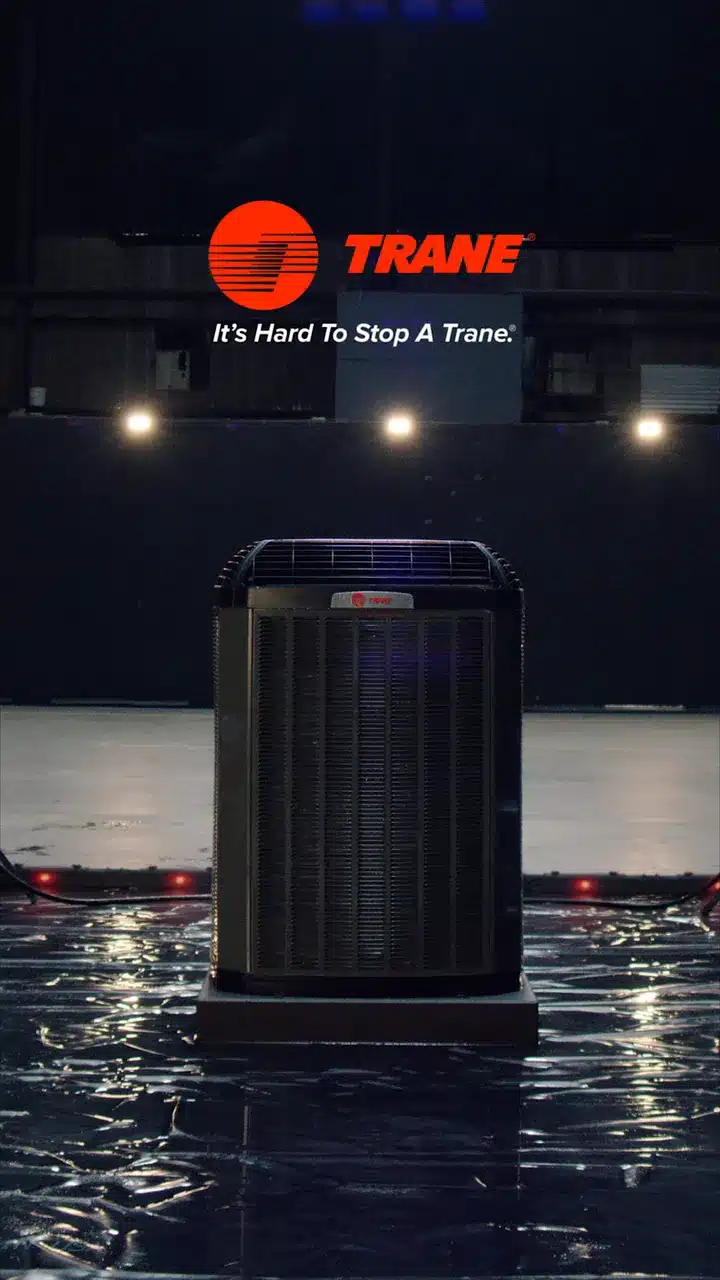
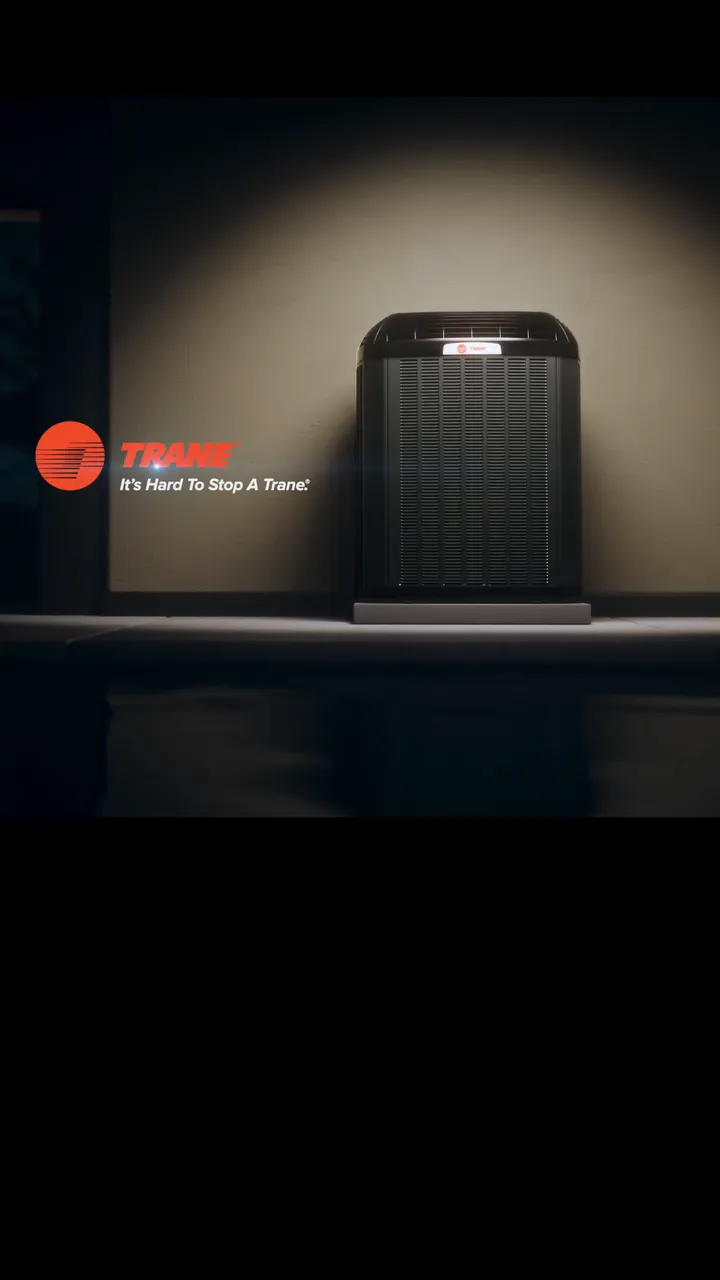
The system we put in first
Built to take a beating. Put in by our crew.
Heat lamps, snow and rain on one outdoor unit: that’s Trane’s own film. We’re a Trane Comfort Specialist, on Trane’s own dealer locator, and when you pick a Trane, our crew puts it in.
Films: Trane’s own.
Restore Reliable Temperature Control with SwiftPro
Your thermostat plays a key role in keeping your home comfortable throughout the year. When it stops working properly, you might notice uneven temperatures, higher energy bills, or a system that won’t turn on at all.
Many thermostat problems are simple to fix. You can often solve issues by replacing batteries, checking circuit breakers, or cleaning dust from the device. Sometimes you just need to adjust settings or make sure wires are connected properly.
Regular maintenance helps prevent problems before they start. Check your thermostat every few months to make sure it’s reading the right temperature and responding when you adjust it.
Not every issue means you need a new thermostat. Many problems can be fixed with simple repairs that cost less than a full replacement. A working thermostat helps your HVAC system run efficiently and keeps your energy costs down.
If you’ve tried basic fixes and your thermostat still isn’t working right, it’s time to get help. An HVAC technician can diagnose the problem quickly and recommend the best solution for your situation.
Request residential thermostat service from SwiftPro for a full HVAC temperature control repair diagnosis and a clear recommendation on whether repair or thermostat replacement service is the safest, most cost-effective fix.
Book the $67 Heating Check, or price a new furnace
Get it checked before the cold. The $67 Heating Check covers one furnace or heat pump, through December 31. If you also want the blower wheel pulled and cleaned with a full tune-up, that is $229.
What a new furnace costs in your house. The furnace price estimator asks a few questions about your home and shows the installed price for your size, from $4,285. From about $71 a month at 0% APR for 60 months, the whole price financed, on approved credit. You can book a free in-home measurement from the same page.
Book a visit online, or call (703) 997-9757. We answer around the clock.
Watch us find what's wrong with an AC
Real jobs in Northern Virginia homes, filmed by our own crew. Tap one to watch.