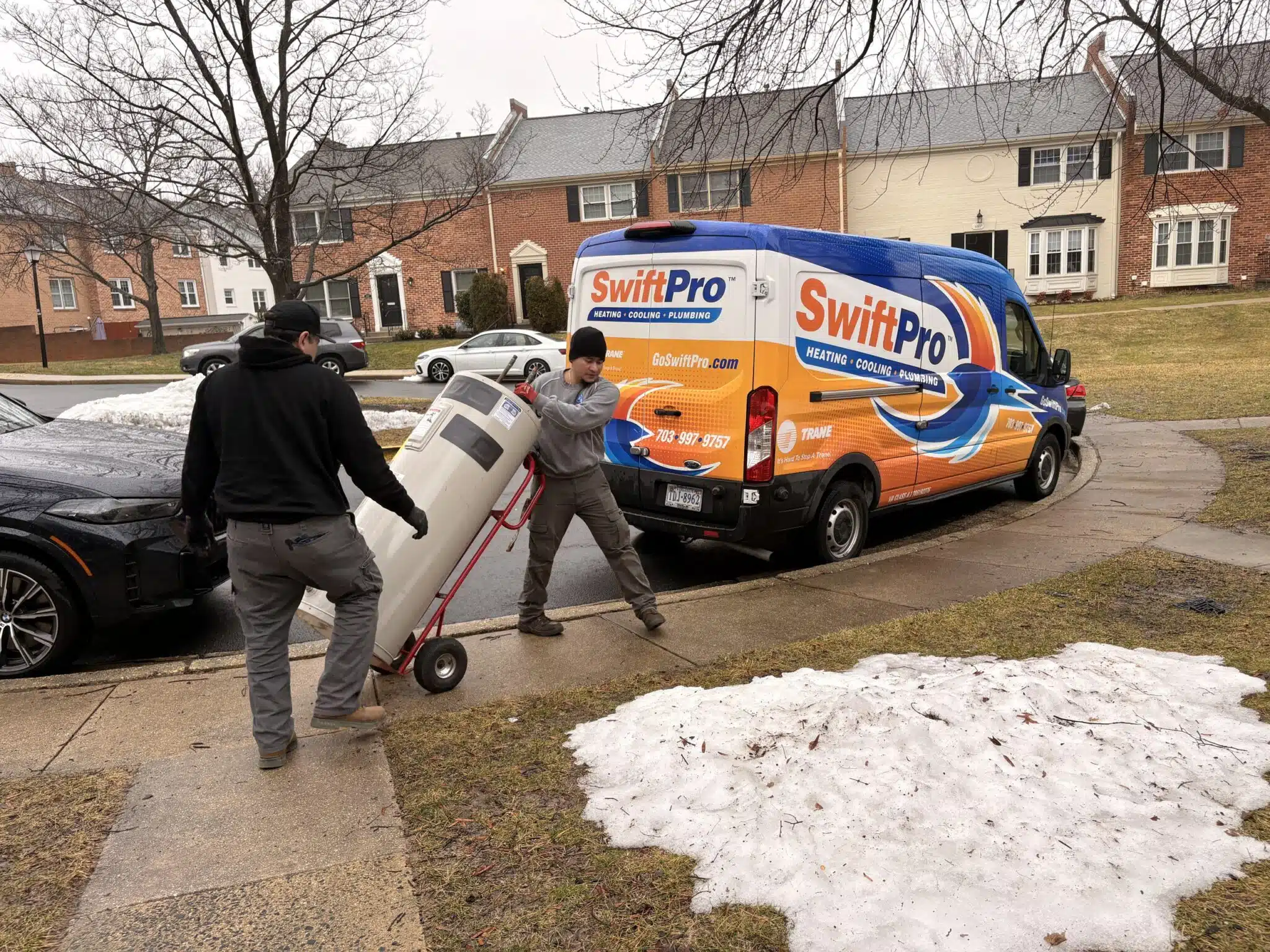


Your water heater works quietly in the background until the day it stops. A cold shower or a pool of water near your tank means something has gone wrong. Professional water heater repair services can diagnose and fix most common problems quickly, often saving you from the expense of a full replacement.
Most water heater issues show warning signs before they become serious. Strange noises, rusty water, or inconsistent temperature can all point to specific problems. Understanding these signs helps you decide when to call for help and when a repair can wait.
This guide walks you through everything from identifying problems to understanding costs. You’ll learn when emergency service is necessary and how regular maintenance can prevent future breakdowns.
Here’s what you need to know:
- Water heater repair services: restore reliable hot water fast
- What are water heater repair services?
- What are the most common water heater problems?
- When should you call for emergency water heater repair?
- How do professional water heater repair services work?
- Is it better to repair or replace your water heater?
- Can you fix a water heater yourself?
- How can you prevent future water heater repairs?
- Why choose SwiftPro for water heater repair services?
Keep reading! Knowing what repair services include and how professionals handle common issues makes the process less stressful
Water heater repair services: restore reliable hot water fast
When your water heater stops working, you need quick help to get hot water back in your home. Professional repair services can fix most issues the same day and restore your comfort.
Common problems that need repair:
- No hot water or not enough hot water
- Strange noises coming from the tank
- Water leaks around the unit
- Rusty or discolored water
- Pilot light won’t stay lit
Most residential water heater service providers offer emergency repairs 24/7. You can find hot water heater repair near me by searching online or calling local plumbing companies.
Professional technicians can diagnose your problem quickly. They have the right tools and training to fix gas and electric water heaters safely. Many companies provide same-day service to minimize disruption to your daily routine.
What to do before help arrives:
- Turn off the power or gas supply to your water heater
- Shut off the water supply if you see leaks
- Move items away from any pooling water
- Take photos of visible damage
Regular maintenance helps your water heater last longer and prevents many common problems. Professional service includes checking the pressure relief valve, flushing sediment, and inspecting key components.
Most repair services provide free estimates before starting work. They can tell you if repair makes sense or if replacement would be more cost-effective. Licensed technicians ensure repairs meet local building codes and safety standards.
What are water heater repair services?
Water heater repair services fix problems with your hot water system, from diagnosing strange noises and leaks to replacing broken parts and ensuring your unit runs safely. Professional technicians handle both tank and tankless models, working with gas and electric systems to restore your hot water supply.
Diagnosing hot water system problems
A technician starts by checking your water heater to find out what’s wrong. They look for common issues like water that’s too cold, too hot, or changes temperature without warning. They also check for leaks around the tank, pipes, and valves.
The diagnostic process includes testing the pressure relief valve and examining the tank for rust or corrosion. Technicians listen for unusual sounds like popping, banging, or hissing that signal sediment buildup or other internal problems.
They also check your water temperature and pressure levels. If you have a gas water heater, they test the gas valve and pilot light. For electric units, they examine the circuit breaker and electrical connections to make sure power reaches the unit correctly.
Repairing tank and tankless water heaters
Repair services cover both traditional tank water heaters and newer tankless models. For tank units, technicians fix leaks at connection points, repair or replace drain valves, and address issues with the tank’s internal components.
Tankless water heater repairs focus on different problems. These include cleaning mineral buildup from heat exchangers, fixing error codes, and addressing flow sensor issues. Tankless units need regular descaling to work properly, especially in areas with hard water.
Both types of repairs might include fixing water line connections, addressing pressure problems, and replacing worn-out gaskets or seals. Technicians have the specific tools and parts needed for your model.
Replacing faulty thermostats and heating elements
Your water heater’s thermostat controls the temperature of your water. When it stops working, you might get cold showers or water that’s dangerously hot. Replacing a broken thermostat costs between $150 and $200 for parts and labor.
Electric water heaters have one or two heating elements that warm the water. When these fail, you’ll have little to no hot water. Technicians test these elements with special tools and replace them when needed.
Gas water heaters use burners instead of heating elements. Repair services include cleaning or replacing the burner assembly, fixing the pilot light, and adjusting the flame to burn efficiently. Both systems need properly calibrated thermostats to maintain steady water temperatures.
Addressing gas, electric, and venting issues
Gas water heaters need specific safety checks and repairs. Technicians examine the gas line for leaks, test the gas valve operation, and make sure the pilot light stays lit. They also inspect the burner for proper flame color and pattern.
Electric water heaters require different attention. Repair services include checking the circuit breaker, testing electrical connections, and examining the wiring for damage or corrosion.
Venting is critical for gas water heaters. Your technician checks that exhaust gases leave your home safely through the vent pipe. They look for blockages, damage, or improper installation that could let dangerous gases into your living space.
Gas-burning appliances like water heaters must be vented properly, and the CDC notes that horizontal vent pipes should slope slightly upward toward the outdoors to help prevent carbon monoxide from leaking if joints are not tight.
Ensuring safe and code-compliant operation
Professional repair services make sure your water heater meets current building codes and safety standards. Technicians check that your unit has proper clearance from walls and combustible materials. They verify that safety devices like the temperature and pressure relief valve work correctly.
The pressure relief valve prevents dangerous pressure buildup in your tank. Technicians test this valve and replace it if it’s stuck or leaking. They also check that your water heater has proper earthquake straps in areas where they’re required by code.
Your repair service includes verifying that your water heater’s temperature setting isn’t too high, which could cause scalding. Most codes require settings at or below 120 degrees Fahrenheit for homes with children or elderly residents.
What are the most common water heater problems?

Water heaters show specific symptoms when they start to fail. Catching these problems early can help you avoid sudden breakdowns and expensive emergency repairs.
No hot water or inconsistent temperatures
When your water heater stops producing hot water or the temperature keeps changing, you’re dealing with one of the most frustrating problems. This issue often points to a faulty heating element in electric models or a broken thermostat.
Gas water heaters may lose hot water due to pilot light problems or a malfunctioning gas valve. If your pilot light won’t stay lit, the thermocouple might need replacement.
Electric water heaters typically have two heating elements that can burn out over time. When the upper element fails, you won’t get any hot water. If the lower element breaks, you’ll get a small amount of hot water that runs out quickly.
Your thermostat might also be set too low or may have stopped working correctly. Check that your temperature setting is between 120-140°F. If adjusting the thermostat doesn’t fix the problem, you may need professional testing to identify which component failed.
Water heater leaking from tank or fittings
Leaks from your water heater require immediate attention because they can cause water damage to your home. The location of the leak tells you how serious the problem is.
Leaks from the top usually come from loose pipe connections or a faulty temperature and pressure relief valve. These are often simple fixes that don’t require replacing the entire unit.
Leaks from the bottom are more concerning. Water pooling beneath your tank might indicate internal corrosion and a cracked tank. When the tank itself cracks, you need a complete water heater replacement because the tank cannot be repaired.
Small drips from the pressure relief valve are normal when the valve releases excess pressure. However, constant leaking from this valve means it’s stuck open or the pressure inside your tank is too high. Sediment buildup can also create enough pressure to cause leaks throughout the system.
Strange noises like popping or rumbling
Unusual sounds from your water heater signal that something needs attention. These noises happen when sediment and mineral deposits build up at the bottom of your tank over time.
Popping or rumbling sounds occur when water gets trapped under hardened sediment and boils. The bubbling water creates these noises as it escapes through the sediment layer.
Banging or knocking sounds might indicate water hammer in your pipes or that heating elements are covered with mineral scale. When elements heat up while covered in buildup, they expand and create noise.
Regular flushing removes sediment before it hardens and causes these problems. If you hear these noises, draining and flushing your tank can often solve the issue. Ignoring the sounds leads to reduced efficiency and can damage your heating elements or tank lining.
Rust-colored or foul-smelling water
Discolored or smelly hot water from your taps indicates contamination inside your water heater. The color and smell help identify what’s wrong.
Rusty or brown water usually means corrosion inside your tank or in your home’s pipes. To determine which is the problem, drain a few buckets of hot water from the tank. If the water clears up by the third bucket, your pipes are likely rusty. If it stays discolored, your tank is corroding from the inside.
Rotten egg smell comes from bacteria growing inside the tank. This bacteria reacts with the anode rod to produce hydrogen sulfide gas. Flushing the tank and disinfecting it with hydrogen peroxide solution often eliminates the odor. In some cases, replacing the standard anode rod with an aluminum or powered anode rod prevents the smell from returning.
Pilot light or ignition failure
Gas water heaters depend on a working pilot light or electronic ignition to heat water. When this system fails, you won’t get any hot water.
Pilot light problems have several possible causes. A dirty pilot tube can block gas flow and prevent the flame from staying lit. Strong drafts near your water heater can also blow out the pilot light repeatedly.
The thermocouple is a safety device that shuts off gas when it doesn’t detect a pilot flame. If your thermocouple is old or positioned incorrectly, it won’t sense the flame and will shut off the gas supply. This makes relighting the pilot impossible until you replace or adjust the thermocouple.
For units with electronic ignition, a faulty igniter or control board prevents the burner from lighting. You might hear clicking sounds as the system tries to ignite but fails. Power supply issues or a tripped reset button can also cause ignition failure in these models.
When should you call for emergency water heater repair?
Certain water heater problems require immediate attention to prevent property damage and restore essential hot water service. You need to recognize these critical warning signs so you can act quickly and contact a professional before minor issues become expensive disasters.
Sudden loss of hot water
A complete loss of hot water signals a serious problem with your water heater that needs immediate attention. This issue can stem from a failed heating element, a broken thermostat, or a malfunctioning pilot light in gas units.
When you turn on your hot water tap and only cold water comes out, your daily routine stops. Showers, laundry, and dishwashing all depend on hot water.
You should call for emergency water heater repair right away if the loss happens suddenly and affects all hot water fixtures in your home. A professional can diagnose whether the problem requires a quick fix or a full system replacement. Waiting too long without hot water during winter months can create health concerns and damage your pipes.
Visible leaks or pooling water
Water pooling around your water heater base indicates an active leak that can cause significant water damage to your home. Small drips can quickly turn into major floods that destroy flooring, walls, and personal belongings.
Check around your water heater regularly for any signs of moisture or standing water. Tank leaks often start small but worsen rapidly as corrosion spreads through the metal.
Common leak locations include:
- Tank base or seams
- Temperature and pressure relief valve
- Drain valve connections
- Inlet and outlet pipes
- Heating element gaskets
You need emergency water heater repair the moment you spot water accumulation. Even a small leak can dump gallons of water into your home within hours. Turn off the water supply to your heater and contact a professional immediately to minimize damage.
Gas smells or electrical issues
A gas odor near your water heater represents a dangerous situation that requires immediate action. Natural gas leaks can lead to explosions or carbon monoxide poisoning.
If you smell gas around your water heater, leave your home immediately and call your gas company from a safe location outside. Do not flip any light switches or use electronics that could create a spark.
Electrical problems also warrant emergency calls. Sparking, burning smells, or tripped breakers that keep resetting indicate serious electrical faults. These issues can start fires or cause electrocution.
Warning signs of electrical danger:
- Scorch marks on the unit
- Buzzing or crackling sounds
- Warm or discolored electrical connections
- Frequent breaker trips
Never attempt to fix gas or electrical problems yourself. These repairs require licensed professionals with specialized training and equipment.
Rapid pressure buildup
Excessive pressure inside your water heater tank creates a dangerous situation that can result in tank rupture or explosion. Your temperature and pressure relief valve exists specifically to prevent this hazard.
You might notice your relief valve constantly dripping or releasing steam. Strange rumbling, popping, or banging noises from the tank also signal pressure problems. These sounds often come from sediment buildup that causes water to boil and create steam pockets.
High pressure damages internal components and weakens tank walls. A failing relief valve cannot properly release excess pressure, which dramatically increases rupture risk.
Contact emergency water heater repair services if you see continuous water discharge from the relief valve or hear concerning noises. The problem will not fix itself and poses serious safety risks to your household.
System failure during extreme weather
Water heater failures during winter cold snaps or severe weather conditions require urgent attention. Cold temperatures stress your system and increase the risk of frozen pipes that can burst and flood your home.
A broken water heater in freezing weather leaves you without hot water when you need it most. You cannot safely heat water through alternative methods for bathing or essential tasks.
Summer heat waves also strain water heaters by raising inlet water temperatures and forcing systems to work harder. Combined with high usage during family gatherings or vacations, this stress can trigger sudden failures.
Emergency water heater repair becomes critical during these periods because standard repair services may face backlogs from increased demand. Extended waits without hot water during temperature extremes create uncomfortable and potentially unsafe living conditions. Quick action protects your comfort and prevents secondary damage from frozen pipes or system backups.
How do professional water heater repair services work?

Professional technicians follow a structured approach to diagnose and fix water heater problems, whether you have a traditional tank model or a tankless system. The process includes checking all components, fixing or replacing damaged parts, and testing the unit to ensure safe operation.
Initial inspection and system diagnostics
A technician starts by asking about the problems you’ve noticed with your water heater. They want to know if you’re getting no hot water, hearing strange noises, or seeing leaks around the unit.
The technician then performs a visual check of your water heater. They look at the exterior for signs of rust, corrosion, or water damage. They also check all visible connections and fittings.
For traditional tank water heaters, the technician examines the tank itself and surrounding area. For tankless water heater repair, they inspect the unit’s digital display for error codes and check the venting system.
The diagnostic process includes testing basic functions. The technician verifies power or gas supply to the unit. They check circuit breakers, gas valves, and pilot lights depending on your system type.
Identifying root causes and damaged components
After the initial check, the technician uses specialized tools to pinpoint specific problems. They test electrical components with multimeters to measure voltage and continuity.
Common components that technicians evaluate include:
- Thermostats and temperature sensors
- Heating elements (electric models)
- Gas burners and ignition systems (gas models)
- Pressure relief valves
- Anode rods
- Dip tubes and drain valves
The technician tests each part to determine if it works correctly. They measure water temperature at different points to identify heating inconsistencies. They also check for sediment buildup inside the tank, which can cause many common problems.
For tankless systems, technicians examine heat exchangers, flow sensors, and control boards. These units have more complex electronics that require specific diagnostic equipment.
Repairing or replacing defective parts
Once the technician identifies the problem, they explain what needs to be fixed and provide cost estimates. They let you know if parts need replacement or if repairs will solve the issue.
Common repairs include replacing faulty thermostats that prevent proper temperature control. Technicians also frequently replace worn heating elements in electric water heaters. These elements burn out over time and stop heating water effectively.
For gas water heaters, technicians may need to replace thermocouples or gas control valves. They also clean or replace burners that aren’t functioning properly.
Leaking tanks often require pressure relief valve replacement. If the anode rod is severely corroded, the technician installs a new one to prevent future tank corrosion.
Tankless water heater repair may involve replacing flow sensors, cleaning heat exchangers, or updating control boards. These units require precise calibration after part replacement.
Flushing sediment buildup if needed
Sediment accumulation is a major cause of water heater problems. Minerals in your water settle at the bottom of the tank over time.
The technician drains water from your tank to remove built-up sediment. They connect a hose to the drain valve and let water flow until it runs clear. This process can take 20 to 30 minutes depending on sediment levels.
For heavily clogged tanks, technicians may need to flush multiple times. They might also use the pressure relief valve to help break up stubborn sediment deposits.
Tankless units require descaling instead of traditional flushing. Technicians pump a vinegar solution or commercial descaler through the system to remove mineral deposits from the heat exchanger.
Final performance and safety testing
The technician refills your water heater and checks all connections for leaks. They turn the power or gas supply back on and monitor the unit as it heats up.
They verify that the water reaches the correct temperature. They adjust thermostat settings if needed and ensure temperature consistency at your faucets.
Safety checks are critical at this stage. The technician tests the pressure relief valve to confirm it releases properly. They check for gas leaks on gas models using specialized detection equipment.
For electric models, they verify proper grounding and electrical connections. They ensure all safety switches and cutoffs function correctly.
The technician runs the water heater through a complete heating cycle. They monitor for unusual sounds, smells, or performance issues. They also check that venting systems work properly to prevent carbon monoxide buildup in gas units.
Is it better to repair or replace your water heater?

The decision between repairing and replacing your water heater depends on several key factors including the age of your unit, how often it needs fixes, and the potential energy savings from a newer model. Understanding repair costs versus replacement expenses helps you make the right financial choice for your home.
Age of the unit and expected lifespan
Your water heater’s age is the most important factor when deciding between repair and replacement. Most traditional tank water heaters last 10 to 12 years with proper maintenance.
If your unit is less than 8 years old and needs a minor repair, fixing it usually makes sense. The remaining lifespan provides enough value to justify the repair cost.
Once your water heater reaches 10 years or older, replacement becomes the smarter option even for smaller issues. At this age, parts start wearing out faster and you’ll likely face more repairs soon. A unit past its expected lifespan also loses efficiency and costs more to operate each month.
Check the manufacturer’s date on the serial number sticker. If you can’t find it, a plumber can help determine your water heater’s age during a service call.
Frequency of repairs
The number of times you’ve called for repairs directly impacts whether you should keep fixing your water heater or buy a new one.
If this is your first repair in several years, fixing the problem is typically the right call. One isolated issue doesn’t mean your entire system is failing.
Multiple repairs within a year signal bigger problems. When you’re calling a plumber every few months, those repair bills add up quickly. Three or more repairs in 12 months usually means your water heater is breaking down and will continue having issues.
Keep track of your repair history and costs. When annual repair expenses approach $400 to $500, replacement becomes more economical than continuing to patch an aging system.
Energy efficiency considerations
Newer water heaters use significantly less energy than models from 10 or 15 years ago. Current standards require better insulation and more efficient heating elements.
An older water heater can waste 20% to 30% more energy compared to a new Energy Star certified model. This waste shows up as higher utility bills each month. A new water heater typically saves $100 to $300 per year on energy costs.
Modern units also heat water faster and maintain temperature more consistently. You get the same hot water with less energy use. These savings add up over the 10 to 12 year lifespan of a new water heater.
Calculate your potential savings by checking your current water heating costs on your utility bill. Compare this to the estimated operating costs of a new efficient model.
Cost comparison of repair vs replacement
Repairs typically cost between $150 and $500 depending on the specific problem. Common fixes include replacing heating elements, thermostats, or pressure relief valves.
Water heater replacement runs from $800 to $2,500 including installation. The price varies based on tank size, fuel type, and whether you choose a standard or high-efficiency model.
Use the 50% rule when deciding: if the repair costs more than half the price of a new water heater, choose replacement. For example, a $600 repair on a unit that would cost $1,000 to replace isn’t worth it.
Factor in your unit’s age with this calculation. A $400 repair on a 3-year-old water heater makes sense. The same repair on an 11-year-old unit doesn’t because you’ll likely need more fixes soon.
New water heaters come with warranties covering parts for 6 to 12 years. This protection adds value that repairs can’t match.
Benefits of upgrading to tankless systems
Tankless water heaters provide hot water on demand without storing it in a tank. They heat water only when you turn on a faucet or appliance.
These systems last 15 to 20 years, much longer than traditional tank models. You’ll replace them less often over your time in your home. Tankless units are also more energy efficient, reducing your utility costs by 24% to 34% for homes using 41 gallons or less of hot water daily.
The upfront cost is higher, ranging from $1,500 to $4,500 with installation. However, the longer lifespan and energy savings often offset this initial expense within 10 to 15 years.
Tankless systems take up less space since they mount on walls. They also eliminate the risk of tank leaks that can cause water damage. You get endless hot water as long as you don’t exceed the unit’s flow rate.
Consider a tankless upgrade if you’re replacing an old tank water heater and plan to stay in your home for many years. The investment pays off through lower bills and fewer replacements.
Can you fix a water heater yourself?
Some basic water heater maintenance can be done at home, but repairs involving gas lines, electrical systems, or internal components carry serious risks. Understanding these dangers helps you decide when to call a professional instead of attempting the work yourself.
Safety hazards involving gas and electricity
Water heaters use either electricity or natural gas to heat water, and both energy sources pose serious dangers. Electric water heaters operate on 240 volts, which can cause fatal electric shocks if you touch live wires or work on the unit without shutting off the power at the breaker.
Gas water heaters present even more risks. A small mistake in connecting gas lines can cause leaks that lead to explosions or carbon monoxide poisoning. You might not smell a gas leak right away, especially if the leak is small.
Working around heating elements and hot water tanks also creates burn risks. The water inside tanks can reach temperatures above 140°F. Even after turning off the power or gas, the water stays hot for hours and can cause severe scalds if you open the wrong valve or disconnect a pipe.
Warranty implications
Most water heater manufacturers require professional installation and repairs to keep warranties valid. If you attempt DIY repairs, you might void your warranty coverage completely. This means you’ll pay for any future repairs or replacements out of pocket, even if the problem stems from a manufacturing defect.
Warranty terms typically state that only licensed plumbers or technicians can work on the unit. Some manufacturers also require permits and inspections for certain repairs. Check your warranty documents before starting any repair work.
If your water heater is still under warranty and needs repairs, contact the manufacturer or an authorized service provider first. The cost of a professional repair might be covered, saving you money compared to a DIY attempt that voids your protection.
Specialized tools and training requirements
Water heater repairs need specific tools that most homeowners don’t own. You’ll need items like a multimeter to test electrical connections, pipe wrenches in various sizes, a tank draining pump, and specialized sockets for heating elements.
Professional technicians complete training programs that teach them about electrical systems, gas line safety, plumbing codes, and proper installation techniques. They also learn how to diagnose problems correctly the first time.
Building codes and safety regulations vary by location. Licensed professionals know these requirements and ensure repairs meet local standards. Without this knowledge, you might complete a repair that violates code and creates liability issues when you sell your home.
Risk of improper repairs
Misdiagnosing the problem leads to wasted time and money on parts you don’t need. What seems like a simple heating element failure might actually be a thermostat issue, a wiring problem, or sediment buildup affecting performance.
Incorrect repairs can make small problems worse. Over-tightening connections can crack pipes or damage threads. Installing the wrong replacement parts can cause leaks or system failures. Using incompatible materials might lead to corrosion or chemical reactions inside the tank.
Water damage from a failed DIY repair costs thousands of dollars to fix. A leaking connection or improperly sealed valve can flood your basement or damage floors, walls, and personal belongings. Your homeowner’s insurance might not cover damage caused by unauthorized repairs.
Long-term reliability concerns
Even if your DIY repair seems to work initially, hidden problems might develop over time. Improper installation of heating elements can cause premature failure or create hot spots that damage the tank lining. Loose electrical connections might work for a while before causing shorts or fires.
Professional repairs include testing and verification steps that ensure everything works correctly under normal operating conditions. Technicians check for proper temperature settings, test pressure relief valves, and inspect for potential issues that could cause future breakdowns.
A professional repair typically includes a service guarantee. If the problem returns or the repair fails, the technician comes back to fix it at no extra cost. DIY repairs offer no such protection, and you’ll spend more money and time if your fix doesn’t hold up.
How can you prevent future water heater repairs?
Regular maintenance keeps your water heater running efficiently and helps you avoid expensive emergency repairs. Taking care of key tasks like flushing the tank, testing safety valves, and scheduling professional inspections can extend your unit’s lifespan by several years.
Annual professional inspections
You should schedule a professional water heater inspection once per year. A trained technician can spot problems that most homeowners miss, like sediment buildup, corroded parts, or gas connection issues.
During an inspection, the technician will check the anode rod, which protects your tank from rust. This rod typically needs replacement every 3-5 years. They’ll also examine electrical connections, gas lines, and venting systems to ensure everything works safely.
Professional inspections catch small issues before they turn into major repairs. The cost of an annual inspection is much lower than replacing a failed water heater or dealing with water damage from a leak.
Routine tank flushing
Sediment builds up at the bottom of your tank over time. This sediment makes your heater work harder and can cause the tank to fail early.
Sediment and mineral scale that accumulate inside a tank can reduce heating efficiency and overall capacity, which is why regular flushing and maintenance matter, according to Montana State University Extension.
You should flush your water heater every 6-12 months. The process takes about 30 minutes and requires only a garden hose and a bucket.
Steps to flush your tank:
- Turn off the power or gas supply
- Let the water cool for several hours
- Connect a hose to the drain valve
- Open the drain valve and let water flow out
- Close the valve when water runs clear
- Refill the tank and restore power
If you have hard water, you may need to flush your tank more often. Heavy sediment buildup can reduce your tank’s capacity and increase energy costs.
Checking pressure relief valves
The temperature and pressure relief valve (TPR valve) is your water heater’s most important safety feature. This valve releases excess pressure to prevent explosions or tank ruptures.
You should test your TPR valve every six months. Lift the lever on the valve and let it snap back. You should hear a gurgling sound as water releases into the drain pipe. If nothing happens, the valve may be stuck and needs replacement.
Never ignore a leaking TPR valve. A faulty valve can’t protect your tank from dangerous pressure buildup. Replace any valve that doesn’t work properly right away.
Monitoring water temperature settings
Your water heater’s temperature setting affects both safety and efficiency. The recommended setting is 120°F for most homes.
Most households can set a water heater to 120°F (many units ship at 140°F), which can also slow mineral buildup and corrosion while reducing scalding risk, according to the U.S. Department of Energy (DOE).
Water temperatures above 120°F increase the risk of scalding burns. Higher temperatures also make your heater work harder, which raises your energy bills and causes faster wear on components.
Check your temperature setting every few months. Tank-style heaters have a dial on the unit itself. Some newer models have digital displays that make checking easier.
Lower temperatures also slow down mineral buildup inside your tank. This helps prevent sediment accumulation and extends your heater’s lifespan.
Replacing worn components early
Small parts wear out before the entire water heater fails. Replacing these components early prevents bigger problems.
The anode rod typically lasts 3-5 years. When it deteriorates completely, your tank starts to rust. Check your anode rod during professional inspections and replace it when more than 6 inches of core wire is exposed.
Heating elements in electric water heaters can burn out after several years. If your water isn’t as hot as usual, a failing heating element might be the cause. Replacing one element costs much less than buying a new heater.
Watch for small leaks around valves and connections. A minor drip today can become a major leak tomorrow. Tightening connections or replacing washers takes just a few minutes but prevents water damage and system failure.
Why choose SwiftPro for water heater repair services?
SwiftPro delivers reliable water heater repair through same-day emergency response, skilled licensed technicians, and clear upfront pricing for both tank and tankless systems.
Same-day and emergency service availability
Your water heater can fail at any time, leaving you without hot water when you need it most. SwiftPro offers same-day water heater repair services to get your system working again quickly.
Emergency service is available 24/7 for urgent situations. When your water heater stops working in the middle of winter or leaks water into your home, you need immediate help. The response team arrives prepared with the right tools and parts to handle most repairs on the first visit.
Fast response times mean less disruption to your daily routine. You won’t have to wait days for an appointment or struggle without hot water while scheduling around limited availability.
Licensed and experienced technicians
All SwiftPro technicians hold proper licenses and certifications required for water heater repair work. These credentials ensure they meet industry standards and local building codes.
The team brings years of hands-on experience working with different water heater brands and models. This experience helps them diagnose problems quickly and identify the most effective repair solutions.
Technicians receive ongoing training to stay current with new water heater technologies and repair methods. They can handle everything from simple thermostat adjustments to complex component replacements on both gas and electric systems.
You receive a clear estimate before any repair work begins. The pricing structure uses flat rates based on the specific repair needed, not hourly charges that can add up unexpectedly.
Key pricing benefits:
- Upfront quotes with all costs included
- No surprise charges or hidden fees
- Clear explanation of what repairs you’re paying for
- Options presented when multiple solutions exist
This honest approach helps you make informed decisions about your water heater repair. You’ll know exactly what the service costs before authorizing any work.
Repairs for both tank and tankless systems
SwiftPro services all types of residential and commercial water heaters. The team handles traditional storage tank models ranging from 30 to 80 gallons.
Tankless water heater repairs require specialized knowledge due to their different operating systems. Technicians understand the unique components in tankless units, including flow sensors, heat exchangers, and electronic controls.
Common repairs include:
- Heating element replacement
- Thermostat adjustment and replacement
- Pressure relief valve service
- Gas valve and burner repairs
- Sediment flushing
- Leak detection and repair
- Pilot light issues
The service covers both gas and electric water heaters across all major brands.
Commitment to long-term system performance
Repairs focus on restoring your water heater to reliable operation, not just temporary fixes. Technicians address the root cause of problems to prevent recurring issues.
You receive practical advice about maintaining your system between service calls. This guidance helps extend your water heater’s lifespan and maintain its efficiency.
When repairs aren’t cost-effective, you get honest recommendations about replacement options. The team explains when investing in a new unit makes more financial sense than continuing to repair an aging system.
Service quality aims for complete satisfaction with every repair visit. Your water heater should provide consistent hot water without ongoing problems or concerns.
Restoring Reliable Hot Water Service with SwiftPro
Water heater problems can disrupt your daily routine and cause significant inconvenience. Finding a reliable repair service in Columbus, OH means you can restore hot water to your home quickly and safely.
Professional repair companies offer services for all types of water heaters. This includes traditional tank models, tankless systems, gas units, and electric models. Most local companies provide emergency services and same-day appointments when you need urgent help.
Regular maintenance can help prevent many common water heater problems. However, when issues do occur, acting quickly can prevent further damage and higher repair costs.
Local Columbus repair services understand the specific needs of homeowners in the area. They carry parts for common water heater brands and can often complete repairs in a single visit.
Your choice of repair service should balance quality, cost, and convenience. Take time to research companies, read reviews, and ask questions before making your decision. A dependable water heater repair service will answer your questions clearly and provide honest recommendations about whether to repair or replace your unit.
Request same-day water heater repair with SwiftPro to restore hot water safely and confirm whether a targeted repair or a cost-effective replacement is the right fix for your system.