

Duct air filter replacement in Loudoun County VA should happen every 1-3 months to improve air quality, reduce energy costs, and extend the life of your heating and cooling system.
Per the U.S. Department of Energy (DOE), heat pump filters should be cleaned or changed about every 3 months (or as recommended by the installer/manufacturer), which aligns with a 1 to 3 month duct air filter replacement schedule in Loudoun County based on system runtime and indoor conditions.
Your home’s duct air filter plays a bigger role than you might think. It traps dust, pollen, pet dander, and other particles before they spread through your living spaces. In Loudoun County, where seasonal changes bring pollen and debris, keeping your air filters fresh helps your HVAC system run better and keeps your indoor air clean.
Many homeowners overlook this simple task, but it makes a real difference in how your system performs. Dirty filters force your HVAC to work harder, which means higher bills and more wear on the equipment.
Here’s what you need to know:
- Why regular air filter replacement matters
- Signs you need duct air filter replacement
- Choosing the right air filter for your duct system
- Professional duct air filter replacement process
- Maintenance tips for long-term air quality
You’ll also learn how to spot warning signs that your filters need attention and get practical tips for maintaining better air quality year-round.
Why regular air filter replacement matters
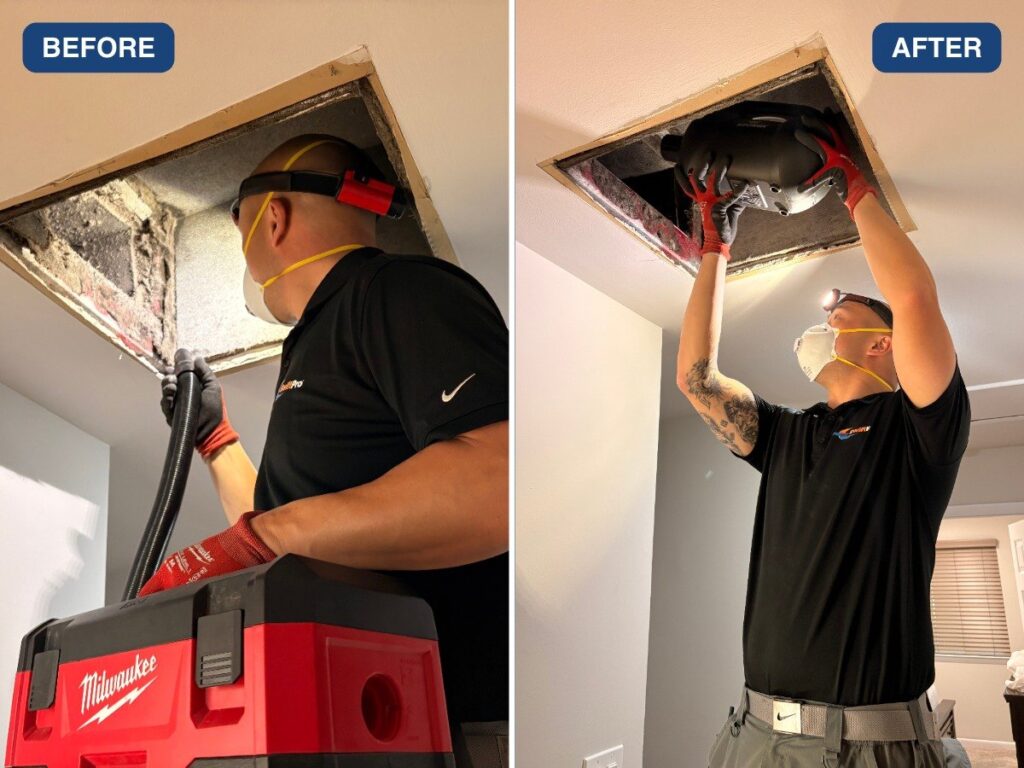
Changing your air filters regularly protects your health, cuts down your energy costs, and keeps your HVAC system running smoothly. Dirty filters create problems that affect the air you breathe and how much you pay each month.
How dirty filters affect indoor air quality
Your air filter traps dust, pollen, pet dander, and other particles as air moves through your HVAC system. When the filter gets clogged, it can’t catch these contaminants effectively. This means more pollutants circulate through your home.
A dirty filter also forces some particles back into your living spaces. You might notice more dust on furniture or experience increased allergy symptoms. The filter sits in your return air duct or blower compartment, and when it’s full, air quality drops fast.
For homes in Loudoun County VA, where seasonal pollen counts run high, improving indoor air quality depends on fresh filters. Most filters need replacement every 1-3 months depending on your household conditions.
Impact on HVAC efficiency and energy bills
A clogged filter blocks airflow through your system. Your HVAC has to work harder to push air through the blocked filter, which uses more electricity.
According to the U.S. Department of Energy (DOE), dirty, clogged HVAC filters reduce airflow and system efficiency, and blocked airflow can allow dirt to bypass the filter and build up on the evaporator coil, which is a common pathway to higher energy use and avoidable service calls.
This extra strain shows up on your monthly energy bills. You’re paying more to heat or cool your home to the same temperature. The blocked airflow also means some rooms might not reach comfortable temperatures.
Your blower motor and other components wear out faster when they work against a dirty filter. This can lead to expensive repairs or early system replacement. Regular filter changes keep your equipment running as designed and extend its lifespan.
Health risks from clogged air filters
Clogged filters allow more allergens and irritants to spread through your home. People with asthma or allergies often notice worse symptoms when filters aren’t changed on schedule.
Dust mites, biological growth spores, and bacteria can build up in dirty filters. These particles then enter your breathing space. Children and elderly family members are especially vulnerable to poor air quality.
Beyond allergies, dirty filters contribute to respiratory irritation and headaches. You might experience dry throat, coughing, or fatigue from breathing contaminated air all day. Clean filters remove these health hazards before they reach your family.
Signs you need duct air filter replacement
Your air filter plays a critical role in keeping your home’s air clean and your HVAC system running smoothly. Dirty or worn-out filters reduce air quality, strain your equipment, and increase energy costs.
Poor airflow or uneven cooling/heating
When your air filter gets clogged with dust and debris, it blocks air from flowing freely through your ductwork. You might notice weak airflow coming from your vents or rooms that never seem to reach the right temperature. Some areas of your home may feel too hot while others stay too cold.
Your HVAC system has to work harder to push air through a dirty filter. This extra strain can lead to longer run times and reduced comfort throughout your home. If you hold your hand up to a vent and barely feel any air coming out, your filter is likely blocking the airflow.
Uneven temperatures often mean your system can’t distribute conditioned air properly. A fresh filter allows air to move without restriction, helping your HVAC maintain consistent temperatures in every room.
Increased dust and allergens in your home
A failing air filter loses its ability to trap particles that circulate through your home. You’ll start seeing more dust settling on furniture, countertops, and windowsills even after you’ve just cleaned. Your family members may experience more allergy symptoms like sneezing, coughing, or itchy eyes.
The filter’s job is to catch dust, pollen, pet dander, and other airborne particles before they enter your living spaces. When it becomes saturated, these particles pass right through and recirculate in your home. You might also notice visible dust around your air vents or on the vent covers themselves.
Poor indoor air quality affects everyone in your household, but it’s especially hard on people with asthma or allergies. Replacing your filter regularly keeps these irritants out of the air you breathe.
Age and condition of your current air filter
Most air filters need replacement every 1 to 3 months depending on several factors. If you have pets, live in a dusty area, or run your HVAC system frequently, you’ll need more frequent changes. A visual inspection tells you a lot about your filter’s condition.
Pull out your filter and hold it up to the light. If you can’t see light passing through it or it looks gray and caked with debris, replace it immediately. Standard disposable filters should never be washed or reused even if they don’t look extremely dirty.
Check the date you last replaced your filter. If it’s been longer than 3 months, install a new one regardless of how it looks. Filters lose effectiveness over time even when they don’t appear visibly dirty.
Choosing the right air filter for your duct system
The filter you select affects both your HVAC system’s performance and the air quality throughout your home. Filter ratings, your specific household needs, and energy efficiency considerations all play a role in finding the best match.
Understanding filter ratings (MERV, HEPA, etc.)
MERV stands for Minimum Efficiency Reporting Value. This rating scale runs from 1 to 16, with higher numbers capturing smaller particles.
According to the U.S. EPA, a MERV rating reports a filter’s ability to capture particles between 0.3 and 10 microns, which helps homeowners compare filtration performance for central HVAC systems when selecting energy-efficient HVAC filters.
Filters rated MERV 1-4 catch large particles like dust and pollen. MERV 5-8 filters trap biological growth spores and pet dander. MERV 9-12 filters capture smaller particles and work well for most Loudoun County homes.
MERV 13-16 filters approach hospital-grade filtration. HEPA filters remove 99.97% of particles but require special housing and may not fit standard residential systems.
Higher MERV ratings create more resistance to airflow. Your HVAC system needs proper capacity to handle filters above MERV 12 without straining the equipment.
Matching filter type to your home’s needs
Most Loudoun County homes use 1-inch thick filters, though some systems require 4-inch filters based on airflow volume. Check your existing filter’s dimensions before buying a replacement.
Homes with pets benefit from MERV 8-11 filters that capture dander and hair. If anyone in your household has allergies or asthma, consider MERV 11-13 filters for better particle removal.
Standard fiberglass filters cost less but need monthly replacement. Pleated filters last 90 days and provide better filtration. Your system only filters air when running, so filters work harder during peak heating and cooling seasons.
Verify the filter size matches your system exactly. Gaps around an incorrectly sized filter let unfiltered air bypass the media entirely.
Energy-efficient options for Loudoun County homes
Energy-efficient HVAC filters balance particle capture with airflow resistance. A clean filter reduces strain on your heating and cooling equipment, which lowers energy bills.
Pleated filters with MERV 8-11 ratings offer good efficiency without excessive airflow restriction. These filters remove common household particles while letting your system operate normally.
Replace filters on schedule to maintain efficiency. A clogged filter forces your HVAC system to work harder and use more energy.
Some manufacturers design filters specifically for reduced airflow resistance. These products use advanced media that captures particles without choking your system. Look for filters labeled as energy-efficient or low-resistance when shopping.
Professional duct air filter replacement process

Professional HVAC air filter replacement in Loudoun involves a systematic approach that ensures your system runs at peak efficiency. Technicians follow specific steps to inspect your system, replace the filter correctly, and verify proper airflow after completion.
Pre-replacement inspection and preparation
A technician starts by turning off your HVAC system to ensure safe access to the filter compartment. They locate the filter housing, which is typically found near the air handler, furnace, or return air vent. The exact location varies depending on your system’s design.
Before removing the old filter, the technician checks for any visible damage to the filter housing or surrounding ductwork. They examine the current filter to determine its MERV rating and size. This information helps them select the right replacement that matches your system’s requirements.
The technician also inspects the area around the filter slot for dust buildup or debris. Any accumulated dust gets cleaned before installing the new filter. They measure the filter dimensions if the size marking has worn off to ensure an exact fit.
Step-by-step replacement procedure
The technician carefully removes the old filter, noting the airflow direction arrows printed on its frame. They dispose of the old filter properly since it contains trapped dust, allergens, and other particles collected during use.
Key installation steps include:
- Checking the new filter’s MERV rating matches system specifications
- Verifying the correct filter size fits snugly without gaps
- Aligning airflow direction arrows to match system requirements
- Securing the filter housing door or access panel completely
The technician ensures the filter sits flush in its slot with no gaps around the edges. Gaps allow unfiltered air to bypass the filter and enter your ductwork. They confirm the filter frame is not bent or damaged during installation.
Professional air filter service includes documenting the installation date and filter specifications for your maintenance records.
Testing airflow and system performance after replacement
After installing the new filter, the technician turns your system back on and lets it run for several minutes. They listen for unusual noises that might indicate improper installation or airflow restrictions.
The technician measures airflow at several vents throughout your home using specialized tools. Strong, consistent airflow indicates proper filter installation. Weak airflow might suggest the wrong filter density or installation issues.
They check the return air vents to ensure adequate air intake. The technician also monitors the system’s pressure readings to confirm the new filter allows proper airflow without straining the blower motor. Some technicians use a manometer to measure pressure drop across the filter.
Your HVAC system should cycle normally without short cycling or extended run times after the replacement.
Maintenance tips for long-term air quality
Keeping your air quality high requires regular filter changes, clean ductwork, and professional system checks. These practices work together to maintain healthy indoor air and keep your HVAC system running well.
Recommended filter replacement schedule
Replace your air filters every 1 to 3 months for best results. The exact timing depends on several factors in your home.
Change filters monthly if you have pets, allergies, or live in a high-dust area. Homes with multiple pets need more frequent changes because pet hair and dander clog filters faster. If you run your HVAC system constantly, your filters work harder and need replacing sooner.
Standard homes without pets can wait up to 3 months between changes. Check your filter each month even if you don’t plan to replace it. Hold it up to light. If you can’t see through it, it needs changing.
Write your replacement date on the filter frame with a marker. Set phone reminders for monthly checks. Buy filters in bulk so you always have replacements ready. Keep spare filters near your HVAC unit for easy access.
Cleaning vents and ductwork to support airflow
Clean your vents every 3 to 6 months to maintain proper airflow. Dust and debris on vents restrict air movement and reduce system performance.
Remove vent covers and wash them with warm soapy water. Vacuum inside the ducts as far as your vacuum hose reaches. Wipe down the visible ductwork with a damp cloth to remove dust buildup.
Signs you need duct cleaning:
- Visible dust blowing from vents
- Musty odors when system runs
- Uneven heating or cooling between rooms
- Increased dust on furniture after cleaning
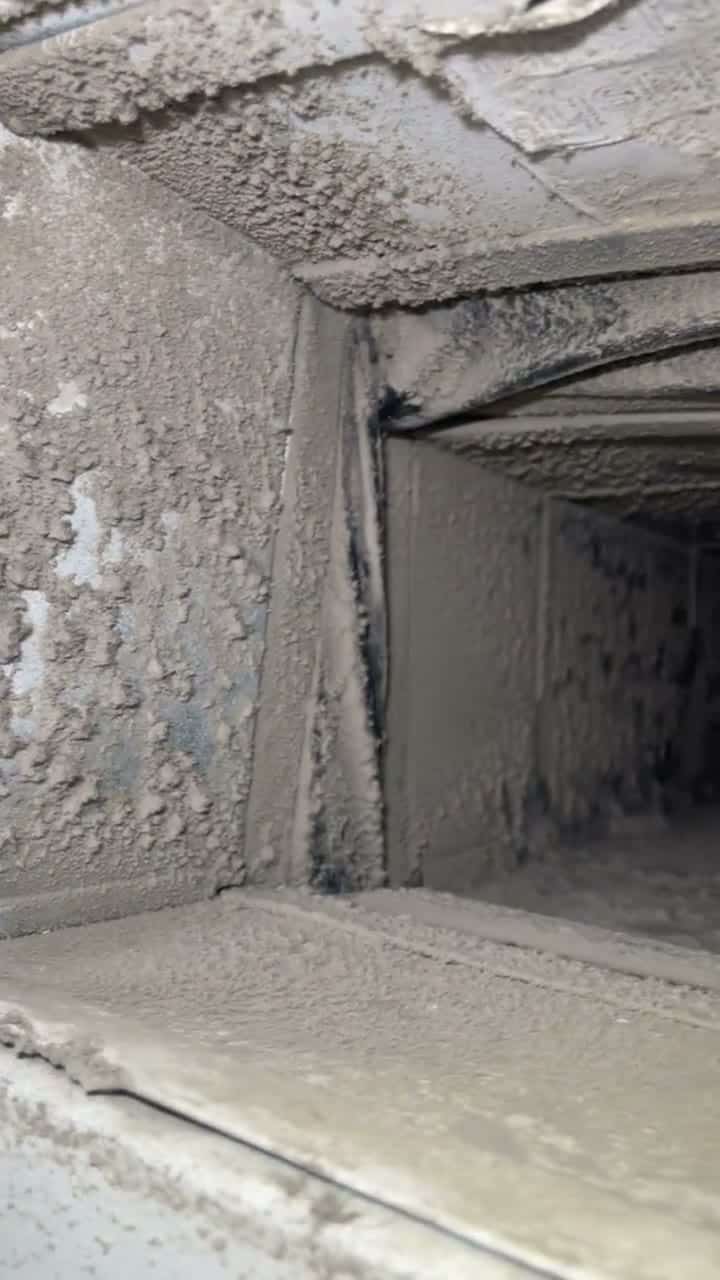
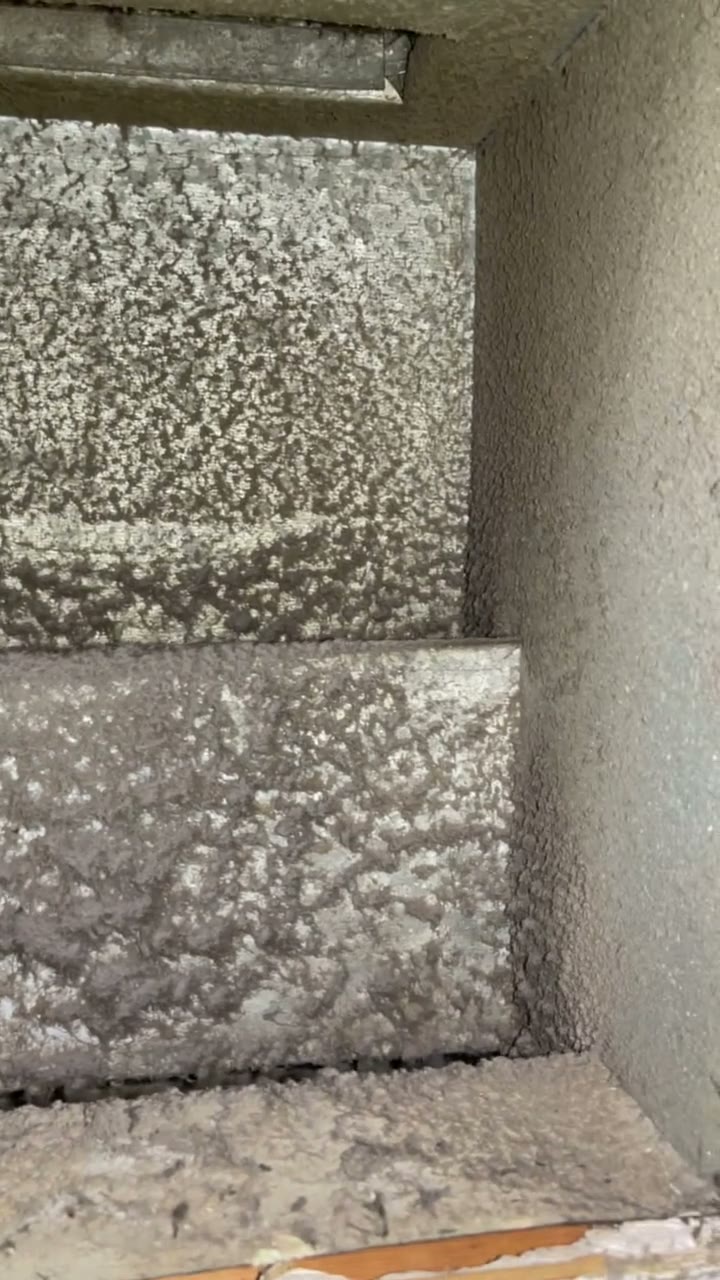
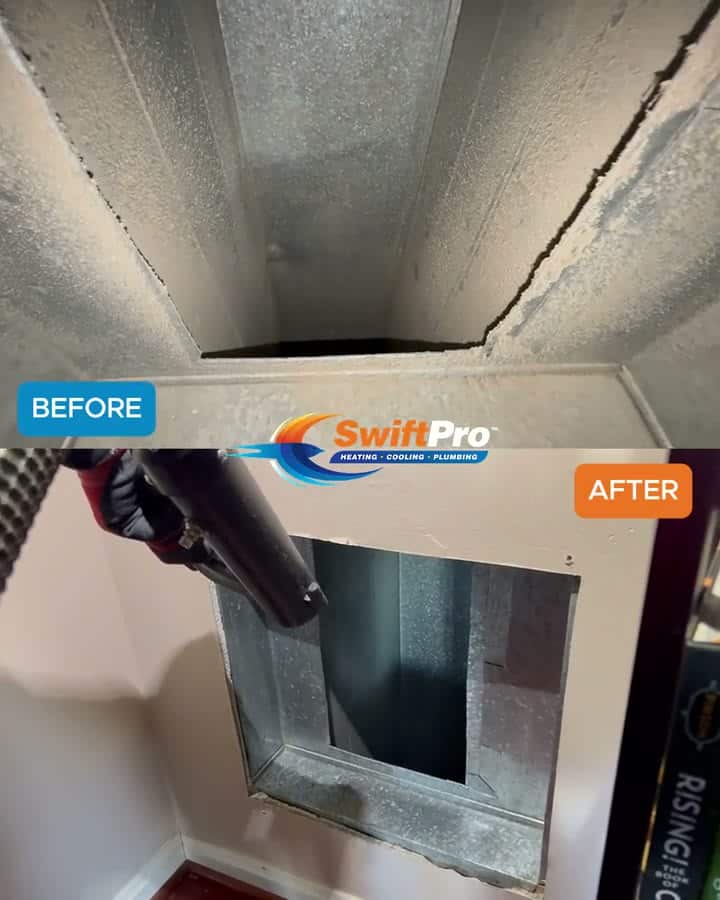
Professional duct cleaning every 3 to 5 years removes deep buildup your regular cleaning can’t reach. This service becomes more important if you’ve had home renovations, water damage, or notice biological growth.
Scheduling routine professional inspections
Schedule HVAC inspections once per year to catch problems early. Spring or fall appointments work best, before heavy summer cooling or winter heating seasons start.
Professional technicians check components you can’t easily access. They test airflow levels, inspect ductwork seals, and verify your system operates at peak performance. These inspections find small issues before they become expensive repairs.
Your technician will examine the blower motor, check refrigerant levels, and test thermostat accuracy. They clean internal components that affect air quality. Many problems show no obvious signs until equipment fails.
Annual maintenance costs less than emergency repairs. Most HVAC companies offer maintenance plans that include priority service and discounted repairs.
Ensure Optimal HVAC Performance with Regular Filter Maintenance
Regular duct air filter replacement protects your home’s air quality and keeps your HVAC system running efficiently. When you change filters on schedule, you reduce dust buildup and prevent strain on your heating and cooling equipment.
Most homes in Loudoun County need filter changes every 1-3 months depending on usage and filter type. Homes with pets, allergies, or high occupancy may require more frequent changes.
You can handle basic filter replacement yourself or hire a professional service. Many local companies in Loudoun County offer filter replacement as part of routine maintenance packages. This ensures you never miss a scheduled change.
Keep track of your last replacement date and check filters monthly. A dirty filter appears gray or brown and blocks light when held up. Don’t wait until your system shows problems to take action.
Your HVAC system works hard to maintain comfort year-round. Clean filters are a simple but important part of home maintenance. Set reminders on your phone or calendar to check filters regularly. This small task makes a big difference in your home’s air quality and your system’s performance.
Schedule duct air filter replacement with SwiftPro in Loudoun County, VA so a licensed HVAC technician can install the correct filter type and size, restore proper airflow, and help improve indoor air quality without overloading your system.
Watch our crew clean ducts and vents
Real jobs in Northern Virginia homes, filmed by our own crew. Tap one to watch.