
By Tyler Griffin, SwiftPro Heating, Cooling & Plumbing
Experiencing cold air blowing from your HVAC system in winter can be frustrating and concerning. This problem can stem from various issues, ranging from minor thermostat settings to more significant mechanical failures. Understanding why your HVAC blows cold air and knowing how to troubleshoot the problem can save you time, money, and discomfort during the chilly months. In this article, we’ll delve into the common causes of cold air from your heating system, along with practical troubleshooting methods and guidance on when to contact a professional for repair.
We will cover several key areas: common causes of cold air in your HVAC, troubleshooting methods, and signs that indicate it’s time to call a technician. By the end of this guide, you will have a clearer understanding of your HVAC system’s performance and how to address any issues that arise.
Common Causes
Identifying the typical reasons why HVAC systems blow cold air can help homeowners troubleshoot effectively. Some of the most common causes include:
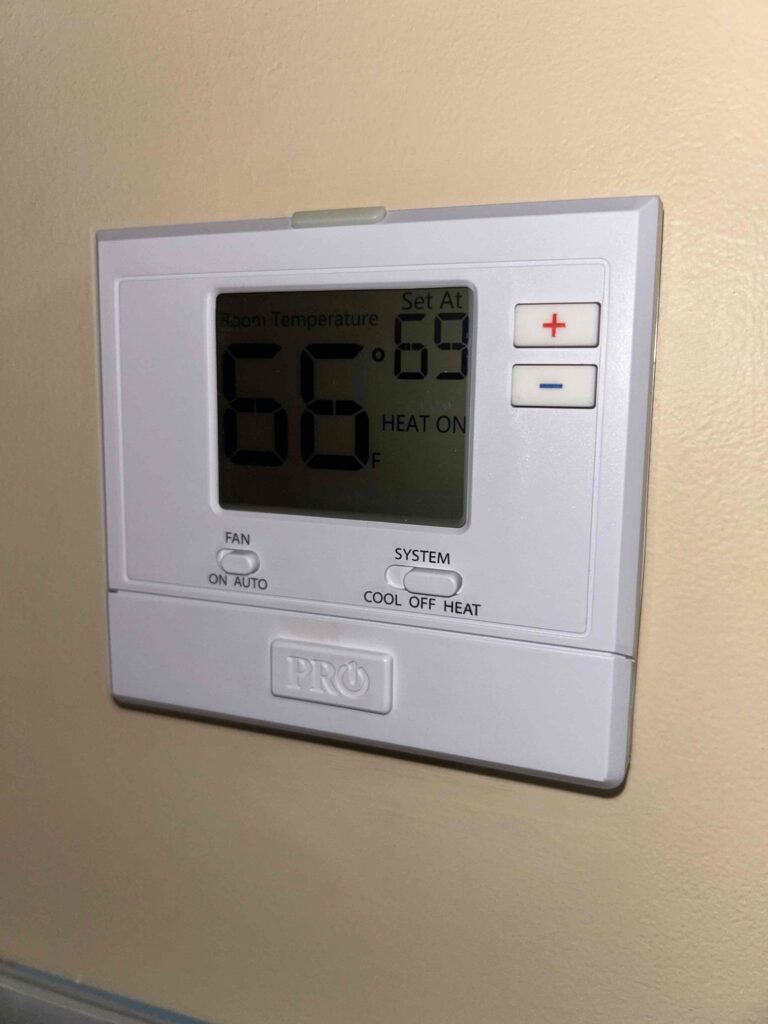
- Incorrect Thermostat Settings: If your thermostat is set to “cool” mode or the temperature is set too low, your system will blow cold air. Always check the settings first.
- Clogged Air Filters: Dirty or clogged air filters can restrict airflow, causing the heating system to malfunction and distribute cold air instead.
- Blocked Outdoor Unit: If your outdoor unit is blocked by debris, it can affect the system’s efficiency and lead to inadequate heating.
Recognizing these causes allows homeowners to take initial troubleshooting steps before seeking professional assistance.
Troubleshooting Methods
Here are some simple steps homeowners can take to troubleshoot their HVAC issues effectively:
- Check Thermostat Settings: Ensure your thermostat is set to “heat” and adjust the temperature to a comfortable level.
- Inspect Air Filter: Look for dirt or clogs in your air filter. If dirty, replace it promptly.
- Monitor Heat Pump Behavior: If you have a heat pump, pay attention to any unusual noises or cycles—this could indicate a problem with the system.
By following these troubleshooting steps, many minor issues can potentially be resolved, thus restoring your heating system’s performance.
When to Contact a Professional
Guidance on knowing when to seek professional help for HVAC issues is vital for homeowners. Here are key indicators:
- Persistent Issues: If your HVAC continues to blow cold air despite troubleshooting, it’s time to call a professional.
- Electrical Problems: Any signs of electrical issues, such as tripped breakers or burnt smells, warrant immediate attention from a technician.
- Leaky Ductwork: If you notice high energy bills alongside cold air from your vents, leaky ducts could be contributing to the problem.
Taking these signs seriously can prevent further damage to your HVAC system.
What Are the Common Reasons My Furnace or Heater Blows Cold Air?
Examining frequent causes of heating systems blowing cold air reveals several common issues:
- Pilot Light Issues: A blown-out pilot light can prevent your furnace from generating heat.
- Mechanical Failures: Components such as the blower motor may fail, disrupting airflow and causing cold air to blow.
- Neglected Maintenance: Regular maintenance, including cleaning and inspections, is essential for preventing issues that lead to cold air.
Understanding these potential problems helps homeowners take proactive measures.
How Does a Thermostat Malfunction Cause Heating Issues?
A malfunctioning thermostat can significantly impact heating efficiency:
- Incorrect Settings: Incorrectly programmed thermostats may cause the system to operate inefficiently.
- Wiring Issues: Problems with the thermostat wiring can disrupt the signal to the heating unit.
- Faulty Thermostat: Sometimes the thermostat itself may fail, rendering it unable to accurately gauge temperature.
Addressing thermostat issues promptly can restore proper heating function.
What Furnace Problems Lead to Cold Air in Winter?
Identifying furnace-related issues that cause cold air can help homeowners address the situation efficiently:
- Incorrect Thermostat Settings: As noted earlier, ensure the thermostat is correctly set.
- Clogged Air Filter: Regularly changing filters is crucial for system operation.
- Heat Pump in Defrost Mode: If the heat pump is in defrost mode, it will blow cool air to clear ice but should return to heating mode afterward.
Understanding how these factors interact can aid in diagnosing heating problems.
How Can You Troubleshoot Heating System Cold Air Problems Yourself?
DIY troubleshooting for cold air from heating systems can be effective. Homeowners can follow these practical steps:
- Check Thermostat Settings: Verify that the system is set to heat and is functioning correctly.
- Inspect Air Filter: Look for any obstructions and replace filters if dirty.
- Examine Outdoor Unit: Ensure the outdoor unit is clear of snow, ice, or debris.
Performing these checks can often mitigate the issue before professional services are needed.
What Simple Checks Can Identify Thermostat or Filter Issues?
Basic checks can effectively diagnose thermostat and filter problems:
- Thermostat Mode Check: Confirm the thermostat is set to heat and operating correctly.
- Inspect Air Filter Condition: A visual inspection can quickly identify if a filter needs replacement.
Performing these checks can save homeowners from unnecessary service calls.
When Are Blower Motor or Pilot Light Problems the Cause?
Exploring issues with blower motors and pilot lights is essential for proper HVAC function:
- Pilot Light Checks: If the pilot light is out, your furnace will not operate. Reignite it following manufacturer instructions.
- Blower Motor Symptoms: Listen for unusual sounds or check for irregular operation, which can signify blower issues.
Diagnosing issues with these components can lead to timely repairs.
Why Is Ductwork Important for Efficient Heating and How Do Leaks Affect Warmth?
Ductwork plays a critical role in your HVAC system’s heating efficiency:
- Heat Loss Through Duct Leaks: When ducts leak, heated air escapes, reducing overall efficiency.
- Impact on Efficiency: Leaky ducts can cause uneven heating across your home, leading to discomfort and increased energy bills.
Ensuring your ductwork is in good condition is vital for optimal HVAC performance.
How Do Duct Leaks Reduce Heating System Performance?
Duct leaks significantly diminish heating performance by:
- Losing Efficiency: Leaks can cause the system to work harder, leading to costly energy bills.
- Increasing Costs: The additional strain on the system may lead to more frequent repairs and early replacement.
Regular inspections can reveal duct issues before they become significant problems.
What Are Signs Your Ducts Need Cleaning or Repair?
Identifying indicators of dirty or damaged ducts is crucial for maintaining HVAC health:
- Inconsistent Temperatures: Fluctuations in home temperature can signal duct issues.
- Increased Dust: A noticeable increase in household dust could indicate duct contamination.
- Unusual Noises: Sounds such as whistling or banging may point to blockages or loose connections in the ductwork.
Monitoring these signs can help keep your HVAC system running efficiently.
When Should You Call a Professional HVAC Technician for Cold Air Issues?
Guidelines for reaching out to professionals for HVAC issues include:
- Signs of Serious Problems: Indicators such as persistent cold air, strange noises, or high energy bills can signal major issues.
- Risks of Delaying Repairs: Ignoring these signs can lead to more extensive damage and higher costs.
- Typical Response Times: Professionals can assess and repair problems quickly, often with preventive measures to enhance system longevity.
When in doubt, consulting with an HVAC technician can provide peace of mind.
What Heating System Problems Require Expert Repair?
Identifying heating system issues needing professional assistance can help homeowners act fast:
- Pilot Light Issues: If the pilot light won’t stay lit, call a technician.
- Mechanical Failures: Frequent repairs may indicate extensive underlying problems.
- Frequent Repairs: Inefficiency often leads to recurring service calls.
Recognizing these conditions can lead to timely professional intervention.
How Can You Use Online Tools to Estimate Repair Costs?
Explaining how to estimate HVAC repair costs online offers practical insights:
- Using Online Estimators: Many reputable HVAC websites provide tools to estimate repair costs based on common problems and solutions. This allows homeowners to get a preliminary idea of potential expenses before contacting a service provider.
- Factors Affecting Repair Costs: Consider factors like make and model, age of the unit, and the extent of the required repair.
Utilizing these tools can prepare homeowners for financial implications before seeking service.
What Preventative Maintenance Steps Help Avoid Furnace Cold Air Problems?
Listing maintenance steps to prevent cold air issues ensures efficient winter heating:
- Regular Filter Changes: Replacing air filters monthly can prevent airflow issues.
- Professional Inspections: Annual HVAC check-ups by a technician can identify and resolve issues early.
- Cleaning Burners: Keeping burners clean and free of debris is essential for furnace efficiency.
Adhering to these steps may significantly reduce the risk of experiencing cold air from your HVAC system.
How Often Should You Change Filters and Clean Ducts?
Providing guidelines for filter changes and duct cleaning helps maintain optimal HVAC performance:
- Filter Change Frequency: It’s advisable to replace filters every 1-3 months, depending on usage and type.
- Duct Cleaning Timelines: Professional duct cleaning is recommended every 3-5 years.
These practices contribute to better air quality and heating efficiency.
What Role Does Regular Furnace Servicing Play in Winter Comfort?
Discussing the importance of regular servicing in maintaining heating efficiency cannot be overstated:
- Maintenance Frequency: Schedule annual HVAC inspections to ensure optimal performance.
- Servicing Benefits: Regular maintenance helps prolong the lifespan of your system and reduces emergency repairs.
Investing in regular servicing can significantly enhance winter comfort for homeowners.
Understanding foundational diagnostic principles helps clarify why furnaces sometimes fail to deliver adequate heat.
Troubleshooting Heating Failures and Pilot Light Issues
This problem could be due to the heater’s inability to keep up with the heat loss in the house, or the lack of burning fuel caused by an extinguished pilot light or A general expert system design for diagnostic problem solving, 1985