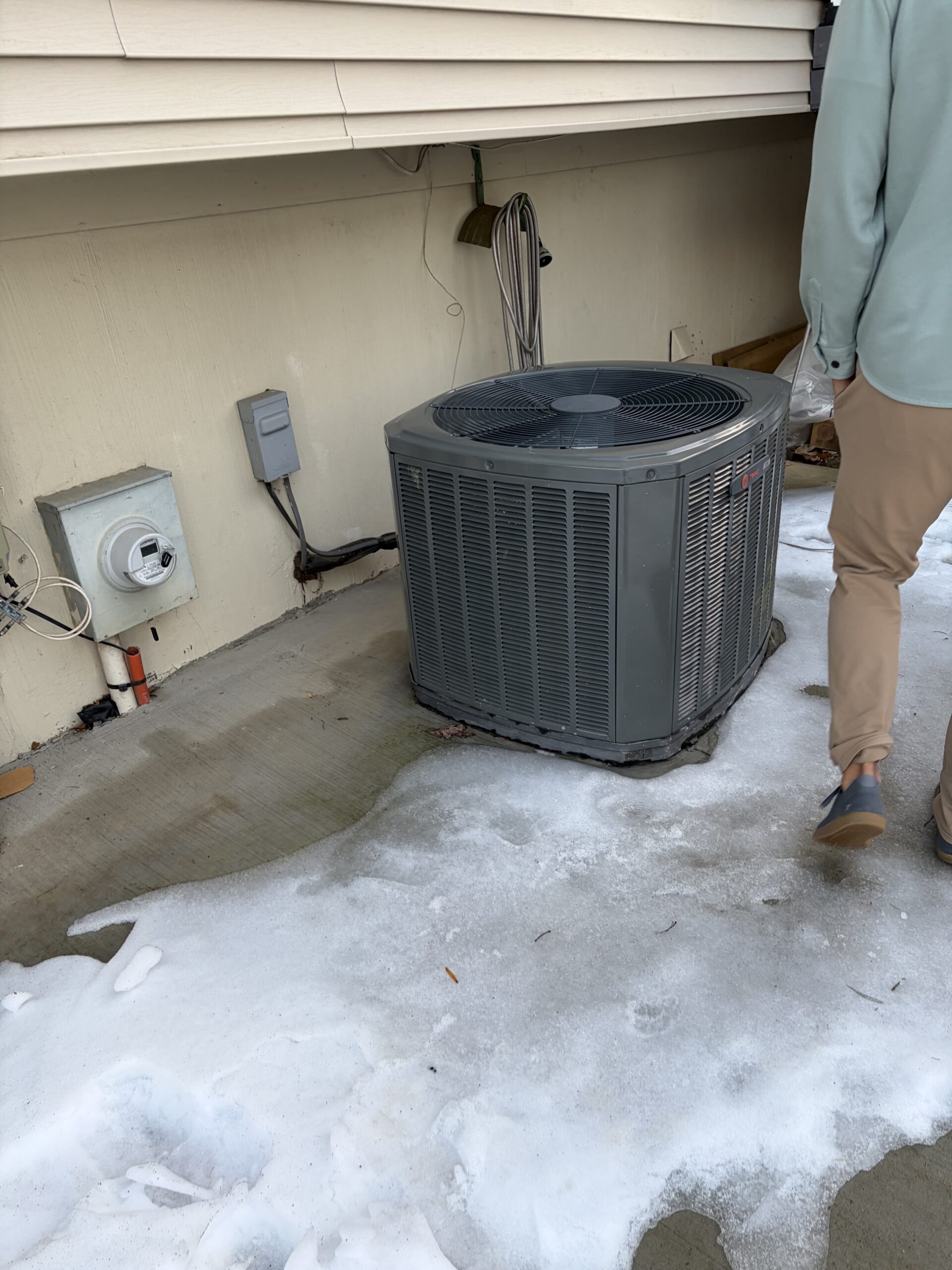
Upgrading your heat pump can lower your energy bills, improve home comfort, and reduce your environmental impact. Arlington County homeowners who switch to modern heat pump systems often see significant savings on heating and cooling costs while enjoying more consistent temperatures year-round.
Many local HVAC companies offer professional upgrade services that handle everything from system selection to installation.
Heat pumps have become increasingly popular in Arlington County because they work efficiently in the region’s climate. Unlike older systems, new heat pumps can both heat and cool your home using less energy. They pull heat from outside air even in cold weather and reverse the process during summer months.
This guide walks you through the upgrade process from start to finish. You’ll learn how to choose the right system for your home, what to expect during installation, and how to keep your new heat pump running smoothly for years to come.
Here’s what you’ll find below:
- Why upgrade your heat pump?
- Choosing the right heat pump for your home
- Planning for a professional heat pump upgrade
- The heat pump upgrade installation process
- Maintenance tips to extend heat pump life
Let’s dive in!
Why upgrade your heat pump?
Upgrading your heat pump can lower energy bills, increase comfort, and reduce the need for costly repairs. Modern systems offer better efficiency ratings and advanced features that older models lack.
Benefits of energy-efficient heat pumps
New heat pumps use significantly less electricity than models from 10 or 15 years ago. Current high-efficiency units carry SEER2 ratings of 16 or higher, which means they consume less power while delivering the same heating and cooling output.
Modern air-source heat pumps can reduce electricity use by about 50% compared to furnaces and baseboard heaters, which is a key reason a heat pump upgrade service can materially lower operating costs in Arlington County when the system is properly sized and installed, per the U.S. Department of Energy (DOE).
Your monthly utility bills will drop after installation. A modern heat pump can reduce energy costs by 30 to 40 percent compared to an older system.
Key advantages include:
- Lower operating costs throughout the year
- Reduced carbon footprint and environmental impact
- Quieter operation with improved compressor technology
- Better humidity control during summer months
- Advanced features like variable-speed fans and smart thermostats
Many Arlington County residents also qualify for local rebates and federal tax credits when they install high-efficiency systems. These incentives can offset a portion of the heat pump replacement cost.
Per the IRS, qualifying electric or natural gas heat pumps can be eligible for an Energy Efficient Home Improvement Credit of up to $2,000 per year, and eligible costs may include installation labor—so incentives can factor into your heat pump replacement cost planning.
How upgrades improve home heating and cooling
Modern heat pumps distribute air more evenly throughout your home. Variable-speed technology adjusts output based on current conditions rather than simply turning on and off.
You won’t experience the temperature swings common with older systems. Rooms that were previously too hot or too cold will maintain consistent comfort levels.
Newer models also perform better in cold weather. Cold-climate heat pumps can extract heat from outdoor air even when temperatures drop below 5°F. This means reliable heating during Virginia winters without relying on backup electric resistance heat.
Smart controls let you adjust settings remotely and create custom schedules. You can monitor energy usage and receive maintenance alerts through mobile apps.
Signs your current heat pump needs replacement
Your system may be nearing the end of its useful life if it requires frequent repairs. Multiple service calls within a year indicate declining reliability.
Rising energy bills despite normal usage patterns suggest reduced efficiency. Compare your current bills to those from previous years to identify unusual increases.
Watch for these warning signs:
- The system is 10 to 15 years old
- Uneven temperatures between rooms
- Strange noises like grinding, squealing, or rattling
- The unit struggles to reach thermostat settings
- Visible rust or refrigerant leaks around the outdoor unit
If repair costs exceed 50 percent of a new system’s price, replacement makes better financial sense. Your HVAC technician can provide a detailed cost comparison during an inspection.
Choosing the right heat pump for your home
Selecting the proper heat pump involves understanding your home’s size and heating requirements, knowing what efficiency ratings mean for your utility bills, and identifying which modern features will benefit your daily comfort.
Matching capacity to your home’s heating and cooling needs
Heat pump capacity is measured in tons, which refers to cooling power. A typical home needs between 2 to 5 tons of capacity depending on square footage. A unit that’s too small will struggle to maintain comfortable temperatures and run constantly. An oversized unit will cycle on and off frequently, wasting energy and creating uneven temperatures.
Your home’s insulation quality, number of windows, ceiling height, and local climate all affect the size you need. A professional load calculation accounts for these factors to determine the right capacity. Most Arlington County homes between 1,200 and 1,500 square feet need a 2 to 2.5 ton unit. Homes from 1,800 to 2,500 square feet typically require 3 to 3.5 tons.
Ductwork condition matters too. Leaky or poorly insulated ducts can reduce system efficiency by up to 30%, which means you might need a larger unit to compensate.
Energy efficiency ratings explained
SEER2 measures cooling efficiency, while HSPF2 measures heating efficiency. Higher numbers mean better efficiency and lower operating costs. The minimum SEER2 rating for new heat pumps is 14.3 in Northern Virginia, but an energy-efficient heat pump Arlington VA residents install often ranges from 16 to 20+ SEER2.
As of January 2023, DOE notes that heat pump efficiency is reported using SEER2 and HSPF2 (updated metrics that better reflect real-world duct system airflow resistance), which is why comparing older “SEER/HSPF” ratings to new equipment requires an apples-to-apples conversation during system selection
A heat pump with 18 SEER2 uses about 20% less energy than a 14 SEER2 model. For heating, look for HSPF2 ratings of 8.0 or higher. The best models reach 10 HSPF2 or more.
Energy Star certified pumps meet strict efficiency guidelines and can save you $100 to $300 annually on utility bills compared to standard models. The upfront cost difference typically pays for itself within 3 to 5 years through energy savings.
Modern features that enhance performance
Variable-speed compressors adjust output to match your exact heating or cooling needs. They run at lower speeds most of the time, which reduces energy use by 30 to 50% compared to single-speed models. These systems also remove more humidity and maintain steadier temperatures.
Smart thermostats learn your schedule and preferences while allowing remote control from your phone. They can reduce energy waste by up to 23% through automated temperature adjustments.
Two-stage heating provides a low setting for mild weather and a high setting for extreme temperatures. Zoning systems let you control temperatures in different areas independently, which stops you from heating or cooling empty rooms. Cold climate heat pumps work efficiently in temperatures down to -15°F, making them reliable for Virginia winters.
Planning for a professional heat pump upgrade
A successful heat pump upgrade requires careful planning and coordination with qualified technicians. The process involves technical assessments of your home, physical preparation of the space, and attention to safety requirements that protect both your property and the new equipment.
Pre-installation inspection and load calculation
A professional HVAC service Arlington County technician will perform a detailed inspection of your home before installation begins. This assessment measures your home’s square footage, insulation quality, window efficiency, and existing ductwork condition. The technician uses this information to complete a load calculation, which determines the exact heating and cooling capacity your home needs.
Load calculations prevent two common problems: undersized systems that struggle to maintain comfort and oversized systems that cycle on and off too frequently. The calculation accounts for your home’s layout, ceiling heights, sun exposure, and number of occupants. Your technician will also evaluate your electrical panel to confirm it can handle the new heat pump’s power requirements.
Most inspections take 60 to 90 minutes. The technician will identify any necessary repairs to ductwork or electrical systems before installation day.
Preparing your home for installation day
Clear a path from your driveway to the installation areas, both inside and outside your home. Remove furniture, decorations, and stored items from around your existing HVAC equipment and thermostat locations. Outdoor preparation includes trimming bushes or plants near where the outdoor unit will sit.
Your pets should be secured in a separate room during installation. Children should stay in areas away from work zones.
Technicians need access to your electrical panel, attic, and basement if applicable. Cover nearby furniture with sheets if work happens in finished spaces. Plan for your heating or cooling to be unavailable for 4 to 8 hours during installation.
Safety and clearance considerations
Heat pumps require specific clearances to operate safely and efficiently. The outdoor unit needs 24 inches of clear space on all sides for proper airflow. Keep the area free from shrubs, fences, air conditioning covers, and stored equipment.
Install the outdoor unit on a stable concrete pad or mounting brackets. The location should allow condensate drainage away from your foundation. Avoid placing the unit directly under roof eaves where snow or ice could fall onto it.
Indoor components need clearance for maintenance access. Your technician will ensure proper spacing from combustible materials and verify that all electrical connections meet local building codes.
The heat pump upgrade installation process
A professional heat pump upgrade follows a structured approach that protects your home and ensures the new system works properly. The process typically takes 6 to 12 hours for standard replacements, though complex upgrades may require up to two days.
Removing the old system and preparing components
Your technician will start by safely disconnecting the old heat pump from electrical and refrigerant lines. This involves recovering any remaining refrigerant according to EPA regulations and shutting off power to the unit at your circuit breaker.
The outdoor condenser unit comes out first, followed by the indoor air handler. Technicians will inspect the existing mounting pad, electrical connections, and refrigerant lines to determine what needs replacement or modification.
Key preparation tasks include:
- Checking the condensate drain for proper function
- Evaluating existing ductwork for leaks or damage
- Measuring the installation area for the new equipment
- Preparing mounting surfaces and securing loose connections
If you’re upgrading to a more efficient model with different specifications, your technician may need to modify the electrical panel or install new wiring to handle the power requirements.
Installing the new heat pump efficiently
The installation crew positions the new outdoor unit on a level pad and secures it properly. They connect refrigerant lines, either using existing lines if compatible or installing new copper tubing for better performance.
Inside your home, technicians mount the air handler and connect it to your ductwork. They’ll install a new thermostat if your upgrade includes one, running fresh wiring as needed for smart or advanced models.
Critical installation steps:
- Charging the system with the correct amount of refrigerant
- Sealing all duct connections to prevent air leaks
- Installing a new filter and setting up drainage
- Connecting all electrical components per manufacturer specs
Testing and calibrating the system for optimal performance
Once everything is connected, your technician will start the system and monitor its operation closely. They’ll check refrigerant pressures, airflow rates, and temperature differentials to confirm the heat pump is working as designed.
The calibration process involves adjusting thermostat settings, programming schedules if applicable, and balancing airflow throughout your home. Technicians will test both heating and cooling modes to verify proper function in all operating conditions.
Your installer will also demonstrate how to use your new system and explain maintenance requirements. They’ll provide documentation about warranty coverage and recommended service schedules to keep your heat pump running efficiently.
Maintenance tips to extend heat pump life
Regular maintenance keeps your upgraded heat pump running efficiently and can add years to its lifespan. A well-maintained system uses 10% to 25% less energy than one that’s been neglected.
Recommended maintenance schedule for upgrades
Your new heat pump needs attention twice per year to perform at its best. Schedule professional tune-ups in spring and fall before peak heating and cooling seasons start.
Spring maintenance prepares your system for summer cooling demands. A technician checks refrigerant levels, tests electrical connections, and cleans outdoor coils. Fall service gets your heat pump ready for winter heating needs.
Between professional visits, check your system monthly. Look at the outdoor unit for debris, ice buildup, or damage. Listen for unusual sounds when the system runs. Keep the area around your outdoor unit clear with at least two feet of space on all sides.
New heat pumps still need this regular care even though they’re freshly installed. Starting good maintenance habits right away protects your investment from day one.
Cleaning and filter replacement best practices
Air filters need replacement every 30 to 90 days depending on usage and air quality. Homes with pets or allergies require more frequent changes. Dirty filters force your heat pump to work harder and waste energy.
Check your filter monthly by holding it up to light. Replace it if you can’t see light passing through clearly. Write the installation date on each new filter with a marker to track replacement timing.
Clean your outdoor unit’s coils twice per year. Turn off power to the unit first. Remove leaves, grass clippings, and dirt from fins using a soft brush or garden hose on low pressure. Bent fins reduce airflow and efficiency.
Vacuum indoor vents and registers every few months. Dust buildup blocks airflow and reduces system performance. Keep furniture and curtains away from vents so air can circulate freely.
When to call a professional for inspections or service
Contact a technician immediately if you notice ice on your outdoor unit during cooling mode. Ice buildup signals refrigerant problems or airflow issues that damage your system if left unaddressed.
Strange noises like grinding, squealing, or banging require professional attention. These sounds often indicate worn parts that need replacement before they cause bigger problems.
Call for service when your heat pump runs constantly but doesn’t reach the set temperature. This issue wastes energy and suggests your system isn’t working properly. Rising energy bills without increased usage also signal efficiency problems.
Weak airflow from vents means blocked ducts or fan issues. A professional can diagnose and fix these problems quickly. Water leaks around your indoor unit need immediate attention to prevent damage to your home.
Conclusion
A heat pump upgrade can transform how you heat and cool your home in Arlington County. Modern systems use less energy while keeping your family comfortable year-round.
Working with experienced local contractors gives you access to quality brands and professional installation. They know the climate in Arlington County and understand which systems work best for homes in the area.
You should schedule an inspection with a qualified HVAC company to assess your current system. They can help you choose the right size and model for your home’s needs.
Most Arlington County contractors offer maintenance plans after installation. Regular tune-ups keep your new heat pump running efficiently and can prevent costly repairs down the road.
Don’t wait until your old system fails completely. Planning your upgrade now gives you time to compare options and find the best solution for your budget. Many companies offer financing to make the investment more manageable.
Your next step is contacting local heat pump specialists for quotes. Ask about their experience, warranties, and timeline for installation. A reliable contractor will answer your questions clearly and provide a detailed estimate before starting any work.
Schedule an in-home evaluation and written estimate with Swift Pro for a heat pump upgrade in Arlington County, VA so a licensed technician can complete a load calculation, verify electrical and duct compatibility, and install an energy-efficient system sized for your home.