


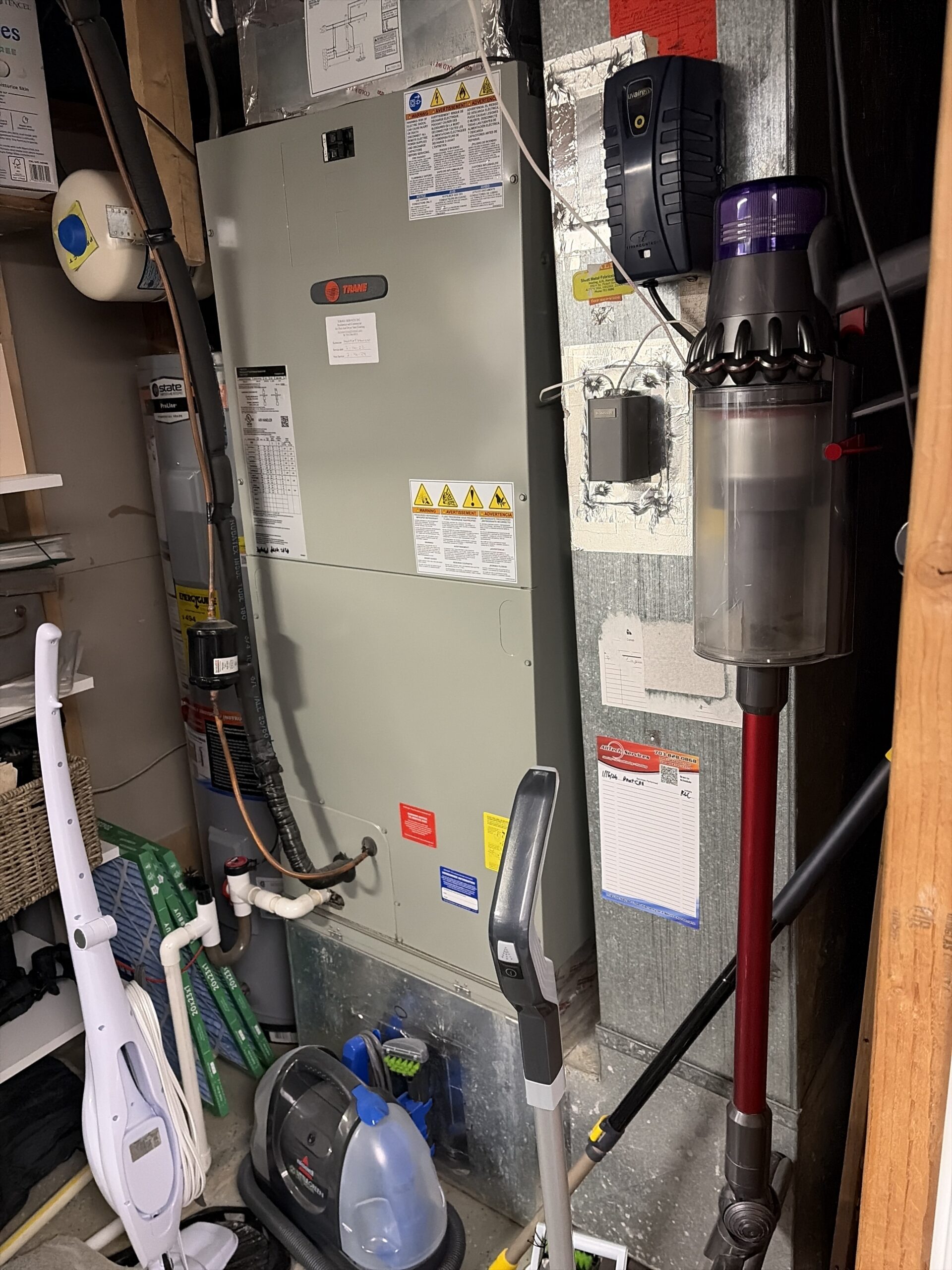
When your heating or cooling system fails in the middle of extreme weather, it’s more than just uncomfortable—it can be a serious problem. HVAC emergency repair is a fast-response service that fixes critical heating and cooling failures any time of day or night to restore comfort and safety to your home. These situations require quick action to prevent further damage and protect your family.
Not every HVAC problem needs emergency attention, but some issues can’t wait until regular business hours. Strange noises, complete system shutdowns, gas smells, or extreme indoor temperatures are signs you need help right away. Understanding what counts as a real emergency helps you make the right call when something goes wrong.
This guide will walk you through everything you need to know about emergency HVAC repairs. You’ll learn how to spot urgent problems, what to expect from professional repair services, and how to prevent future emergencies.
Here’s what you’ll find below:
- What is HVAC emergency repair?
- Common HVAC issues that require emergency repair
- Signs your HVAC system needs immediate attention
- How HVAC emergency repair works
- Benefits of professional HVAC emergency repair
- DIY vs professional emergency HVAC repair
- How to prepare for future HVAC emergencies
- Why choose Go Swift Pro for HVAC emergency repair
You’ll also discover when it’s safe to try fixes yourself and when you need to call the experts immediately.
What is HVAC emergency repair?
HVAC emergency repair addresses urgent heating, cooling, or ventilation system failures that threaten your comfort, safety, or property. These situations require immediate attention, often outside normal business hours, because waiting can lead to health risks or significant damage.
Defining HVAC emergency repair
Emergency HVAC repair means getting immediate professional help when your heating or cooling system fails and creates unsafe conditions. This service operates 24/7 to handle urgent situations that cannot wait until regular business hours.
An emergency HVAC service differs from scheduled appointments because it responds to sudden breakdowns that put you or your property at risk. These repairs address problems that demand quick action to prevent health issues, property damage, or dangerous conditions.
The service includes diagnosing the problem, performing necessary repairs, and restoring your system to safe operation. Technicians who handle emergencies come prepared with common parts and tools to fix issues on the spot when possible.
Difference between routine service and emergency service
Routine HVAC service involves scheduled maintenance, tune-ups, and minor repairs that can wait for a convenient appointment time. You plan these visits in advance, often during off-peak seasons when problems are not urgent.
Emergency service responds to sudden failures that create immediate problems. You call for emergency help when your system stops working during extreme weather or when the failure creates dangerous conditions.
Key differences include:
- Timing – Routine service happens during business hours; emergency service is available 24/7
- Cost – Emergency calls typically cost more due to after-hours labor
- Urgency – Routine work can wait days or weeks; emergencies need immediate attention
- Planning – You schedule routine service; emergencies happen without warning
Residential vs. commercial emergency calls
Residential emergency HVAC calls usually involve single-family homes or small apartments where one or a few people face discomfort or risk. These calls often happen during extreme weather when heating or cooling failure affects your family’s safety.
Commercial emergencies impact businesses, offices, or large buildings where many people depend on the system. These situations can affect customer comfort, employee productivity, and even product storage requirements.
Commercial calls may get priority response because they affect more people and can cause business losses. However, residential emergencies involving vulnerable people like elderly residents or young children also receive urgent attention.
Both types require fast response, but commercial emergencies may involve larger, more complex systems that take longer to repair.
Why HVAC emergencies shouldn’t wait
Delaying emergency HVAC repair can turn a simple problem into an expensive disaster. Small issues often get worse quickly, causing more damage to your system and increasing repair costs.
Extreme temperatures put your health at risk when your HVAC system fails. Heat-related illness can develop in hours during summer, while freezing pipes and hypothermia become concerns during winter breakdowns.
Your property faces real damage when you wait too long. Frozen pipes can burst and flood your home. High humidity from failed air conditioning can create mold growth within 24-48 hours.
After water intrusion, mold can begin growing on damp materials within 24–48 hours, which is why HVAC-related water leaks and overflow conditions should be treated as time-sensitive to reduce property damage and indoor air quality risks. According to the U.S. EPA.
The longer your system runs incorrectly or stays broken, the more strain it puts on other components. This can cause additional parts to fail, making repairs more complicated and expensive.
Common scenarios that qualify as an HVAC emergency
Complete system failure during extreme weather tops the list of true emergencies. When your heat stops working during a winter freeze or air conditioning fails during dangerous heat, you need immediate help.
Strange odors or burning smells coming from your HVAC system signal potential fire hazards or gas leaks. Turn off your system immediately and call for emergency service to prevent dangerous situations.
Unusual sounds like loud banging, grinding, or screeching indicate mechanical failures that can cause more damage if your system keeps running.
Water leaks or flooding from your HVAC equipment can damage floors, walls, and belongings. These leaks often point to serious problems that need quick repairs.
Gas leaks represent life-threatening emergencies requiring immediate evacuation and professional help. If you smell gas near your furnace, leave your home and call for emergency service right away.
Carbon monoxide (CO) is an odorless, potentially deadly gas, and the CDC advises treating suspected CO exposure as an urgent safety issue—one reason “gas smells” or combustion-related concerns should trigger immediate emergency HVAC service. According to the CDC.
Electrical problems including tripped breakers that won’t reset, sparks, or visible damage to wiring need urgent attention to prevent fires.
Common HVAC issues that require emergency repair
Some HVAC problems can wait for a scheduled appointment, but others need immediate attention to protect your home and family. Knowing which issues qualify as true emergencies helps you act quickly and avoid serious damage or safety risks.
Complete heating or cooling failure
A total system breakdown is one of the most serious HVAC emergencies you can face. When your furnace stops working in winter, the temperature in your home can drop quickly. This creates dangerous conditions for your family and puts your pipes at risk of freezing and bursting.
Frozen pipes can lead to water damage that costs thousands of dollars to repair. You also face health risks if temperatures drop too low, especially for young children, elderly family members, or anyone with medical conditions.
Complete cooling failure in summer can be equally dangerous. Extreme heat can cause heat exhaustion or heat stroke. High indoor temperatures also create problems for people with breathing issues or heart conditions.
During extreme heat, the CDC notes that heat-related illness can escalate quickly, and emphasizes taking immediate steps to cool down and seek help when symptoms appear—supporting same-day HVAC repair when cooling failure creates unsafe indoor conditions.
If your system won’t turn on at all or shuts off completely and won’t restart, you need urgent heating and cooling repair right away. Check your circuit breaker first to make sure power is reaching the unit. If the breaker hasn’t tripped and the system still won’t run, call an emergency HVAC technician immediately.
Blower or fan not operating
Your HVAC system depends on the blower motor and fan to move air throughout your home. When these components stop working, your system can’t heat or cool properly even if the furnace or air conditioner is running.
A broken blower motor means heated or cooled air stays trapped in your system instead of reaching your rooms. This causes your equipment to overheat and can lead to a complete breakdown. You might notice no air coming from your vents or much weaker airflow than normal.
Listen for unusual sounds from your blower compartment. A humming noise without air movement often means the motor is trying to run but can’t. This requires immediate attention to prevent motor burnout.
Your fan might also run constantly without stopping. This wastes energy and puts extra wear on your system. It usually signals a problem with your thermostat, limit switch, or fan relay that needs professional diagnosis.
Strange or loud noises from the system
Normal HVAC operation produces a low hum, but loud or unusual sounds indicate mechanical problems that need quick attention. Different noises point to specific issues that can cause system failure if ignored.
Banging or clanging suggests loose or broken internal parts hitting other components. This can quickly damage your system beyond repair.
Screeching or squealing often means worn bearings in your blower motor or fan. These parts need lubrication or replacement before the motor seizes up completely.
Grinding sounds indicate metal-on-metal contact from failed bearings or other worn parts. Continuing to run your system causes rapid damage to expensive components.
Rattling or vibrating might signal loose panels, but it can also mean serious problems like a failing compressor or cracked heat exchanger.
Any sudden change in the sounds your system makes deserves immediate inspection. Don’t ignore these warning signs or try to mask them by turning up other noise in your home.
Burning smells or electrical issues
Electrical problems and burning odors represent serious safety hazards that require immediate action. These issues can lead to fires or carbon monoxide leaks that put your family in danger.
A burning smell when you first turn on your heater for the season is usually just dust burning off. But persistent burning odors signal overheating wires, melting insulation, or other electrical failures. Turn off your system right away and call for urgent heating and cooling repair.
The smell of burning plastic or rubber means electrical components are overheating. This can start a fire inside your walls or HVAC cabinet. Never ignore this warning sign.
If you see smoke coming from your vents or HVAC unit, shut off the system at the breaker and evacuate your home. Call 911 first, then contact an emergency HVAC technician.
Repeatedly tripped circuit breakers indicate electrical overload or short circuits. Sparks or visible burn marks around electrical connections need immediate professional attention. These aren’t DIY problems you can safely handle yourself.
Sudden spikes in thermostat readings
Dramatic or unexpected changes in your thermostat readings can signal dangerous system malfunctions. Your thermostat should show gradual temperature changes as your system heats or cools your home.
When readings jump suddenly or fluctuate wildly, your temperature sensors might be failing. More seriously, it could indicate refrigerant leaks, electrical failures, or heat exchanger problems. A cracked heat exchanger is especially dangerous because it can leak carbon monoxide into your home.
Your system might also short cycle, turning on and off rapidly without completing normal heating or cooling cycles. This pattern damages your compressor and other expensive parts. It also leaves you without reliable temperature control.
Temperature readings that don’t match the actual feel of your home suggest calibration issues or sensor failure. If you notice your system running constantly but your home isn’t reaching the set temperature, or if it shuts off while rooms are still too hot or cold, you need professional diagnosis.
Watch for your thermostat display going blank or showing error codes. These indicate electrical problems or system faults that require immediate attention to prevent further damage.
Signs your HVAC system needs immediate attention
Your HVAC system will show clear warning signs when something goes wrong that requires emergency service. Recognizing these urgent problems early helps you avoid complete system failure and prevents damage to your home.
No airflow at all
When you turn on your system and feel no air coming from your vents, this signals a serious problem. The issue could be a failed blower motor, a broken belt, or a complete electrical failure. Without any airflow, your system cannot heat or cool your home.
A blower motor that burns out will often show warning signs first, like making grinding noises or producing weak air before failing completely. However, some motors fail suddenly without warning. You should check your air filter first since a severely clogged filter can block airflow entirely.
If changing the filter doesn’t fix the problem, you need emergency repair service right away. A system running without proper airflow can overheat and damage other expensive components. Your home will also become uncomfortable quickly, especially during extreme weather.
Inconsistent or uneven temperatures
You need emergency service when some rooms feel comfortable while others are too hot or too cold. This points to problems with your ductwork, a failing compressor, or refrigerant issues. Uneven temperatures mean your system cannot distribute conditioned air properly throughout your home.
Your thermostat might show one temperature while different areas feel completely different. This often happens when your system has refrigerant leaks or when mechanical components start failing. A compressor that struggles to work properly will create hot and cold spots in your house.
These temperature problems will get worse over time and increase your energy bills. Your system has to work harder to try reaching the set temperature, which puts stress on all components. Professional diagnosis can identify whether you need repairs or if your equipment is failing.
System freezing up or short cycling
Ice forming on your outdoor unit or indoor coils requires immediate attention from a technician. Frozen equipment means your system has refrigerant problems, airflow issues, or mechanical failures. You’ll notice ice buildup on copper lines, the outdoor unit, or around indoor components.
Short cycling happens when your system turns on and off every few minutes instead of running normal cycles. This pattern damages your compressor and other parts while wasting energy. The constant starting and stopping creates excessive wear on electrical components.
Common causes of these problems:
- Low refrigerant levels from leaks
- Severely dirty air filters blocking airflow
- Failed blower motors or fan motors
- Malfunctioning thermostats sending wrong signals
- Clogged condensate drain lines
Turn off your system if you see ice buildup to prevent further damage. Running a frozen system can destroy your compressor, which costs thousands of dollars to replace. Emergency repair prevents small problems from becoming total system failures.
Water leaks around equipment
Water pooling around your indoor or outdoor unit needs immediate repair service. Your HVAC system produces condensation that should drain away properly through designated lines. When you see water where it shouldn’t be, this indicates clogged drain lines, damaged drain pans, or refrigerant leaks.
Indoor water leaks can damage your floors, walls, and ceilings if left unaddressed. The moisture creates mold growth risks and can cause structural damage to your home. A clogged condensate line will overflow and spill water around your air handler or furnace.
Outdoor water leaks might mean your defrost cycle isn’t working correctly or that refrigerant is leaking. Refrigerant leaks appear as oily spots near copper lines and can harm your family’s health. Any leak requires professional service to protect your residential HVAC emergency from becoming worse and to prevent property damage.
Thermostat not responding
Your thermostat controls your entire system, so when it stops responding, you lose control of your home’s comfort. You might notice the display is blank, the system won’t turn on when you adjust settings, or temperature readings seem wrong. These problems mean you cannot heat or cool your home when needed.
A non-responsive thermostat could have dead batteries, loose wiring, or internal failures. Sometimes the problem lies in your circuit breaker or the connection between your thermostat and your HVAC equipment. You should check for tripped breakers and replace batteries before calling for service.
If basic troubleshooting doesn’t restore function, you need professional help. Modern smart thermostats have complex programming that requires expert diagnosis. A failed thermostat during extreme weather creates an emergency situation since you cannot control your indoor temperature at all.
How HVAC emergency repair works
Emergency HVAC technicians follow a structured approach to restore your system quickly. Most services aim to respond within two hours and complete same day HVAC repair when possible.
Rapid dispatch and scheduling
When you call for emergency HVAC repair, the process starts immediately. The service provider takes your information and assesses the urgency of your situation. They ask about symptoms like strange noises, complete system failure, or unusual smells.
Most emergency HVAC companies operate 24/7 dispatch centers. They prioritize calls based on safety risks and weather conditions. If you have a heating failure during freezing temperatures, you get bumped to the front of the queue.
The dispatcher sends a qualified technician to your location. Response times typically range from 30 minutes to two hours depending on your location and the company’s current call volume.
On-site system assessment and diagnostics
The technician arrives with diagnostic equipment and common replacement parts. They start by asking you specific questions about what happened before the system failed. Your observations help narrow down potential causes.
They perform a visual inspection of your entire HVAC system first. This includes checking the thermostat, circuit breakers, air filters, and visible components. They look for obvious problems like tripped breakers or disconnected wires.
Next, they use specialized diagnostic tools to test electrical connections and measure system performance. These tools read refrigerant levels, check voltage, and monitor temperature differentials.
Identifying the root cause quickly
The technician analyzes all diagnostic data to pinpoint the exact problem. Common emergency issues include failed capacitors, blown fuses, refrigerant leaks, or malfunctioning thermostats. They distinguish between symptoms and actual causes.
They check connected systems that might affect HVAC performance. A tripped circuit breaker might seem like an electrical issue, but it could indicate a short in your system. They trace problems back to their source rather than just addressing surface-level symptoms.
The technician explains their findings to you in clear terms. They tell you what failed, why it failed, and what needs to happen next.
Emergency part replacement or system reset
Once the problem is identified, the technician implements the repair. Many emergency service vehicles carry common parts like capacitors, contactors, fuses, and thermostats. This allows for immediate same day HVAC repair without waiting for parts.
Common emergency repairs include:
- Replacing failed capacitors or contactors
- Fixing refrigerant leaks and recharging the system
- Replacing broken fan motors or blower assemblies
- Resetting circuit breakers and replacing fuses
- Installing new thermostats
If the required part isn’t on the truck, the technician may perform temporary repairs to restore basic function. They then schedule a follow-up visit to complete permanent repairs. Some situations require ordering manufacturer-specific components.
Ensuring safe and reliable operation before leaving
After completing repairs, the technician tests your system thoroughly. They run multiple heating or cooling cycles to verify proper operation. They monitor temperatures, check airflow, and listen for unusual sounds.
They measure key performance metrics to ensure your system meets manufacturer specifications. This includes checking temperature splits, airflow rates, and electrical draws. These measurements confirm the repair solved the problem completely.
The technician walks you through what they fixed and demonstrates that your system works properly. They provide maintenance tips to prevent future emergencies. You receive documentation of the repairs and any warranty information for parts or labor.
They clean up their work area and remove any failed parts or packaging materials. Your system should be running normally before they leave your property.
Benefits of professional HVAC emergency repair
Professional technicians bring specialized skills and tools that make a real difference when your heating or cooling system fails. Their training allows them to diagnose problems accurately and fix them right the first time, protecting your home and saving you money.
Immediate comfort restoration
When your HVAC system breaks down in extreme weather, waiting isn’t an option. Professional emergency repair services restore your indoor temperature quickly, often within hours of your call.
24/7 HVAC technicians arrive prepared with diagnostic equipment and common replacement parts. They identify the problem fast and start repairs immediately. This means you won’t spend days sweating in summer heat or shivering through winter nights.
Emergency professionals work efficiently because they’ve handled similar breakdowns many times before. They know which solutions work and which don’t. Their experience cuts repair time significantly compared to trial-and-error approaches.
Prevents damage to equipment
A small HVAC problem can quickly turn into a major system failure if ignored. Professional technicians spot these warning signs during emergency repairs and address them before they worsen.
Worn bearings, refrigerant leaks, and electrical issues can destroy expensive components if your system keeps running. Experts shut down damaged systems properly and make targeted repairs that protect the rest of your equipment. They also check connected parts that might be affected by the initial problem.
Common issues that cause secondary damage:
- Refrigerant leaks that strain compressors
- Electrical shorts that damage circuit boards
- Clogged filters that overheat motors
- Frozen coils that crack when thawed improperly
Quick professional intervention stops these cascading failures. This preservation of your existing equipment saves thousands of dollars in replacement costs.
Safety for your home and occupants
HVAC emergencies can create dangerous conditions in your home. Gas furnace malfunctions risk carbon monoxide leaks, while electrical failures can start fires.
Professional technicians are trained to recognize these hazards immediately. They follow strict safety protocols when working with gas lines, electrical systems, and refrigerants. Their expertise ensures repairs meet building codes and manufacturer specifications.
Attempting DIY repairs on emergency HVAC issues puts you at risk. Gas connections require proper torque and leak testing. Electrical repairs need correct wire gauges and grounding. Refrigerant handling requires EPA certification. Licensed professionals have this training and carry liability insurance that protects your home.
Reduces long-term repair costs
Emergency repairs from qualified technicians cost less over time than cheap quick fixes. Professionals diagnose the root cause rather than just treating symptoms.
They use quality replacement parts that last and perform preventive checks while fixing your immediate problem. This thorough approach means you won’t face the same breakdown again next month. Many emergency services also include warranties on parts and labor.
Cost comparison:
| Approach | Initial Cost | Follow-up Repairs | Total 1-Year Cost |
| Professional emergency repair | Higher | Minimal | Lower |
| Quick fix or DIY | Lower | Frequent | Higher |
The diagnostic skills of trained technicians save money by solving problems completely. They also spot efficiency issues that increase your energy bills and fix them during the emergency visit.
Peace of mind with expert technicians
Knowing your HVAC system is in capable hands reduces stress during emergencies. Professional technicians explain what went wrong and what they’re doing to fix it.
You get accurate timelines for repairs and honest assessments of your system’s condition. This transparency helps you make informed decisions about repairs versus replacement. Expert technicians also provide maintenance advice to prevent future emergencies.
24/7 HVAC technicians are available whenever disaster strikes, including holidays and weekends. You don’t have to wait until Monday or suffer through uncomfortable conditions. Their availability alone provides comfort, and their skill ensures lasting solutions that keep your system running reliably.
DIY vs professional emergency HVAC repair
Emergency HVAC repairs often involve high-voltage electricity, pressurized refrigerants, and complex systems that require specialized training. Attempting certain fixes yourself can lead to serious injuries, expensive damage, or voided warranties that cost more than hiring a professional from the start.
Risks of DIY fixes
You face multiple dangers when attempting emergency HVAC repairs without proper training. Electrical shocks from residential HVAC systems can cause burns, heart problems, or death. Most units operate at 240 volts, which is significantly more dangerous than standard 110-volt outlets.
Refrigerant leaks pose health risks too. When you accidentally release refrigerant, you can suffer frostbite from direct contact or breathing problems from inhaling the gas. These chemicals can displace oxygen in enclosed spaces.
Misdiagnosing the problem wastes your time and money. You might replace parts that aren’t broken while missing the actual issue. This guesswork often makes the original problem worse.
Common DIY mistakes include:
- Incorrectly wiring thermostats or electrical components
- Damaging refrigerant lines during cleaning attempts
- Using wrong-sized parts or incompatible replacements
- Creating duct leaks that reduce system efficiency
Safety concerns with electricity and refrigerant
Your HVAC system connects to your home’s main electrical panel with thick wires carrying 240 volts. Touching these wires without proper safety measures can stop your heart. Even when you turn off the thermostat, capacitors inside the unit store deadly electrical charges for hours.
Refrigerant requires EPA certification to handle legally. R-410A refrigerant operates at pressures above 400 PSI. Opening the system incorrectly can cause explosive decompression that sprays refrigerant at high speed.
You need specialized gauges and recovery equipment to work with refrigerant safely. Without these tools, you can’t measure pressures accurately or prevent refrigerant from escaping into the atmosphere. Environmental laws impose fines up to $37,500 per day for improper refrigerant releases.
Carbon monoxide leaks from furnaces represent another serious danger. A cracked heat exchanger or improper burner adjustment creates this odorless, deadly gas. Professional technicians use specific detectors to identify these problems before they harm your family.
Invalidating warranties
Manufacturer warranties become void when unlicensed individuals perform repairs. Most HVAC equipment comes with warranties covering parts for 5-10 years, but these protections disappear if you open the system yourself.
Your warranty paperwork includes specific language requiring certified technicians for all repairs. Manufacturers can deny future claims if they find evidence of unauthorized work. This means you pay full price for expensive components like compressors or heat exchangers.
Homeowner’s insurance may not cover damage from DIY repairs either. If your attempt causes a fire, flood, or other property damage, insurance adjusters can refuse your claim. They classify this as damage from lack of proper maintenance or unqualified repairs.
Professional repairs include labor warranties too. Technicians guarantee their work for 1-2 years typically. You lose this protection when fixing things yourself.
Proper tools and diagnostic equipment
HVAC technicians use multimeters, megohm meters, and clamp meters to test electrical components safely. These devices cost hundreds of dollars each. Standard household tools can’t measure voltage, amperage, and resistance accurately enough for proper diagnosis.
Refrigerant work requires manifold gauge sets, vacuum pumps, and refrigerant scales. A basic professional tool kit costs $2,000-$5,000. Renting these tools for a single repair often exceeds the cost of hiring a technician.
Essential diagnostic equipment includes:
- Combustion analyzers for gas furnaces ($500-$2,000)
- Infrared thermometers for temperature differential readings
- Manometers for measuring gas pressure and airflow
- Refrigerant leak detectors (electronic or ultrasonic)
- Duct pressure testing equipment
You also need technical manuals with wiring diagrams, refrigerant charge calculations, and troubleshooting flowcharts specific to your equipment model. These documents aren’t available to the general public.
Ensuring durable results
Professional technicians complete multi-year training programs covering electrical theory, thermodynamics, and building codes. They understand how different components interact within your system. This knowledge prevents temporary fixes that fail within days or weeks.
Licensed technicians follow manufacturer specifications exactly. They torque bolts to precise measurements, apply correct brazing techniques, and evacuate refrigerant lines to proper vacuum levels. These details determine whether repairs last months or years.
Code compliance matters for safety and home value. Professionals know local building codes and pull permits when required. Inspectors can force you to remove unpermitted work during home sales, costing thousands in corrections.
Proper repairs include system testing under various conditions. Technicians measure airflow, temperature splits, and refrigerant superheat to verify everything operates correctly. They spot potential problems before they cause breakdowns.
How to prepare for future HVAC emergencies
Taking steps now keeps your heating and cooling system working when you need it most. Regular upkeep and quick attention to warning signs prevent most breakdowns before they become costly emergencies.
Regular professional maintenance
Schedule a yearly inspection with a qualified HVAC technician to catch problems early. During these visits, technicians examine critical parts like coils, electrical connections, refrigerant levels, and condensate drains. They also test your system’s overall performance to make sure it runs at peak efficiency.
Professional maintenance extends your system’s lifespan and reduces energy costs. Technicians can spot worn parts that might fail soon and replace them before they cause a breakdown. Most HVAC manufacturers require annual professional service to keep warranties valid.
Keep records of all maintenance visits and repairs. These documents help you track your system’s history and can be useful if you need emergency service.
Change filters on schedule
Dirty filters are one of the most common causes of HVAC problems. They block airflow and force your system to work harder, which leads to higher energy bills and potential breakdowns.
Check your filter every month and replace it based on manufacturer recommendations. Most standard filters need replacement every 1-3 months. If you have pets or allergies, you may need to change filters more often.
Mark filter change dates on your calendar or set phone reminders. Keep spare filters on hand so you can swap them out right away when needed. Clean filters improve air quality and help your system run smoothly.
Monitor unusual sounds or performance drops
Pay attention to how your HVAC system normally sounds and feels. New noises like grinding, squealing, or banging often signal mechanical problems that need attention.
Watch for these warning signs:
- Weak airflow from vents
- Strange odors like burning or mustiness
- Uneven temperatures between rooms
- Frequent cycling on and off
- Rising energy bills without increased use
Address these issues quickly before they turn into emergencies. Small problems become expensive repairs when ignored. Call a technician if you notice any changes in your system’s performance.
Clean debris around outdoor units
Your outdoor condenser unit needs clear space to work properly. Remove leaves, grass clippings, dirt, and other debris from around the unit regularly.
Maintain at least two feet of clearance on all sides of your outdoor unit. Trim back bushes, plants, and tree branches that grow too close. Clear away snow and ice during winter months.
Turn off power to the unit before cleaning. Use a garden hose to gently spray off the fins and remove built-up dirt. Never use a pressure washer, as it can damage the delicate fins.
Schedule seasonal check-ups
Have your air conditioning system serviced in spring before hot weather arrives. Schedule heating system maintenance in fall before you need it for winter. These seasonal check-ups prepare your system for heavy use during extreme temperatures.
Spring AC maintenance includes checking refrigerant levels, cleaning coils, and testing the thermostat. Fall heating maintenance covers inspecting the heat exchanger, testing safety controls, and checking carbon monoxide levels.
Book appointments early before HVAC companies get busy with emergency calls. Many companies offer maintenance plans that include seasonal visits at discounted rates. These plans often give you priority service during emergencies and can save money over time.
Why choose Go Swift Pro for HVAC emergency repair
When your heating or cooling system fails, you need a repair company that responds quickly and fixes the problem right. Go Swift Pro provides round-the-clock emergency services with trained technicians, clear pricing, and a focus on getting your system working safely.
Certified 24/7 emergency technicians
Go Swift Pro employs fully certified HVAC technicians who are available any time of day or night. Each technician completes ongoing training to handle all types of heating and cooling emergencies, from furnace breakdowns to air conditioner failures.
These professionals carry the proper tools and equipment to diagnose problems quickly. They work on all major HVAC brands and models, which means they can repair your system regardless of its age or manufacturer.
When a technician arrives at your property, they assess the situation and explain what went wrong. You get clear answers about the problem and the steps needed to fix it.
Fast response across service areas
Go Swift Pro maintains a network of service vehicles and technicians positioned throughout their coverage area. This strategic setup allows them to reach most locations within a short timeframe after you call.
The company dispatches the nearest available technician to your address. You receive an estimated arrival time when you schedule the emergency service call.
Fast response matters during HVAC emergencies because extreme temperatures can create health risks and property damage. The quicker a technician arrives, the sooner your heating or cooling is restored.
Transparent pricing and no surprise fees
Go Swift Pro provides upfront pricing before starting any repair work. You receive a detailed estimate that breaks down labor costs, parts, and service fees.
The company does not charge hidden fees or add unexpected costs after completing the job. Emergency service rates are clearly communicated when you call, so you know what to expect.
If additional repairs are discovered during the service call, the technician discusses these findings with you first. You approve any extra work before it begins, which keeps you in control of the final bill.
Trusted by homeowners and businesses
Both residential and commercial customers rely on Go Swift Pro for emergency HVAC repairs. The company has built a reputation for reliable service and quality workmanship.
Customer reviews highlight the professionalism of technicians and the effectiveness of repairs. Many clients become repeat customers because they trust the service they received during their first emergency.
Go Swift Pro maintains proper licensing and insurance coverage. This protects you and your property during service calls.
Commitment to comfort and safety
Go Swift Pro prioritizes your safety during every emergency repair. Technicians check for carbon monoxide leaks, gas issues, and electrical problems that could pose dangers.
The company aims to restore comfortable temperatures in your home or business as quickly as possible. They understand that HVAC failures affect daily life, productivity, and well-being.
After completing repairs, technicians test the system to verify it operates correctly. They also provide recommendations for preventing future emergencies and maintaining your equipment properly.
Conclusion
HVAC emergencies require quick thinking and prompt action to protect your home and family. You should always prioritize safety by shutting down your system if you notice unusual sounds, smells, or performance issues. Taking immediate steps can prevent minor problems from turning into costly repairs.
Knowing when to call a professional makes all the difference. You need emergency service when your heating fails during freezing temperatures or your cooling stops working during dangerous heat waves. These situations can put vulnerable family members at risk and damage your property.
Your comfort and safety depend on a properly functioning HVAC system. By recognizing warning signs early and responding appropriately, you can minimize disruption to your daily life. Professional HVAC technicians have the training and tools to diagnose problems quickly and restore your system to normal operation.
Building a relationship with a trusted HVAC service provider gives you peace of mind. You’ll know exactly who to call when problems arise, and they’ll already be familiar with your system. This connection helps ensure faster response times and more efficient repairs when you need help most.
Request emergency HVAC service from Go Swift Pro for same day HVAC repair and a full safety-focused diagnostic so your heating and cooling is restored quickly and verified for reliable operation.
TABLE OF CONTENTS
- 1 What is HVAC emergency repair?
- 2 Common HVAC issues that require emergency repair
- 3 Signs your HVAC system needs immediate attention
- 4 How HVAC emergency repair works
- 5 Benefits of professional HVAC emergency repair
- 6 DIY vs professional emergency HVAC repair
- 7 How to prepare for future HVAC emergencies
- 8 Why choose Go Swift Pro for HVAC emergency repair
- 9 Conclusion
