


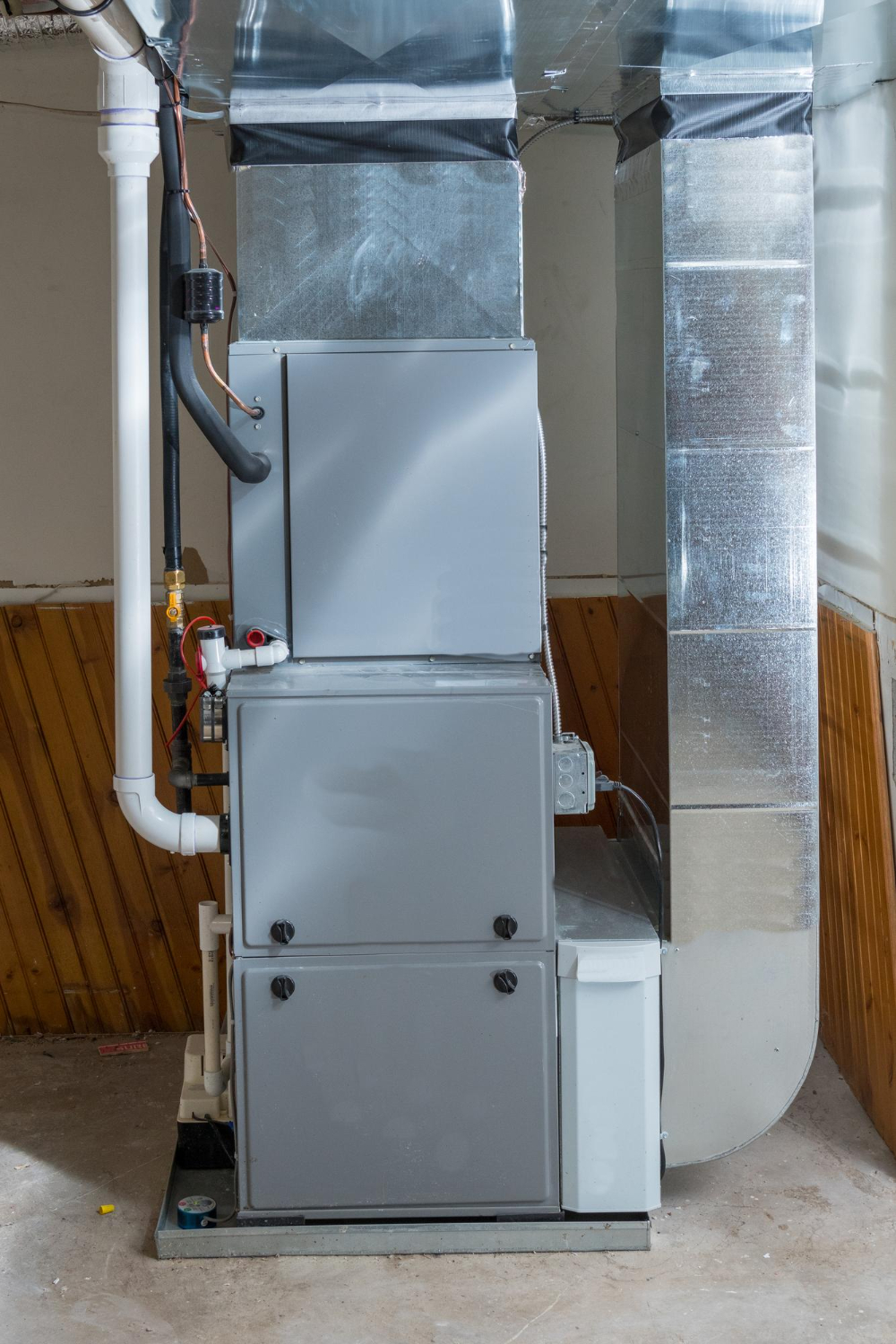
When your heating system breaks down on a cold winter night, you face an important choice. Should you pay for repairs or invest in a brand new system? This decision affects your comfort, monthly bills, and budget for years to come.
The right choice depends on your system’s age, how much repairs will cost, and whether your current unit keeps your home comfortable. A heating system that’s less than 10 years old often just needs a simple fix. But an older system that breaks down frequently might cost you more money in the long run.
This guide walks you through the warning signs your heating system shows, the real costs of both options, and what factors matter most for your home. You’ll learn when a repair makes sense and when replacement saves you money over time.
Here’s what you need to know:
- Replace vs repair heating system: what homeowners need to know
- Common signs your heating system may need repair
- When it’s better to repair your heating system
- Signs it’s time to replace your heating system
- Benefits of replacing your heating system
- Cost comparison: Repair vs replacement
- How to make the decision: Repair or replace?
- Why choose Swift Pro for heating system repairs and replacement
Keep reading to learn how to decide whether to replace vs repair heating system equipment based on age, repair costs, efficiency, safety, and comfort performance.
Replace vs repair heating system: what homeowners need to know
When your heating system breaks down, you need to decide between fixing it or buying a new one. This choice affects your comfort and your wallet.
Age matters most. If your furnace or boiler is past the typical replacement window, switching to a high-efficiency unit can materially change operating costs, ENERGY STAR notes that replacing heating/cooling equipment with properly installed high-efficiency units can save up to 20% on heating and cooling costs, and specifically calls out 15+ years as a key replacement threshold for furnaces/boilers. According to ENERGY STAR (U.S. EPA), an ENERGY STAR qualified furnace is about 15% more efficient than a conventional furnace.
Use the $5,000 rule. Multiply your system’s age by the repair cost. If the total goes over $5,000, you should replace the unit instead of repairing it.
Consider these key factors:
- Repair frequency – If you’re calling for fixes multiple times each year, a new system will save you money
- Energy bills – Rising heating costs signal that your system isn’t working efficiently anymore
- Safety concerns – Any gas leaks or carbon monoxide risks require immediate replacement
- Comfort issues – Uneven heating or constant temperature problems indicate serious system failure
Calculate the real costs. A repair might cost less now, but an old system will keep breaking down. A new system costs more upfront but reduces your monthly bills and stops the cycle of repeated repairs.
Your system’s warranty status also guides this decision. If your warranty already expired, repairs come entirely out of your pocket. New systems include warranties that protect you from unexpected costs for several years.
Common signs your heating system may need repair
Your heating system gives clear warning signs when something isn’t working right. Catching these problems early can help you avoid a complete breakdown and decide if a simple repair will fix the issue.
Furnace running inconsistently or short-cycling
Short-cycling happens when your furnace turns on and off frequently instead of running through complete heating cycles. This pattern puts extra wear on your system and wastes energy.
Your furnace might run for just a few minutes before shutting down, then restart shortly after. This often points to problems like a dirty air filter, a malfunctioning thermostat, or an oversized heating system for your home.
A clogged filter restricts airflow and causes your furnace to overheat quickly. The system’s safety features kick in and shut it down. After it cools, the cycle repeats.
If you’ve replaced the filter and the problem continues, your thermostat might be reading temperatures incorrectly. The sensor could be placed in a bad spot or simply failing.
Strange noises or odors from the system
Normal heating systems make some noise when they start up and shut down. But loud or unusual sounds signal potential problems that need attention.
Banging, screeching, or grinding noises often indicate mechanical issues. A loose blower motor, worn bearings, or damaged belts can create these sounds. Rattling might mean loose panels or ductwork connections.
Odors are equally important warning signs. A burning smell when you first turn on your heat each season is normal as dust burns off. But persistent burning odors, especially those that smell like plastic or rubber, suggest overheating components or electrical problems.
A rotten egg smell means you might have a gas leak and need to shut off your system immediately. Musty odors point to mold growth in your ductwork or around your unit.
Increased energy bills without usage changes
Your heating costs should stay relatively consistent from year to year when you adjust for weather changes. A sudden spike in your energy bills without increased usage means your system is losing efficiency.
Compare your current bills to the same months from previous years. If you’re paying 15-20% more without running your heat more often, your system is working harder to maintain the same temperature.
This inefficiency comes from several possible causes. Aging components don’t work as well as they once did. Dirty coils force your system to run longer. Leaking ductwork loses heated air before it reaches your rooms.
Regular maintenance can sometimes restore efficiency. But if your bills keep climbing even after a tune-up, your system might be nearing the end of its useful life.
Frequent minor repairs over the past year
One repair doesn’t necessarily mean your heating system is failing. But multiple service calls within a single year suggest deeper problems.
Track your repair history and costs. If you’ve needed three or more repairs in the last 12 months, your system is becoming unreliable. Each fix might seem minor on its own, but the pattern shows overall decline.
Small repairs add up quickly. A $150 repair here and a $200 fix there can total $500-800 per year. That money might be better spent toward a replacement system.
Frequent breakdowns also happen at the worst times. You don’t want to be without heat during a cold snap because your aging system failed again.
Uneven heating or weak airflow
Every room in your home should reach a comfortable temperature when your heating system runs properly. Cold spots and weak airflow indicate problems with your system’s ability to distribute heat.
Some temperature variation between rooms is normal, especially in larger homes. But if certain rooms stay 5-10 degrees colder than others, something is wrong. Your furnace might not be producing enough heat, or your ductwork could have leaks or blockages.
Weak airflow from your vents means less heated air is reaching your living spaces. This can happen when your blower motor is failing or your air filter is severely clogged. It might also indicate problems with your duct system.
Check all your vents to see if the problem affects your whole house or just certain areas. Whole-house issues typically point to furnace problems. Problems in specific rooms suggest ductwork issues in those zones.
When it’s better to repair your heating system
Repairing your heating system makes sense when the unit is relatively young, the problem is straightforward to fix, and you’ve kept up with regular maintenance. Minor issues caught early can often be resolved affordably without needing a full replacement.
System is less than 10–12 years old
A heating system under 10 to 12 years old typically has plenty of life left. Most furnaces and heat pumps are designed to last 15 to 20 years with proper care.
If your system falls within this age range, heating system repair is usually the smarter choice. The components are less likely to fail repeatedly, and you haven’t gotten your full investment back yet.
Replacing a relatively new system means losing years of useful service. The cost of a new unit can range from $3,000 to $10,000 or more, which doesn’t make financial sense when repairs can keep your current system running efficiently.
Issues are minor and easily fixed
Small problems don’t require major solutions. Issues like a clogged filter, faulty thermostat, or worn-out blower motor are quick fixes that cost a few hundred dollars at most.
When a technician identifies a single failed component, repair is almost always the right call. These straightforward repairs can extend your system’s life by several years without breaking your budget.
Watch out for problems that seem minor but point to bigger issues. A qualified technician can tell you whether the problem is isolated or indicates widespread wear. If your system needs just one or two parts replaced and everything else checks out fine, go with the repair.
Furnace parts are available and affordable
Parts availability matters more than most homeowners realize. If your heating system uses common components that manufacturers still produce, repairs stay affordable and practical.
Standard parts like igniters, flame sensors, and capacitors are widely available and reasonably priced. You can usually get these components quickly, which means less downtime during cold weather.
Older or discontinued models create a different situation. When parts become scarce, prices increase and wait times extend. Before committing to a repair, ask your technician about parts availability and cost. If the part costs more than 50% of a new system’s price, replacement becomes more attractive.
Repair restores efficiency and safety
A good heating system repair should return your unit to proper working order. If fixing the problem gets your system back to its original efficiency rating, you’ll see normal energy bills and consistent heating throughout your home.
Safety concerns must be addressed immediately, but not all safety issues require replacement. A cracked heat exchanger is a serious problem that often means replacement, but a faulty pressure switch or gas valve can be repaired safely.
After the repair, your system should heat your home evenly without strange noises or smells. The thermostat should maintain steady temperatures, and your energy bills should return to their typical range. If the repair achieves these results, you made the right decision.
Preventative maintenance has been consistent
Regular maintenance dramatically affects whether repair or replacement makes sense. Systems that receive annual tune-ups experience fewer breakdowns and last longer than neglected units.
If you’ve scheduled yearly inspections and cleanings, your heating system’s internal components stay in better condition. When something does break, it’s typically an isolated failure rather than system-wide deterioration.
A well-maintained 12-year-old system often outperforms a neglected 8-year-old unit. Your maintenance history gives technicians confidence that a repair will last and that other components won’t fail soon after. Keep records of all service visits, as this documentation helps you and your technician make informed decisions about future heating system repair needs.
Signs it’s time to replace your heating system
A heating system shows clear warning signs when it reaches the end of its useful life. Age, repair costs, rising energy bills, poor performance, and outdated technology all point toward furnace replacement rather than continued repairs.
Furnace is over 12–15 years old
Most furnaces last between 15 and 20 years with proper maintenance. Once your system passes the 12 to 15 year mark, you should start planning for replacement even if it still works.
Older systems lose efficiency over time. Parts wear out and the unit works harder to heat your home. This means higher energy bills and more frequent breakdowns.
If your furnace is in this age range and needs major repairs, replacement usually makes more financial sense. The cost of fixing an old system adds up quickly, and you’ll likely face the same decision again within a few years.
Frequent breakdowns or costly repairs
When repair calls become routine, your heating system is telling you something. Two or more repairs in a single heating season signals that components are failing at an accelerated rate.
Use the 50% rule to guide your decision. Multiply your system’s age by the repair cost. If that number exceeds half the cost of a new system, replacement is the better choice.
Frequent breakdowns mean more than just repair bills. You lose comfort and convenience each time your heat goes out. Emergency repair calls during cold weather often come with premium pricing. A new system gives you reliable heat and eliminates the stress of unexpected failures.
Energy bills are rising despite repairs
Higher heating bills often indicate your system is losing efficiency. An aging furnace must run longer to maintain the same temperature, consuming more fuel or electricity in the process.
Compare your current energy bills to previous years. A 15-20% increase signals serious efficiency loss. Even after repairs, an old system cannot match the performance of modern equipment.
Space heating is typically the largest residential end use—heating homes accounted for 42% of household energy consumption in 2020, and U.S. households spent $519 on average for space heating, according to the U.S. Energy Information Administration (EIA). A new high-efficiency furnace can cut those costs significantly. While the upfront investment seems large, monthly savings add up over the system’s lifetime.
System cannot maintain consistent home temperatures
Uneven heating throughout your home points to a failing system. Some rooms feel too cold while others stay comfortable. The furnace runs constantly but never quite reaches the thermostat setting.
This happens when your heating system can no longer distribute air properly. The blower motor weakens or ductwork connections fail. The heat exchanger may have cracks that reduce output.
Inconsistent temperatures affect your daily comfort and quality of life. You shouldn’t need space heaters in certain rooms or extra blankets in winter. When repairs don’t solve temperature problems, the furnace itself is the issue.
New technology could improve efficiency and comfort
Modern heating systems offer significant advances over units from 10-15 years ago. Today’s furnaces feature variable-speed blowers, modulating gas valves, and smart thermostats that optimize performance.
High-efficiency models carry AFUE ratings of 95% or higher. This means 95 cents of every energy dollar goes toward heating your home. Older systems typically rate between 60-80% AFUE.
A heating system upgrade also brings better air quality and comfort control. New systems run quieter and distribute heat more evenly. Smart features let you control temperatures remotely and create custom schedules. Two-stage or modulating burners adjust output based on actual heating needs rather than running at full blast every cycle. These improvements make your home more comfortable while reducing energy waste.
Benefits of replacing your heating system
Replacing your heating system offers advantages that extend beyond fixing immediate problems. New systems deliver better performance, cost less to operate, and require fewer repairs over their lifetime.
Improved energy efficiency and lower utility bills
Modern heating systems use significantly less energy than units made 10 or 15 years ago. Today’s furnaces and heat pumps can reach efficiency ratings of 95% to 98%, compared to older models that typically run at 60% to 80% efficiency.
This difference shows up directly on your energy bills. A new high-efficiency system can cut your heating costs by 20% to 40% each year. For a home spending $1,500 annually on heating, that means saving $300 to $600 every year.
New systems also include variable-speed blowers and modulating burners. These features adjust output based on your actual heating needs rather than running at full blast constantly. This precise control reduces energy waste and keeps your home at a more consistent temperature.
Enhanced home comfort with modern equipment
New heating systems distribute heat more evenly throughout your home. You won’t experience cold spots in certain rooms or temperature swings between heating cycles.
Modern equipment operates more quietly than older units. You’ll notice less rattling, banging, or humming from your furnace or heat pump. Many new systems include sound-dampening technology and insulated cabinets that keep noise levels low.
Advanced heat pumps work effectively even in cold weather, with some models maintaining full capacity down to -15°F or lower. This means reliable comfort even during the coldest winter days. New systems also improve indoor air quality through better filtration and humidity control features.
Reduced repair frequency and costs
A new heating system eliminates the cycle of frequent breakdowns and emergency repairs. You won’t face unexpected repair bills during the coldest months when you need heat most.
Older systems require more maintenance as components wear out. Parts become harder to find and more expensive. Technicians may need to order special components or work around discontinued parts.
With a new system, you start fresh with all new components designed to work together. The first 10 to 15 years typically require only basic maintenance like filter changes and annual tune-ups. This predictability makes budgeting easier and reduces stress about sudden heating failures.
Warranty coverage and manufacturer support
New heating systems come with manufacturer warranties that protect your investment. Most equipment includes a 10-year parts warranty, and many manufacturers offer extended coverage options.
Many HVAC companies also provide labor warranties on installation work, typically ranging from 1 to 5 years. This coverage means you won’t pay for repairs caused by defective parts or installation issues during the warranty period.
Newer systems have better manufacturer support. Parts are readily available, and technicians are trained on current models. If you need service, repairs happen faster because your equipment uses current technology and standard components.
Integration with smart thermostats and zoning
New heating systems work seamlessly with smart thermostats and home automation platforms. You can control your heating from your phone, set schedules that match your routine, and receive alerts about maintenance needs or system problems.
Smart thermostats learn your preferences and adjust automatically. They can detect when you’re away and reduce heating to save energy, then warm your home before you return. Many models provide detailed energy reports that show exactly how much you’re spending on heating.
Modern systems support zoning capabilities that let you heat different areas of your home independently. You can keep bedrooms cooler at night while maintaining warmth in living spaces, or reduce heating in unused rooms. This targeted approach cuts energy waste and gives everyone in your household more control over their comfort.
Cost comparison: Repair vs replacement
Repair costs typically range from $150 to $1,500 depending on the problem, while replacement systems cost $3,000 to $10,000 upfront but offer better efficiency and longer warranties. Your decision should factor in immediate expenses, energy savings, and safety improvements.
Replacement costs may be partially offset by federal incentives—the IRS says eligible homeowners may qualify for the Energy Efficient Home Improvement Credit up to $3,200, including up to $2,000 per year for qualifying heat pumps (and certain related equipment) and up to $600 per item for qualifying natural gas, propane, or oil furnaces and hot water boilers, for qualifying property placed in service after Jan. 1, 2023 and before Dec. 31, 2025.
Average repair costs and typical lifespan extension
Minor heating repairs cost between $150 and $500 for issues like thermostat problems, clogged filters, or worn belts. These fixes usually take care of immediate problems without major expense.
Major repairs run $500 to $1,500 or more when you need to replace compressors, heat exchangers, or control boards. These components are expensive to fix and often signal that your system is aging.
A successful repair typically extends your system’s life by 2 to 5 years. The actual extension depends on your unit’s current age and overall condition.
Common repair costs:
- Thermostat replacement: $150-$300
- Blower motor: $400-$600
- Heat exchanger: $1,000-$1,500
- Ignitor replacement: $150-$350
Keep in mind that older systems need repairs more often. You might spend several hundred dollars per year on fixes as your heating unit ages past 15 years.
Replacement costs and long-term savings
A new heating system costs $3,000 to $10,000 installed. The price varies based on your home size, system type, and efficiency rating you choose.
High-efficiency units cost more upfront but reduce your monthly energy bills. You can save 20% to 40% on heating costs compared to systems that are 10 to 15 years old.
New systems come with warranties covering parts for 5 to 10 years and labor for 1 to 2 years. This protection means fewer out-of-pocket repair expenses during the first decade of ownership.
Your heating bills drop immediately after installation. A modern unit uses less energy to heat the same space, which adds up to significant savings over 15 to 20 years.
Energy efficiency considerations
Modern heating systems achieve 90% to 98% efficiency ratings compared to 60% to 80% for older units. This means newer systems convert more fuel into usable heat for your home.
Your energy savings depend on how old your current system is. Replacing a 15-year-old furnace can cut your heating costs by $300 to $700 annually.
Efficiency improvements in new systems:
- Variable-speed blowers that adjust to your heating needs
- Two-stage or modulating burners for consistent temperatures
- Smart thermostats that optimize heating schedules
- Better insulation and sealed combustion chambers
Energy-efficient systems also reduce your carbon footprint. You use less fuel or electricity, which benefits both your wallet and the environment.
Safety and reliability benefits
Old heating systems develop safety risks like carbon monoxide leaks, gas leaks, or electrical hazards. These dangers increase as components wear out and crack over time.
New systems include modern safety features like automatic shutoffs, improved ventilation, and sealed combustion. These protections keep your family safer during operation.
Reliability improves dramatically with replacement. You won’t deal with frequent breakdowns during cold weather when you need heat most.
New units operate quietly and maintain consistent temperatures throughout your home. You avoid the stress of emergency repair calls and uncomfortable nights waiting for fixes.
How to make the decision: Repair or replace?
Making the right choice between fixing your current heating system and installing a new one requires looking at specific factors about your equipment, costs, and home comfort needs. The age of your system, how often it breaks down, its energy efficiency, and professional recommendations all play important roles in this decision.
Evaluate age and condition of the system
The age of your heating system is one of the most important factors in your decision. Most furnaces last 15 to 20 years, while heat pumps typically run for 10 to 15 years.
If your system is more than halfway through its expected lifespan and needs major repairs, replacement often makes more sense. A 12-year-old furnace needing a $1,200 repair will likely face more problems soon.
Newer systems under 10 years old usually benefit from repairs unless the damage is severe. Check your system’s condition by looking at how well it heats your home, whether it makes strange noises, and if some rooms stay cold while others get too hot.
Consider repair frequency and costs
Track how often you call for heating repairs and what you spend each year. If you’re scheduling service visits more than twice per year, your system may be telling you it’s time for a replacement.
Use this rule: multiply the repair cost by your system’s age. If the result is more than $5,000, replace the unit instead of repairing it. For example, a $400 repair on a 10-year-old furnace equals $4,000, so repair makes sense. But a $600 repair on a 15-year-old system equals $9,000, which suggests replacement.
Add up your repair costs from the past two years. If they total more than half the cost of a new system, you’re spending money on a unit that will keep breaking down.
Assess energy efficiency and technology upgrades
Older heating systems waste energy and drive up your utility bills. New systems can be 20% to 40% more efficient than models from 15 years ago.
Compare your current system’s Annual Fuel Utilization Efficiency (AFUE) rating to new models. Older furnaces often have ratings of 60% to 70%, while modern units reach 95% to 98%. This difference means big savings on your heating bills.
Modern systems also include better thermostats, zoned heating controls, and air quality features your old system lacks. These upgrades improve comfort and give you more control over your home’s temperature and air quality.
Consult certified HVAC professionals for guidance
A qualified HVAC technician can inspect your system and give you honest advice about repair versus replacement. They can spot problems you might miss and estimate how much longer your equipment will last.
Get opinions from at least two or three different HVAC companies. Make sure they’re licensed and have good reviews from other homeowners in your area.
Ask technicians specific questions about your system’s condition, expected remaining lifespan, and whether repairs will solve your problems long-term. A trustworthy professional will explain your options clearly without pushing you toward the most expensive choice.
Request written estimates that break down all costs for both repair and replacement options. This helps you compare the true financial impact of each decision.
Plan for long-term comfort, reliability, and savings
Think beyond just the immediate repair cost. A new system costs more upfront but provides years of reliable heating without surprise breakdowns.
Calculate your potential energy savings with a new efficient system. If you could save $30 to $50 per month on heating bills, that’s $360 to $600 per year. Over 15 years, those savings add up to $5,400 to $9,000.
Consider your plans for your home. If you’re selling within a few years, a basic repair might be enough. But if you plan to stay for 10 years or more, investing in a new system makes more sense.
New systems come with warranties that cover parts and labor for several years. This protection gives you peace of mind and predictable costs, unlike an aging system that can fail anytime.
Why choose Swift Pro for heating system repairs and replacement
When your heating system needs attention, working with a qualified contractor makes all the difference in getting the job done right. SwiftPro brings together technical expertise, honest guidance, and a commitment to customer care that sets them apart in Northern Virginia.
Certified HVAC technicians with years of experience
SwiftPro employs technicians who hold current certifications and have extensive training across all types of heating systems. These professionals complete regular education courses to stay updated on the latest heating technology and repair methods.
The team has experience working with both older heating units and modern high-efficiency systems. This background means they can quickly diagnose problems and implement effective solutions whether you have a furnace, heat pump, or boiler.
Each technician understands how heating systems integrate with your home’s overall comfort and energy use. They know which repairs will extend your system’s life and when replacement becomes the smarter financial choice.
Honest, transparent repair vs replacement recommendations
SwiftPro provides straightforward assessments based on your system’s actual condition, not sales quotas. You receive clear information about your heating system’s remaining lifespan, repair costs, and potential savings from a new installation.
The company explains the trade-offs between repairing and replacing in terms you can understand. They consider factors like your system’s age, efficiency, repair history, and your budget to give you practical options.
You won’t face pressure tactics or inflated estimates. SwiftPro’s recommendations focus on what makes sense for your specific situation, whether that means a simple repair or a full system replacement.
Fast response for emergencies and routine service
Heating emergencies don’t wait for convenient times. SwiftPro offers priority service to ensure you’re not left in the cold during Northern Virginia’s winter months.
The company maintains efficient scheduling systems that get technicians to your home quickly. For routine maintenance and non-emergency repairs, you can book appointments that fit your schedule without long wait times.
SwiftPro’s local presence in Northern Virginia means shorter travel times to your property. The team carries common parts and tools on their service vehicles to complete many repairs in a single visit.
Expertise with all makes and models
Your heating system’s brand doesn’t limit SwiftPro’s ability to service it. The technicians work with all major manufacturers including Carrier, Trane, Lennox, Rheem, Bryant, and many others.
This broad expertise extends to different heating system types:
- Gas furnaces (natural gas and propane)
- Electric furnaces and heat strips
- Heat pumps (air source and ductless mini-splits)
- Boilers (hydronic heating systems)
- Dual fuel systems
Whether your home has a standard forced-air system or a specialty setup, SwiftPro’s technicians have the knowledge to repair or replace it properly.
Focus on energy efficiency, safety, and homeowner comfort
SwiftPro evaluates heating systems with attention to how efficiently they operate. They identify issues that waste energy and drive up your utility bills, then provide solutions that improve performance.
Safety checks are standard with every service visit. Technicians inspect for carbon monoxide risks, gas leaks, electrical hazards, and ventilation problems that could endanger your household.
Your comfort matters throughout the process. The team explains what they’re doing, respects your property, and ensures your heating system operates reliably when they finish. SwiftPro also offers flexible financing options that make necessary repairs or replacements more accessible to homeowners.
Conclusion
Your decision between repairing or replacing your heating system depends on several key factors. Age matters most, as systems over 15 years old often cost more to maintain than they’re worth.
The 50% rule provides a simple guideline. If repair costs exceed half the price of a new system, replacement makes more financial sense.
You should consider how often your system needs repairs. Frequent breakdowns indicate your heating system is reaching the end of its useful life. Multiple service calls add up quickly.
Energy efficiency plays a major role in long-term costs. Newer systems use less energy and reduce your monthly bills. An old, inefficient system wastes money every time it runs.
Your comfort level at home cannot be ignored. If your system struggles to heat your home evenly or maintain consistent temperatures, it’s time for a change.
You need to weigh immediate repair costs against long-term savings. A new system requires more money upfront but saves you from constant repairs and high energy bills.
Consider your budget and timeline carefully. Sometimes a repair works for the short term while you plan for replacement. Other times, immediate replacement prevents further problems and expenses.
Trust your HVAC technician’s assessment. They can provide accurate information about your system’s condition and expected lifespan.Request a repair vs replacement evaluation with Swift Pro to compare your current furnace’s condition, safety, and efficiency against the installed cost of a heating system upgrade and choose the option that delivers the lowest long-term operating cost.
TABLE OF CONTENTS
- 1 Replace vs repair heating system: what homeowners need to know
- 2 Common signs your heating system may need repair
- 3 When it’s better to repair your heating system
- 4 Signs it’s time to replace your heating system
- 5 Benefits of replacing your heating system
- 6 Cost comparison: Repair vs replacement
- 7 How to make the decision: Repair or replace?
- 8 Why choose Swift Pro for heating system repairs and replacement
- 9 Conclusion
