


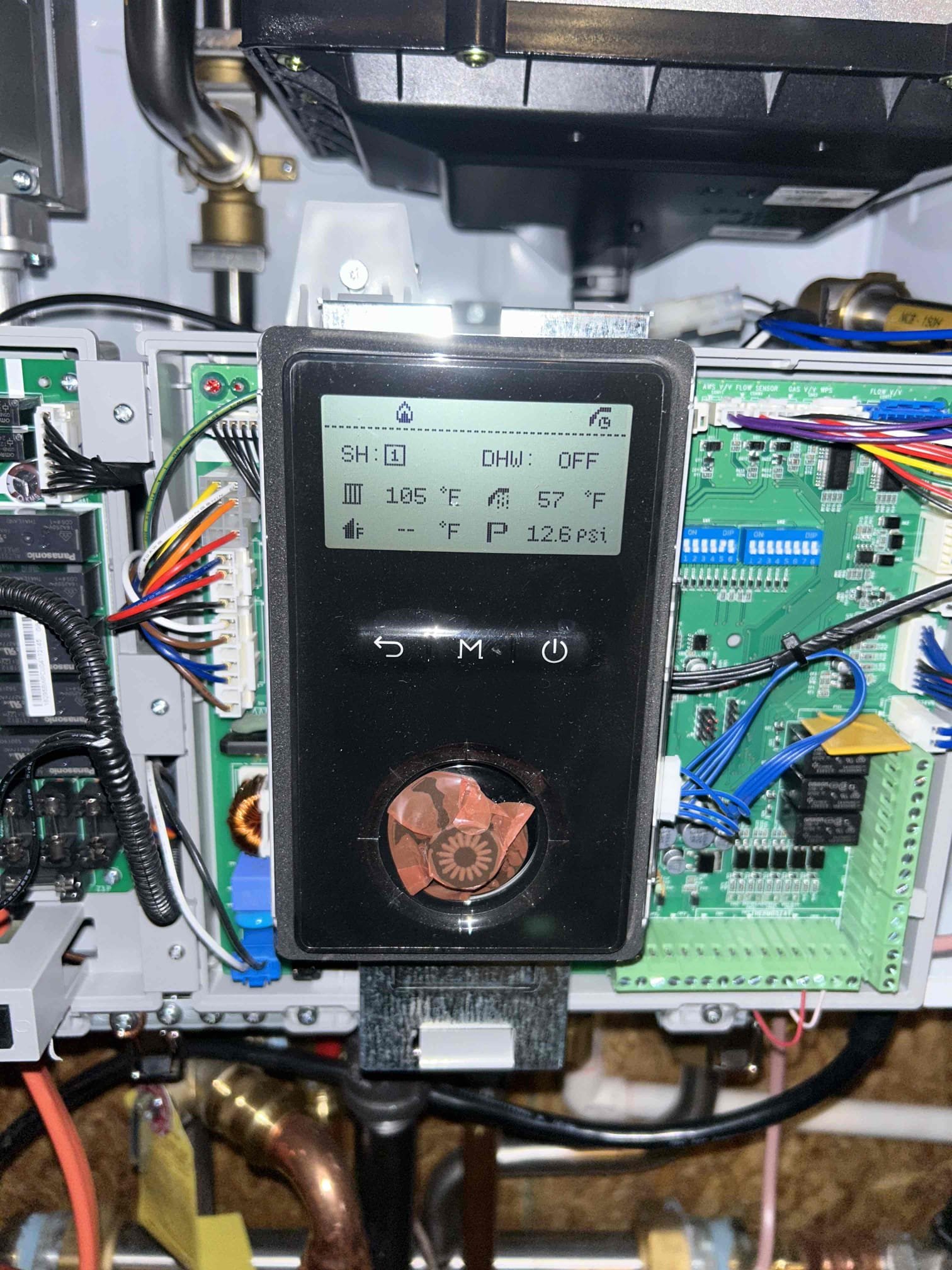
Your heating and cooling system works hard every day to keep your home comfortable. But without regular care, it can break down when you need it most. Residential HVAC maintenance involves routine inspections, cleaning, and tune-ups that keep your system running efficiently and help prevent costly repairs.
Most homeowners don’t think about their HVAC system until something goes wrong. A breakdown in the middle of summer or winter can leave you uncomfortable and facing expensive emergency repairs. Regular maintenance catches small problems before they become big ones and helps your system last longer.
This guide will walk you through everything you need to know about maintaining your home’s heating and cooling system. You’ll learn what professionals check during maintenance visits, how to spot common problems early, and what you can do between service appointments to keep your system working well.
Let’s break down to the key points you should know about:
- Residential HVAC maintenance: Protect your home comfort and efficiency
- What is residential HVAC maintenance
- Why regular residential HVAC maintenance is important
- Common issues detected during residential HVAC maintenance
- How professional residential HVAC maintenance works
- Benefits of hiring a professional for residential HVAC maintenance
- Tips to keep your HVAC system in top shape between professional visits
- Why choose Go Swift Pro for residential HVAC maintenance
Let’s dive in!
Residential HVAC maintenance: Protect your home comfort and efficiency
Your heating and cooling system keeps your home comfortable throughout the year. Without proper care, it can break down when you need it most.
Regular maintenance helps your HVAC system work better and last longer. It also keeps your energy bills lower and your air cleaner.
Key benefits of maintaining your system:
- Better energy efficiency and lower utility costs
- Fewer unexpected breakdowns and repairs
- Longer equipment lifespan
- Improved indoor air quality
- More consistent temperatures throughout your home
You should schedule home HVAC service twice a year. The best times are spring for your air conditioner and fall for your heating system.
Regular professional maintenance (including checking refrigerant charge, cleaning coils, and verifying proper operation) helps an air-conditioning system run more efficiently and can prevent performance problems, per the U.S. Department of Energy (DOE).
During a maintenance visit, a technician will check important parts of your system. They clean components, change filters, and spot problems before they become expensive repairs.
Some tasks you can do yourself between professional visits. Change your air filters every 1-3 months depending on usage. Keep the outdoor unit clear of leaves, grass, and debris.
Other maintenance requires a trained professional. Checking refrigerant levels, testing electrical connections, and inspecting internal parts need special tools and knowledge.
Think of HVAC maintenance like taking care of your car. Regular oil changes prevent bigger problems down the road. The same applies to your heating and cooling system.
A well-maintained system uses less energy to heat and cool your home. This saves you money while keeping your family comfortable in every season.
What is residential HVAC maintenance
Residential HVAC maintenance involves regular inspections, cleaning, and tune-ups of your home’s heating and cooling systems to keep them running efficiently. These scheduled service visits catch small problems before they become expensive repairs and help your system last longer.
Definition and purpose of preventive HVAC care
HVAC preventive maintenance is scheduled service work that keeps your heating and cooling system in good working order. Think of it like regular oil changes for your car—you do it before problems start, not after your engine breaks down.
The main purpose is to prevent breakdowns and keep your system running at peak performance. During these visits, a technician examines your equipment, cleans important parts, and makes small adjustments that keep everything working properly.
Preventive care also protects your comfort and safety. A well-maintained system delivers consistent temperatures throughout your home and helps ensure carbon monoxide and other hazards don’t develop in your heating equipment.
Key components checked during a maintenance visit
During a professional maintenance visit, your technician checks several critical parts of your HVAC system. They inspect and clean or replace air filters, which directly affect airflow and system efficiency.
The technician examines electrical connections and tightens any loose wires. They also lubricate moving parts like motors and fans to reduce friction and wear.
Heating system checks include:
- Burner assembly and flame sensor
- Heat exchanger for cracks or damage
- Thermostat calibration
- Gas pressure and connections
- Ventilation and exhaust systems
Cooling system checks include:
- Refrigerant levels and potential leaks
- Condenser and evaporator coils
- Condensate drain lines
- Blower components and belts
- System controls and safety switches
Benefits of seasonal inspections
Seasonal inspections prepare your HVAC system for the months of heavy use ahead. A spring tune-up gets your air conditioning ready for summer heat, while a fall inspection ensures your furnace works safely through winter.
These regular checkups improve your indoor air quality by keeping dust, mold, and other contaminants from building up in your system. Clean coils and filters mean cleaner air flowing through your home.
You’ll also notice better performance. Your system will heat and cool more evenly, reach your desired temperature faster, and run more quietly when it’s properly maintained.
Difference between professional and DIY maintenance
You can handle some basic HVAC maintenance tasks yourself. Changing air filters every 1-3 months is the most important DIY task you can do. You can also keep outdoor units clear of leaves and debris and make sure vents aren’t blocked by furniture.
Professional maintenance goes much deeper. Technicians have specialized tools to measure airflow, test refrigerant levels, and check static pressure. They can spot problems that aren’t visible to homeowners.
Some tasks require licensing and certification. Only trained technicians should work with refrigerants, test gas connections, or inspect heat exchangers. These jobs involve safety risks and require specific knowledge.
Professional maintenance typically costs $80-$150 per visit, but it catches issues that could lead to repairs costing hundreds or thousands of dollars.
How maintenance saves money and energy
Regular maintenance reduces your energy bills by keeping your system running efficiently. A clean, well-tuned HVAC system uses 15-20% less energy than a neglected one.
You’ll save money on repairs too. Small problems found during maintenance visits cost much less to fix than major breakdowns. Catching a worn belt during a tune-up might cost $50, while waiting until it breaks and damages other parts could cost $500 or more.
Your equipment lasts longer with regular care. Most HVAC systems are designed to last 15-20 years, but poor maintenance can cut that lifespan in half. Replacing a system costs $5,000-$10,000 or more, so extending its life saves significant money.
Many manufacturers require proof of regular maintenance to keep your warranty valid. Without documentation of annual service, you might have to pay full price for repairs that would otherwise be covered.
Why regular residential HVAC maintenance is important
Regular maintenance keeps your heating and cooling system running smoothly while protecting your wallet from surprise expenses. A well-maintained HVAC system uses less energy, lasts longer, and keeps your home’s air cleaner and safer.
Prevents unexpected breakdowns
Your HVAC system works hard year-round to keep your home comfortable. Without regular maintenance, small problems can turn into major breakdowns when you need heating or cooling most.
During maintenance visits, technicians check all the key parts of your system. They look for worn belts, loose connections, and parts that show early signs of failure. Finding these issues early means you can fix them before they cause your system to stop working.
A breakdown in the middle of summer or winter creates more than just discomfort. Emergency repairs often cost more than scheduled service calls. You might also have to wait days for a technician to become available during busy seasons.
Regular maintenance catches about 85% of problems before they cause system failures. This means fewer emergency calls and more reliable comfort in your home.
Improves energy efficiency and lowers bills
A dirty or poorly maintained HVAC system has to work harder to heat or cool your home. This extra work uses more electricity or gas, which shows up on your utility bills.
Clean filters, coils, and blower components help air move through your system easily. When airflow is smooth, your HVAC doesn’t strain to reach the temperature you set on your thermostat. A well-tuned system can use 15-20% less energy than one that hasn’t been serviced.
Key maintenance tasks that improve efficiency:
- Cleaning or replacing air filters
- Cleaning evaporator and condenser coils
- Checking refrigerant levels
- Lubricating moving parts
- Calibrating thermostat settings
These simple tasks add up to real savings. Most homeowners save enough on energy bills to cover the cost of maintenance within the first year.
Extends the life of your HVAC system
Your HVAC system represents a major investment in your home. A new system can cost $5,000 to $10,000 or more depending on your home’s size and the equipment you choose.
Regular maintenance helps you get the most years possible from this investment. Systems that receive annual tune-ups typically last 15-20 years. Systems without regular care often fail after just 10-12 years.
The difference comes down to wear and tear. Small issues like dirty coils or low refrigerant force your system to run longer cycles. This puts extra stress on the compressor and other expensive components. Over time, this stress causes premature failure.
Think of maintenance like oil changes for your car. The small cost of routine service prevents much larger replacement costs down the road.
Enhances indoor air quality
Your HVAC system does more than control temperature. It also filters the air you breathe inside your home.
Dust, pollen, pet dander, and other particles collect in your system over time. When filters get clogged and components get dirty, these pollutants can circulate through your home instead of being trapped. This affects everyone in your household, especially people with allergies or asthma.
Regular maintenance includes cleaning or replacing filters and cleaning the indoor coil and blower. Technicians also check your ductwork for leaks that could pull in dust from attics or crawl spaces.
Clean HVAC components mean cleaner air in every room. You’ll notice less dust on furniture and easier breathing, especially during allergy season.
Ensures safe operation of heating and cooling systems
Safety problems with HVAC systems are rare, but they can be serious when they happen. Regular maintenance catches potential hazards before they put your family at risk.
For gas furnaces, technicians check the heat exchanger for cracks that could leak carbon monoxide into your home. Carbon monoxide (CO) is an odorless, potentially deadly gas, and the CDC emphasizes proper use and maintenance of fuel-burning appliances to reduce CO poisoning risk.
They also inspect the flame sensor and gas connections to make sure everything burns cleanly and safely. Electrical components get checked for loose wiring or signs of overheating that could cause fires.
Air conditioning systems use high-voltage electricity and pressurized refrigerant. Both require proper handling and regular inspections. A trained technician spots warning signs like frayed wires, damaged refrigerant lines, or components that run too hot.
Your maintenance visit includes safety checks that protect your home and family. These inspections give you peace of mind that your system operates as it should.
Common issues detected during residential HVAC maintenance
During routine furnace and AC maintenance, technicians typically find several problems that can reduce system efficiency or cause complete breakdowns. These issues range from simple filter problems to more complex mechanical failures that require professional repair.
Dirty or clogged filters
Air filters trap dust, pollen, and other particles to keep your HVAC system running smoothly. When filters get dirty or clogged, your system has to work harder to push air through.
Clogged filters reduce airflow throughout your home. This makes your heating and cooling less effective and drives up energy bills. Your furnace or AC unit may run longer cycles to reach the desired temperature.
Most filters need replacement every 1-3 months depending on usage and air quality. Homes with pets or allergies may need more frequent changes. During maintenance visits, technicians check filter condition and replace them if needed.
A dirty filter can also cause your system to overheat or freeze up. This puts stress on mechanical components and shortens the lifespan of your equipment.
Malfunctioning thermostats
Your thermostat controls when your HVAC system turns on and off. Problems with thermostats lead to incorrect temperatures and wasted energy.
Common thermostat issues include dead batteries, loose wiring, and incorrect calibration. Sometimes the thermostat loses its programming or develops sensor problems. These issues cause your system to run too often or not enough.
Technicians test thermostat accuracy during maintenance checks. They verify that the temperature reading matches the actual room temperature. They also inspect connections and replace batteries if needed.
Older thermostats may need upgrading to newer models. Modern programmable or smart thermostats offer better temperature control and energy savings.
Leaky or obstructed ductwork
Ductwork carries heated or cooled air from your HVAC system to every room in your home. Leaks or blockages in ducts waste energy and reduce comfort.
Leaky ducts allow conditioned air to escape into attics, crawl spaces, or walls. This means you pay to heat or cool spaces you don’t use. Duct leaks can waste 20-30% of your heating and cooling energy.
Obstructions in ductwork restrict airflow to certain rooms. Dust buildup, collapsed sections, or closed dampers cause these problems. You may notice some rooms stay too hot or too cold.
During maintenance, technicians inspect accessible ductwork for damage or leaks. They check for proper insulation and secure connections. They also verify that all vents and registers open properly.
Worn belts, motors, or components
HVAC systems contain moving parts that wear out over time. Belts, motors, and bearings need regular inspection to prevent breakdowns.
Fan belts can crack, fray, or become loose. A worn belt makes squealing noises and reduces system efficiency. If a belt breaks completely, your system stops working until it gets replaced.
Motors that power fans and blowers also wear out. They may overheat, make grinding noises, or fail to start. Bearings need lubrication to reduce friction and prevent premature failure.
Maintenance visits include checking these components for signs of wear. Technicians look for loose connections, unusual sounds, and excessive vibration. They replace worn parts before they cause system failure.
Refrigerant or airflow problems
Your AC system needs the right amount of refrigerant to cool your home effectively. Low refrigerant levels or airflow restrictions prevent proper cooling.
Low refrigerant usually indicates a leak in your system. Your AC won’t cool properly and may freeze up. Ice forms on the outdoor unit or indoor coils. Refrigerant leaks require professional repair and recharging.
Airflow problems stem from multiple causes. Blocked condensate drains cause water backup and system shutdown. Dirty evaporator or condenser coils reduce heat transfer efficiency. Blower fan issues limit air circulation.
Technicians measure refrigerant levels and pressures during AC maintenance. They clean coils, clear drain lines, and test airflow at vents. These checks ensure your cooling system operates at peak efficiency.
How professional residential HVAC maintenance works
Professional HVAC maintenance follows a structured process where trained technicians inspect, clean, test, and optimize your heating and cooling system. Technicians check everything from electrical connections to airflow patterns, ensuring your system runs safely and efficiently.
System inspection and diagnostics
A professional technician begins by examining your entire HVAC system to identify any existing problems or potential issues. They check your thermostat settings to make sure it controls your system properly. The technician inspects your furnace or air handler for signs of wear, damage, or corrosion.
During the HVAC inspection, they look at your outdoor condensing unit for debris, damage, or blocked airflow. They examine refrigerant lines for leaks or insulation problems. The technician also checks your condensate drain to ensure it isn’t clogged.
They measure refrigerant levels to confirm your system has the correct amount. Low refrigerant usually means there’s a leak somewhere in your system. The technician uses specialized tools to detect these leaks early before they cause bigger problems.
Cleaning and lubricating key components
Your technician cleans or replaces your air filter, which is one of the most important maintenance tasks. A dirty filter restricts airflow and makes your system work harder than it should.
They clean your evaporator and condenser coils to remove dirt and debris that builds up over time. Dirty coils reduce your system’s efficiency and cooling capacity. The technician also cleans the blower components to maintain proper airflow throughout your home.
Moving parts need lubrication to reduce friction and prevent premature wear. Your technician applies lubricant to motors and bearings according to manufacturer specifications. They also clean the condensate drain pan and flush the drain line to prevent water damage and mold growth.
Testing electrical connections and controls
The technician inspects all electrical connections throughout your HVAC system. Loose or corroded connections can cause system failures or create safety hazards. They tighten connections and may apply an anti-corrosion solution where needed.
They test your system’s voltage and amperage to ensure it matches manufacturer requirements. Incorrect electrical readings signal problems with components or wiring. The technician checks your capacitors, which help motors start and run efficiently.
Your safety controls get tested to confirm they work properly. These controls shut down your system if dangerous conditions occur. The technician also tests your system’s starting cycle to make sure everything turns on and off correctly.
Checking airflow, temperature, and system performance
Your technician measures airflow at various points in your system to ensure proper circulation. Poor airflow often indicates duct problems, dirty coils, or blower issues. They check the temperature difference between supply and return air to verify your system heats or cools effectively.
They inspect your ductwork for leaks, disconnections, or damage that wastes energy. The technician may seal small leaks they find during the visit. They also check that your registers and vents aren’t blocked by furniture or other objects.
The technician runs your system through a complete heating or cooling cycle. They monitor how long it takes to reach the set temperature and listen for unusual noises. These performance tests reveal problems that might not show up during visual inspections.
Final review and homeowner guidance
After completing all maintenance tasks, your technician reviews their findings with you. They explain any problems they discovered and recommend repairs if needed. You receive information about your system’s current condition and expected lifespan.
The technician shows you how to change your air filter and how often you should do it. They may point out warning signs that indicate you need professional help. You also get recommendations for improving your system’s efficiency or indoor air quality.
Using the right HVAC filter and replacing it on schedule supports airflow and helps reduce indoor particle levels, according to the U.S. EPA’s indoor air quality guidance on home air filters.
Your technician provides documentation of all work completed during the visit. This maintenance record helps track your system’s service history. Some companies offer digital reports with photos showing the condition of various components.
Benefits of hiring a professional for residential HVAC maintenance
Professional HVAC maintenance protects your investment and keeps your home comfortable year-round. Trained technicians bring the skills and tools needed to keep your system running efficiently while preventing unexpected breakdowns.
Reliable comfort throughout the year
Professional maintenance keeps your HVAC system ready to handle extreme temperatures when you need it most. Technicians inspect and tune your equipment before peak heating and cooling seasons arrive. This prevents your system from failing during a summer heat wave or winter cold snap.
Regular professional visits catch small problems before they turn into complete system failures. Your technician checks refrigerant levels, tests electrical connections, and verifies that all components work together properly. These checks mean you won’t wake up to a broken heater on the coldest night of winter.
Professionals also calibrate your thermostat to make sure it reads temperatures accurately. An incorrectly calibrated thermostat can make your home feel too hot or too cold even when your system runs constantly.
Improved system efficiency
A professionally maintained HVAC system uses less energy to heat and cool your home. Technicians clean dirty components that force your system to work harder than necessary. When your system runs efficiently, your monthly energy bills go down.
Clogged air filters and dirty coils make your HVAC system consume more electricity. Professional maintenance includes cleaning these parts and replacing worn components. Research shows that regular expert maintenance can reduce energy consumption significantly compared to neglected systems.
Your technician also checks airflow throughout your ductwork to find blockages or leaks. Sealed ducts and proper airflow mean the heated or cooled air actually reaches the rooms in your home instead of escaping into your attic or walls.
Reduced risk of costly repairs
Regular professional maintenance helps you avoid expensive emergency repairs. Technicians spot worn parts during routine visits and replace them before they break completely. A $150 maintenance visit costs much less than a $2,000 emergency repair.
Small issues like loose electrical connections or low refrigerant levels get worse over time if ignored. These problems can damage expensive components like compressors or heat exchangers. Your technician fixes minor issues during scheduled maintenance before they cascade into major failures.
Professional service also protects your manufacturer’s warranty. Most HVAC warranties require proof of regular professional maintenance. If you need a warranty claim for a major component, you’ll have documentation that shows you maintained your system properly.
Longer lifespan for your HVAC system
Professional maintenance extends how long your HVAC system lasts before you need to replace it. A well-maintained system can operate efficiently for 15 to 20 years. Neglected systems often fail after just 10 years.
Your technician lubricates moving parts, tightens electrical connections, and keeps all components clean. These tasks reduce wear and tear on your system. Less wear means fewer breakdowns and more years of reliable service.
Regular maintenance also keeps your system from working harder than necessary. When your HVAC system strains to heat or cool your home, parts wear out faster. Professional care keeps everything running smoothly so components last longer.
Peace of mind knowing your system is safe and functional
Professional technicians identify safety hazards that could put your family at risk. They check for carbon monoxide leaks, gas line problems, and electrical issues. You can feel confident that your system operates safely when a trained expert inspects it regularly.
Professionals also verify that safety controls and shut-off switches work correctly. These features protect your home if something goes wrong with your system. Your technician tests these controls during every maintenance visit.
You also gain protection through service guarantees that professionals provide. If something goes wrong after a maintenance visit, your technician will return to fix the problem. This accountability gives you confidence that the work was done right the first time.
Tips to keep your HVAC system in top shape between professional visits
Regular maintenance between service appointments helps your system run better and last longer. Simple tasks like changing filters, clearing vents, watching for problems, adjusting your thermostat wisely, and scheduling checkups can prevent breakdowns and keep your home comfortable.
Replace or clean filters regularly
Your air filter catches dust, dirt, pet hair, and other particles before they enter your HVAC system. When the filter gets clogged, your system has to work harder to push air through. This wastes energy and puts extra strain on your equipment.
Check your filter once a month. Hold it up to a light source. If you cannot see light passing through, it needs to be replaced or cleaned.
Most homes need new filters every 1 to 3 months. You may need to change filters more often if you have pets, live in a dusty area, or run your system constantly. Some homes with fewer people and no pets can wait up to 3 months.
Disposable filters should be thrown away and replaced with new ones. Reusable filters can be washed with water, dried completely, and put back in place. Never run your system without a filter installed.
Keep vents and registers clear
Your supply vents blow conditioned air into rooms. Return vents pull air back to your system. Both need clear paths to work properly.
Move furniture, curtains, rugs, and other items at least 6 inches away from all vents. Blocked vents create pressure problems in your ductwork. This makes some rooms too hot or too cold while forcing your system to run longer.
Items to keep away from vents:
- Sofas and chairs
- Beds and dressers
- Curtains and drapes
- Toys and storage boxes
- Area rugs
Vacuum or wipe down vent covers every few months. Dust buildup restricts airflow and spreads particles through your home. Remove the covers and clean both sides if possible.
Monitor for unusual noises or performance drops
Your HVAC system should run fairly quietly with consistent heating or cooling. Changes in sound or performance often signal developing problems.
Listen for grinding, squealing, banging, or rattling sounds. These noises can mean loose parts, worn belts, or failing motors. Catching these issues early prevents bigger repairs later.
Watch how long your system runs and how well it maintains temperature. Your home should reach the set temperature within a reasonable time. If your system runs constantly or struggles to keep up, something is wrong.
Warning signs to watch for:
- Weak airflow from vents
- Some rooms stay warmer or cooler than others
- Your system cycles on and off frequently
- Strange smells when the system runs
- Higher energy bills without explanation
Call a technician when you notice these problems. Waiting often makes repairs more expensive and can lead to complete system failure.
Maintain consistent thermostat settings
Big temperature swings make your system work harder and waste energy. Your HVAC equipment runs most efficiently when maintaining steady temperatures.
Set your thermostat to a comfortable temperature and leave it there during the day. Avoid adjusting it up and down by several degrees. Small changes of 1 or 2 degrees are fine when needed.
Program your thermostat to adjust temperatures automatically when you sleep or leave home. Most people save money by setting the temperature back 7 to 10 degrees for 8 hours daily. Your system uses less energy when it does not have to heat or cool as much.
Replace thermostat batteries once a year. Dead batteries can cause your system to stop working or run incorrectly. Clean dust from the thermostat cover to ensure accurate temperature readings.
Schedule seasonal HVAC tune-ups
Professional inspections catch problems before they cause breakdowns. Technicians check parts you cannot easily reach and test system performance with special tools.
Schedule tune-ups twice a year. Have your cooling system checked in spring before hot weather arrives. Get your heating system inspected in fall before you need it for winter.
What technicians do during tune-ups:
- Clean coils and internal components
- Check refrigerant levels
- Test electrical connections
- Lubricate moving parts
- Measure airflow and temperature output
- Inspect ductwork for leaks
A seasonal HVAC tune-up typically takes 1 to 2 hours. The cost is much less than emergency repairs or replacing a failed system. Many companies offer maintenance plans that include annual visits at a reduced price.
Why choose Go Swift Pro for residential HVAC maintenance
Go Swift Pro brings licensed expertise, thorough system inspections, and honest pricing to every maintenance visit. Their approach focuses on keeping your home comfortable and safe while extending the life of your heating and cooling equipment.
Licensed and experienced HVAC technicians
Your HVAC system requires trained professionals who understand the technical details of modern heating and cooling equipment. Go Swift Pro employs licensed technicians with years of hands-on experience working on all major brands and system types.
These technicians stay current with manufacturer certifications and industry standards. They know how to spot potential problems before they turn into expensive repairs. Their experience means they can work efficiently without cutting corners on quality.
When a licensed professional maintains your system, you get accurate diagnostics and proper adjustments. This expertise protects your warranty coverage and ensures your equipment operates as the manufacturer intended.
Comprehensive inspections for all system types
Go Swift Pro performs detailed inspections that cover every major component of your HVAC system. Their technicians examine parts that homeowners cannot easily access or evaluate on their own.
The inspection process includes:
- Electrical connections – checking voltage, amperage, and wire integrity
- Refrigerant levels – verifying proper charge and testing for leaks
- Heat exchanger – inspecting for cracks or carbon monoxide risks
- Blower components – cleaning and testing motor function
- Thermostat calibration – ensuring accurate temperature control
- Condensate drain – clearing blockages that cause water damage
Whether you have a traditional furnace, heat pump, or ductless mini-split system, their team knows what to look for. They adapt their inspection checklist to match your specific equipment.
Transparent pricing and maintenance reports
You receive clear pricing before any work begins. Go Swift Pro provides detailed estimates that break down labor and parts costs without hidden fees or surprise charges.
After each maintenance visit, you get a written report documenting what was inspected, cleaned, and adjusted. This report includes photos of problem areas and recommendations for future service. You can review exactly what work was performed and why certain repairs might be needed soon.
This transparency helps you plan your home maintenance budget. You know what to expect now and what might need attention in the coming months.
Focus on efficiency, comfort, and safety
Proper maintenance directly affects three key areas of your home. Go Swift Pro prioritizes system efficiency to reduce your energy bills. Clean filters, calibrated thermostats, and properly charged refrigerant all help your system use less electricity or gas.
Comfort improvements come from balanced airflow and accurate temperature control. Their technicians adjust dampers, clean coils, and test all zones to eliminate hot or cold spots in your home.
Safety checks protect your family from carbon monoxide leaks, electrical hazards, and fire risks. They test safety switches, inspect gas connections, and verify proper ventilation. These steps catch dangerous conditions that most homeowners would never notice.
Preventive care tailored to your home’s needs
No two homes have identical HVAC needs. Go Swift Pro develops maintenance schedules based on your system’s age, usage patterns, and local climate conditions.
Older systems need more frequent inspections and component replacements. Homes with pets require more frequent filter changes to handle extra dander and hair. If you run your system year-round, you benefit from quarterly check-ups instead of annual visits.
Their technicians track your equipment’s service history to anticipate wear patterns. They remind you when filters need changing or when seasonal tune-ups are due. This personalized approach prevents breakdowns during extreme weather when you need your system most.
Conclusion
Taking care of your HVAC system through regular maintenance protects your investment and keeps your home comfortable year-round. A well-maintained system runs more efficiently, which means lower energy bills each month.
You should schedule professional maintenance at least twice a year. Have your heating system checked in fall and your cooling system inspected in spring. This timing helps catch problems before peak usage seasons.
Regular maintenance isn’t just an expense. It’s a smart investment that saves you money over time by preventing costly emergency repairs and premature system replacement.
Your HVAC system works hard to keep your home comfortable through extreme temperatures. Give it the attention it needs through consistent maintenance. Clean filters, inspected components, and properly tuned equipment make a real difference in performance and reliability.
Your commitment to maintenance today means fewer headaches and more savings tomorrow. Make HVAC care a priority in your home maintenance routine.
Schedule a seasonal HVAC tune-up with Go Swift Pro to complete a full HVAC inspection, address small issues early, and keep your furnace and AC maintenance on track before peak weather hits.
TABLE OF CONTENTS
- 1 Residential HVAC maintenance: Protect your home comfort and efficiency
- 2 What is residential HVAC maintenance
- 3 Why regular residential HVAC maintenance is important
- 4 Common issues detected during residential HVAC maintenance
- 5 How professional residential HVAC maintenance works
- 6 Benefits of hiring a professional for residential HVAC maintenance
- 7 Tips to keep your HVAC system in top shape between professional visits
- 8 Why choose Go Swift Pro for residential HVAC maintenance
- 9 Conclusion
