


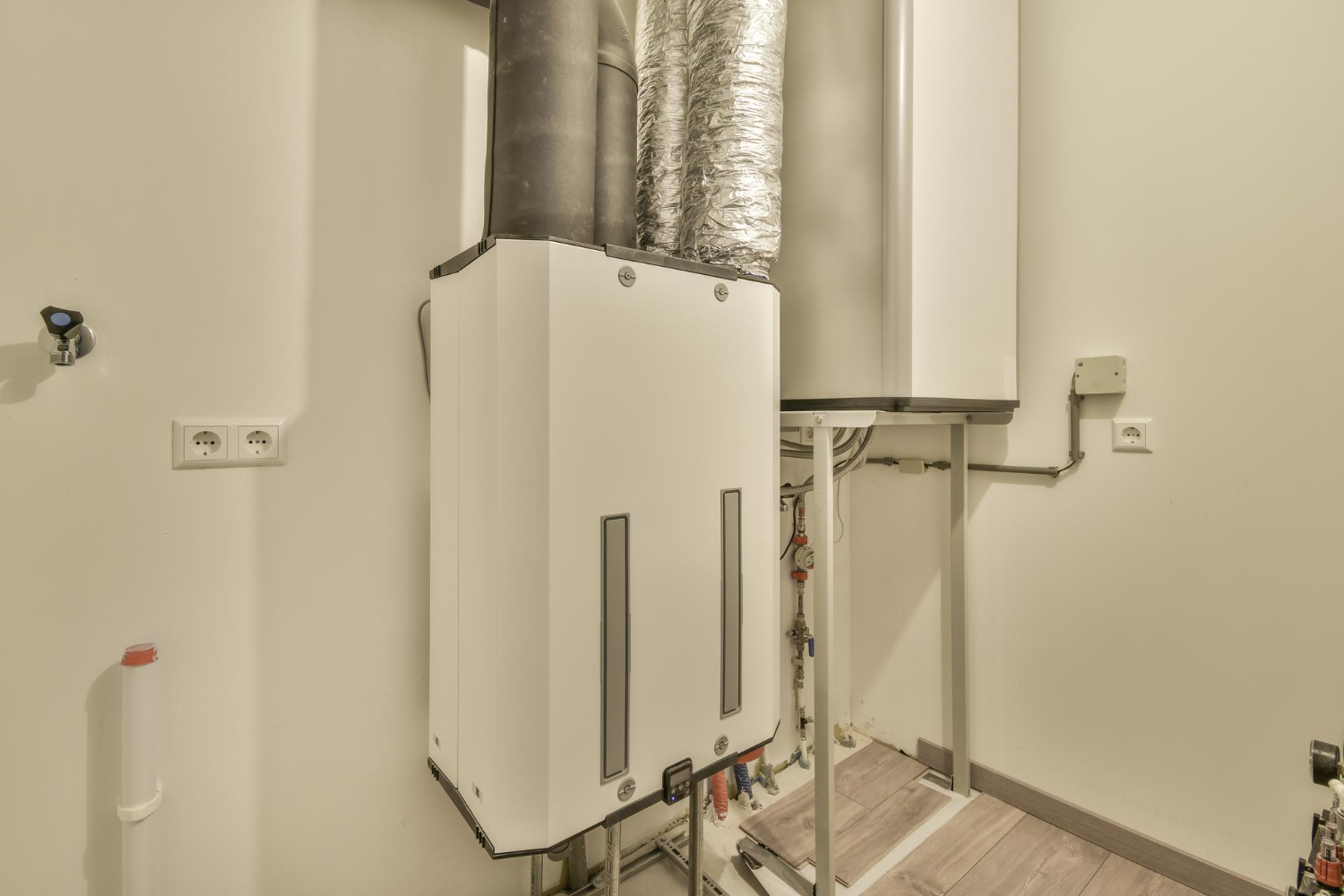
Your furnace keeps your home warm during cold weather, but it won’t work right if something breaks. When your heating system stops working well, you need to know what’s wrong and how to fix it.
A furnace that needs repair will show clear warning signs like strange noises, weak airflow, higher energy bills, or rooms that won’t heat up properly. These problems don’t fix themselves and often get worse over time. Understanding these signs helps you catch issues early before they turn into bigger, more expensive repairs.
This guide explains how to spot furnace problems, what causes them, and when to call for help. You’ll learn about common repair issues, safety concerns, and the benefits of fixing heating problems quickly.
Here’s what you need to know:
- Furnace need repair? Signs your heating system needs help now
- How do you know when a furnace needs repair?
- What causes a furnace to need repair?
- Is it safe to keep running a furnace that needs repair?
- When should you call a professional furnace repair service?
- What happens during a professional furnace repair?
- Benefits of fixing furnace problems early
- Why choose Swift Pro for furnace repair?
Keep reading! Knowing what to expect during a professional repair visit will help you make smart choices about your home’s heating system.
Furnace need repair? Signs your heating system needs help now
Your furnace will usually warn you before it breaks down completely. Learning these warning signs helps you avoid expensive repairs and cold nights.
Strange noises are often the first sign something is wrong. Your furnace should run quietly. If you hear banging, grinding, or squealing sounds, parts inside may be wearing out or breaking.
Watch for these common warning signs:
- Your heating bills suddenly increase without changing your usage
- Some rooms stay cold while others get too hot
- The furnace turns on and off more often than normal
- You smell unusual odors coming from the vents
- Yellow flames instead of blue in the burner
- More dust or dry air throughout your home
Cold air blowing from vents means your furnace is not heating properly. This could be a problem with the pilot light, thermostat, or heating element.
If your furnace is more than 15 years old and needs frequent repairs, it may be failing. Older systems also use more energy and break down more often.
Pay attention to your energy bills. A sudden spike in heating costs usually means your furnace is working harder than it should. This happens when parts wear out or the system loses efficiency.
Call a heating technician right away if you notice any of these signs. Early repairs cost less than waiting until your furnace stops working completely.
How do you know when a furnace needs repair?
Your furnace will show clear warning signs when something goes wrong, from strange sounds to higher energy bills. Recognizing these signals early helps you avoid complete system breakdowns and expensive emergency repairs.
No heat or weak airflow from vents
When you notice little or no heat coming from your vents, your furnace needs attention right away. This problem often starts with weak airflow that gets worse over time.
A clogged air filter is the most common cause of reduced airflow. When your filter gets dirty, it blocks air from moving through your system. You should check and replace your filter every 1-3 months during heating season.
Replacing a clogged filter is a first-line fix for airflow problems—the U.S. Department of Energy (DOE) recommends replacing furnace and heat pump filters once a month (or as needed) during colder months to keep air moving properly and avoid unnecessary strain.
Your blower motor might also be failing if you feel minimal air movement. The blower pushes warm air through your ducts, and when it malfunctions, your home stays cold even when the furnace runs. You might hear the furnace turn on but feel nothing at the vents.
Blocked or closed vents in your home can also restrict airflow. Make sure all vents stay open and clear of furniture or curtains.
Problems with your thermostat can make it seem like your furnace isn’t working. If the thermostat reads the wrong temperature or has dead batteries, it won’t signal your furnace to produce heat properly.
Furnace turning on and off frequently
Your furnace should run in steady cycles to heat your home efficiently. When it turns on and off every few minutes, this pattern is called short cycling.
Short cycling wastes energy and puts extra wear on your furnace parts. It also prevents your home from reaching the temperature you set on your thermostat.
A dirty filter forces your furnace to work harder and can trigger the limit switch to shut down early. This safety feature prevents overheating but creates the on-off pattern you notice. Replacing the filter often fixes this issue quickly.
Your thermostat location matters more than you might think. If it sits near a heat source like a sunny window or lamp, it will sense warmth too quickly and shut off your furnace before your whole home heats up.
An oversized furnace for your home will heat the space too fast and shut off repeatedly. This sizing problem requires professional assessment to solve properly.
Unusual noises such as banging or rattling
Normal furnaces make soft sounds when starting up or shutting down. Loud or strange noises signal that parts inside your furnace are loose, damaged, or failing.
Common furnace noises and what they mean:
- Banging or booming: Delayed ignition causing small gas buildups that ignite all at once
- Rattling: Loose panels, screws, or ductwork
- Squealing or screeching: Worn blower motor belt or motor bearings
- Grinding: Metal parts rubbing together from lack of lubrication
- Clicking: Failing ignition system or cracked heat exchanger
A banging sound when your furnace starts up needs immediate attention. This noise means gas is building up before igniting, which creates a small explosion in your combustion chamber.
Rattling noises usually come from loose parts vibrating during operation. While less urgent than banging, these sounds indicate your furnace needs tightening and inspection.
Never ignore grinding or screeching sounds. These noises mean metal components are wearing down and will fail soon without repair.
Strange odors coming from the furnace
Your nose can detect furnace problems before you notice other symptoms. Different smells indicate different issues with your heating system.
A burning dust smell when you first turn on your furnace for the season is normal. Dust collects on your heat exchanger during summer and burns off during the first few uses. This smell should disappear within an hour.
A metallic or electrical burning smell suggests overheating components or electrical problems. Turn off your furnace immediately if you smell this odor. Your blower motor or other electrical parts might be failing.
If you smell gas or rotten eggs, leave your home right away and call your gas company. Natural gas companies add this sulfur smell to help you detect dangerous gas leaks. Do not try to find the source or turn anything on or off.
A musty or moldy smell points to moisture problems in your ductwork or around your furnace. This issue affects your air quality and needs cleaning or repairs to prevent mold growth.
Burning plastic or rubber odors mean something is melting inside your furnace. This requires immediate professional repair to prevent fire hazards.
Sudden increase in heating bills
Your heating bills should stay fairly consistent from year to year when you account for weather changes. A sudden spike in costs without colder temperatures means your furnace is losing efficiency.
An aging furnace works harder to produce the same amount of heat. When parts wear down, your system runs longer cycles and uses more energy to maintain your desired temperature.
Compare your current bills to the same months from previous years. An increase of 15% or more suggests your furnace needs repair or replacement. Small yearly increases are normal as equipment ages, but large jumps indicate problems.
Leaky ductwork makes your furnace run longer because heated air escapes before reaching your rooms. You pay to heat air that never warms your living space. Sealing ducts improves efficiency significantly.
Your furnace might need cleaning if it’s working harder than usual. Dirt and debris on internal components reduce heat transfer and force your system to compensate by running longer.
Thermostat problems can also cause higher bills. A malfunctioning thermostat might keep your furnace running when it should cycle off, wasting energy throughout the day and night.
When a thermostat isn’t controlling temperature correctly, it can drive run time and costs—the DOE reports you can save as much as 10% per year on heating and cooling by setting the thermostat back 7°F–10°F for 8 hours per day.
What causes a furnace to need repair?
Furnaces break down for several specific reasons that range from simple maintenance issues to mechanical failures. Understanding these common causes helps you spot problems early and prevents your heating system from failing when you need it most.
Dirty or clogged air filters
Air filters trap dust, pet hair, and debris to keep your furnace running clean. When filters get clogged, they block airflow and force your furnace to work much harder than normal.
This extra strain causes your system to overheat and triggers the safety switch to shut everything down. Your energy bills go up because the furnace uses more power to push air through the blocked filter.
A dirty filter also lets dust and dirt reach internal parts of your furnace. This buildup damages components and shortens the life of your heating system.
You should check your filter every month during winter. Replace it every 1-3 months depending on how much you use your furnace and whether you have pets.
Faulty thermostat or wiring issues
Your thermostat tells your furnace when to turn on and off. A broken thermostat sends wrong signals or no signals at all to your heating system.
Common thermostat problems include dead batteries, incorrect settings, and poor placement near drafts or heat sources. These issues make your furnace run too long, not long enough, or not at all.
Wiring problems create more serious risks. Loose or damaged wires stop communication between your thermostat and furnace. Frayed wires can spark and create fire hazards that need immediate attention.
Older thermostats wear out over time and lose accuracy. Upgrading to a programmable or smart thermostat often solves these problems and improves your comfort.
Worn out blower motor or fan components
The blower motor pushes warm air through your ducts and into your home. This motor runs constantly during heating cycles and wears down over years of use.
Warning signs of blower problems include weak airflow from vents, loud squealing or grinding noises, and rooms that stay cold. The fan belt can crack or break, and bearings inside the motor fail from normal wear.
Dust and dirt buildup on fan blades throws them off balance. This causes vibration that damages the motor and other furnace parts. The capacitor that starts the motor can also fail and prevent the blower from running.
Most blower motors last 10-20 years with proper care. Regular cleaning and lubrication extend motor life, but eventually all motors need replacement.
Ignition or pilot light failure
Gas furnaces need a working ignition system to create heat. Modern furnaces use electronic igniters, while older models rely on standing pilot lights.
Electronic igniters can crack from repeated heating and cooling cycles. When the igniter breaks, it cannot light the gas and your furnace blows cold air. A dirty or misaligned flame sensor also shuts down the ignition as a safety measure.
Pilot lights go out from drafts, dirt in the gas line, or a faulty thermocouple. If your pilot light keeps going out, you have a problem that needs professional heating system repair.
Gas supply issues also prevent ignition. A closed valve, empty propane tank, or gas line problem stops fuel from reaching the burners.
Lack of regular furnace maintenance
Skipping annual maintenance leads to most furnace breakdowns. Professional tune-ups catch small problems before they become expensive heating system repair jobs.
During maintenance, technicians clean burners, check gas pressure, test safety controls, and inspect all moving parts. They spot worn components and replace them before they fail completely.
Without regular service, dirt builds up inside your furnace and reduces efficiency. Parts wear out faster and your system works harder to heat your home. This increases your energy costs and shortens your furnace’s lifespan.
Manufacturer warranties often require annual maintenance. If you skip service and your furnace breaks, you might pay full price for repairs that would have been covered.
Is it safe to keep running a furnace that needs repair?
Running a furnace that needs repair puts your home and family at risk. Problems with your heating system can lead to dangerous gas leaks, electrical hazards, and poor air quality that affects your health.
Safety risks from gas leaks or electrical issues
Gas furnaces can develop cracks in the heat exchanger, which allows carbon monoxide to leak into your home. Carbon monoxide is a colorless, odorless gas that can cause headaches, dizziness, nausea, and even death at high levels.
If your furnace is producing carbon monoxide due to combustion or venting problems, it can be dangerous—the CDC notes that gas- and oil-burning furnaces produce carbon monoxide (CO) and recommends having your furnace inspected every year to help prevent CO poisoning.
You should watch for warning signs like a yellow or flickering pilot light instead of a steady blue flame. Strange smells near your furnace, especially a rotten egg odor from natural gas, mean you need to shut off your system immediately.
Electrical problems in your furnace can spark fires or cause electric shocks. Frayed wires, loose connections, and faulty circuits become more common as your system ages. These issues often show up as frequent circuit breaker trips or burning smells near your furnace.
Never ignore these warning signs:
- Soot or scorch marks around your furnace
- Excessive rust or corrosion on components
- Water pooling near the unit
- Unusual sounds like banging or grinding
Increased risk of complete furnace breakdown
A small problem in your furnace can quickly turn into a major failure when you keep running the system. Minor issues put extra stress on other components, causing them to wear out faster than normal.
Your furnace works harder to maintain the temperature you set when something isn’t working right. This extra strain damages motors, belts, and other moving parts. What starts as a simple $200 repair can become a $2,000 emergency replacement.
Breakdowns usually happen during the coldest days when your furnace runs the most. You’ll face higher emergency service fees and limited technician availability during peak winter months. Your family may need to stay elsewhere while you wait for repairs in freezing temperatures.
Reduced indoor air quality
Your furnace plays a key role in circulating and filtering air throughout your home. A malfunctioning system can’t properly filter out dust, allergens, and other particles. You’ll notice more dust settling on furniture and worsening allergy symptoms.
Cracked heat exchangers and damaged components release harmful particles into your air supply. These contaminants include carbon particles, combustion byproducts, and microscopic debris from worn parts.
Poor air quality affects everyone in your home but poses the greatest risk to children, elderly family members, and anyone with respiratory conditions. You might experience more frequent colds, respiratory infections, or asthma attacks.
Higher energy costs from inefficient operation
Your furnace uses more fuel or electricity when it struggles with mechanical problems. Dirty filters, worn blower motors, and faulty igniters all force your system to work longer to heat your home.
Your monthly heating bills can increase by 20-30% when your furnace operates with unresolved issues. A furnace that cycles on and off too frequently wastes energy during each startup. Leaky ductwork connected to a failing system compounds these losses.
You’re essentially paying more money for less comfort while damaging your furnace further. The extra costs you spend on inflated energy bills could cover the repair expenses you’re trying to avoid.
When should you call a professional furnace repair service?
Some furnace problems are too complex or dangerous to handle on your own. Calling a professional keeps your home safe and prevents small issues from turning into expensive repairs.
Furnace stops working completely
A furnace that won’t turn on at all needs immediate attention from a repair service. Check your thermostat settings and circuit breaker first, but if those aren’t the problem, you need professional help.
Complete system failure means something serious is wrong with your furnace. The issue could be a faulty ignition system, a broken blower motor, or a failed control board. These components require special tools and training to diagnose and fix safely.
Don’t wait days in the cold trying to figure it out yourself. Emergency furnace repair services can diagnose the problem quickly and get your heat working again. A trained technician can spot related issues that might cause future breakdowns.
Repeated system shutdowns or error codes
Your furnace shouldn’t turn itself on and off constantly or display error codes on the thermostat. These warning signs mean your system is having trouble and needs professional diagnosis.
Short cycling wears out your furnace components faster and increases your energy bills. The problem could be a dirty filter, a failing thermostat, or a more serious mechanical issue. A furnace repair service has the expertise to identify why your system keeps shutting down.
Error codes on newer furnaces point to specific problems within the system. While you can look up the code in your manual, fixing the underlying issue usually requires professional equipment and knowledge. Don’t ignore these warnings or reset the system repeatedly without addressing the cause.
Burning smells or carbon monoxide concerns
Any burning smell or carbon monoxide detector alarm requires immediate action. Turn off your furnace right away and call for emergency furnace repair.
A burning smell could mean dust burning off at the start of heating season, but it might also signal electrical problems or overheating components. If the smell persists for more than a few minutes or smells like burning plastic, shut down your system.
Carbon monoxide is deadly and has no odor. Your detector is your only warning. Leave your home immediately if the alarm sounds and call both emergency services and a furnace repair service.
Yellow or flickering pilot lights indicate incomplete combustion and possible carbon monoxide production. A healthy flame should be blue. Contact an HVAC technician immediately if you notice this change.
Furnace is more than 10 years old and malfunctioning
Older furnaces need professional attention when problems arise because they’re more likely to have worn-out parts. A furnace repair service can tell you if repair or replacement makes more financial sense.
Furnaces over 10 years old that break down frequently cost more to keep running than newer models. Parts become harder to find and repairs add up quickly. A professional can inspect your system and give you honest advice about your options.
Rising energy bills combined with an aging furnace often mean your system is losing efficiency. A technician can measure your furnace’s performance and calculate whether repairs will restore adequate heating or if you’re throwing money at a failing system.
What happens during a professional furnace repair?
A furnace repair visit follows a structured process where technicians examine your heating system, pinpoint the problem, fix or replace broken parts, and verify everything works safely before they leave.
Full system inspection and diagnostics
The technician starts by checking your entire furnace system to understand its condition. They look at the thermostat settings, inspect the air filter, and examine the blower motor and fan belt for wear. The heat exchanger gets checked for cracks or damage since this is a critical safety component.
Your technician will test the ignition system and burners to see if they light properly. They measure airflow throughout the system and check all electrical connections for loose wires or corrosion.
The inspection includes examining the flue pipe and venting system to make sure exhaust gases leave your home safely. They also test the furnace’s safety controls like the limit switch and flame sensor to verify they work correctly.
Identifying the root cause of furnace problems
After the initial inspection, the technician uses diagnostic tools to find the exact problem. They may use a multimeter to test electrical components and measure voltage. A manometer helps them check gas pressure to ensure it’s at the right level.
The technician observes how your furnace cycles on and off. They listen for unusual sounds like grinding, squealing, or banging that point to specific issues. Strange smells can also help identify problems with gas leaks or overheating components.
They review error codes displayed on your furnace’s control board. Modern furnaces store these codes to help pinpoint issues quickly. The technician combines all these findings to determine whether you need a simple fix or more extensive repairs.
Repair or replacement of damaged components
Once the problem is clear, the technician explains what needs fixing and provides a cost estimate. They tell you if parts need replacement or if repairs will solve the issue. Common repairs include replacing a cracked heat exchanger, broken igniter, or faulty thermocouple.
Your technician may need to replace the blower motor, capacitor, or flame sensor. Gas valve replacements require careful handling and testing. They might clean dirty burners or replace a worn-out belt.
For some repairs, the technician has parts in their truck and can fix things immediately. Other repairs need special-ordered parts, which means scheduling a follow-up visit. They complete the work according to manufacturer specifications and local building codes.
Performance testing and safety checks
After repairs finish, the technician tests your furnace to confirm it works properly. They run multiple heating cycles and monitor how the system performs. Temperature readings verify the furnace reaches the correct heat output.
The technician checks for gas leaks using specialized detection equipment. They measure carbon monoxide levels to ensure no dangerous gases leak into your home. Airflow measurements confirm your system moves the right amount of heated air.
They verify all safety controls activate when they should. The limit switch must shut off the burners if temperatures get too high. Your technician adjusts the burner flames to burn blue and clean, which means efficient combustion. They replace your air filter if needed and show you how the system operates before they leave.
Benefits of fixing furnace problems early
Getting your furnace repaired quickly saves money, keeps your home comfortable, and prevents dangerous situations. Early repairs also help your system last longer and work better throughout the heating season.
Restore consistent and reliable heat
A malfunctioning furnace often creates uneven temperatures throughout your home. Some rooms may feel freezing while others stay warm. This happens when parts like the blower motor or thermostat stop working correctly.
Early repairs fix these problems before they get worse. Your furnace will distribute heat evenly again, keeping every room at the temperature you set. You won’t need to adjust the thermostat constantly or use space heaters in cold spots.
Quick fixes also stop your furnace from cycling on and off too frequently. When your system turns on and off repeatedly, it never reaches the right temperature. Repairing the issue returns your furnace to its normal heating cycle.
Improve energy efficiency and lower bills
A damaged furnace uses more energy to produce the same amount of heat. Your system has to run longer and work harder to warm your home. This extra effort shows up directly on your utility bills each month.
Timely repairs restore your furnace to peak efficiency. Fixed components allow your system to heat your home using the proper amount of fuel or electricity. Most homeowners notice their energy bills drop after getting necessary repairs done.
Common efficiency problems that repairs solve:
- Dirty or clogged filters forcing the system to work harder
- Worn blower belts reducing airflow
- Faulty thermostats causing unnecessary heating cycles
- Cracked heat exchangers wasting fuel
An efficient furnace also reduces your environmental impact by using less energy overall.
Prevent costly emergency breakdowns
Small furnace problems usually turn into bigger ones when ignored. A minor issue today can cause complete system failure during the coldest night of winter. Emergency repairs cost significantly more than scheduled maintenance visits.
Early repairs catch problems while they’re still manageable. A technician can replace a worn belt for under $100 before it snaps and damages other components. Waiting until the belt breaks might result in a $500+ repair bill that includes multiple parts.
You also avoid the inconvenience of being without heat. Emergency service calls during winter often mean waiting hours or even days for a technician. Scheduling repairs when you first notice problems gives you better appointment times and lower rates.
Extend the lifespan of the furnace
Furnaces typically last 15 to 20 years with proper care. Running a system with damaged parts shortens this lifespan considerably. Each broken component forces other parts to work harder, creating a chain reaction of wear.
Quick repairs stop this damage from spreading through your system. When you fix a malfunctioning part, the rest of your furnace operates under normal conditions again. This protection helps your entire system reach its expected lifespan.
The cost difference matters significantly. Replacing a furnace costs between $3,000 and $7,000 depending on your home size and system type. Spending a few hundred dollars on repairs every few years protects your larger investment.
Regular repairs also maintain your manufacturer’s warranty. Many warranties require professional maintenance and timely repairs to stay valid.
Ensure safe operation for your home
Broken furnaces can create serious safety risks for your household. Cracked heat exchangers may leak carbon monoxide into your living spaces. This colorless, odorless gas causes illness and can be fatal.
Other safety issues include gas leaks, electrical fires, and overheating components. Professional repairs identify and fix these hazards before they endanger your family. Technicians check for proper ventilation, secure gas connections, and correct electrical wiring.
Safety problems that require immediate repair:
- Yellow or flickering burner flames instead of blue
- Strong gas or burning smells near the furnace
- Soot buildup around the unit
- Excessive moisture or rust on furnace components
Early repairs give you peace of mind that your heating system operates safely. You can sleep comfortably knowing your furnace won’t create dangerous conditions while running overnight.
Why choose Swift Pro for furnace repair?
When your furnace breaks down, you need a repair company that responds quickly and gets the job done right. Swift Pro offers experienced technicians, transparent pricing, and reliable service for all types of furnace problems.
Experienced and certified heating technicians
Swift Pro employs technicians who hold proper certifications and have years of hands-on experience with furnace systems. These professionals understand how different heating systems work and can diagnose problems accurately.
Each technician receives ongoing training to stay current with new furnace technologies and repair methods. This means they can handle both older units and newer high-efficiency models. When a certified technician arrives at your home, they bring the knowledge needed to identify the root cause of your furnace problem quickly.
The company’s technicians also prioritize safety during every repair. They follow industry standards and local codes to ensure your furnace operates safely after the repair is complete.
Fast response and reliable repair solutions
Furnace breakdowns often happen at the worst times, especially during cold weather. Swift Pro provides quick response times to get your heating system running again.
The company offers emergency repair services for urgent situations. Their technicians carry common replacement parts on their service vehicles, which allows them to complete many repairs in a single visit. This approach saves you time and gets your home warm faster.
Swift Pro focuses on finding solutions that last. Rather than applying temporary fixes, their technicians address the underlying issues causing your furnace problems. This thorough approach helps prevent repeat breakdowns and extends the life of your heating system.
Honest recommendations and transparent pricing
You receive upfront pricing before any repair work begins. Swift Pro provides detailed explanations of what needs to be fixed and why, so you can make informed decisions about your furnace.
The technicians don’t push unnecessary repairs or replacements. If your furnace can be fixed cost-effectively, they’ll recommend repair. If replacement makes more financial sense, they’ll explain the reasons clearly.
You’ll get a written estimate that breaks down labor costs and parts. There are no hidden fees or surprise charges added to your bill. This transparent approach helps you budget for the repair and eliminates uncertainty about costs.
Expertise with all furnace makes and models
Swift Pro services all major furnace brands and types. Whether you have a gas furnace, electric furnace, or oil furnace, their technicians have the skills to repair it.
The company works with systems from manufacturers like Carrier, Trane, Lennox, Rheem, Goodman, and many others. Their technicians understand the specific components and common issues associated with each brand. This broad expertise means you don’t need to search for a specialist when your particular furnace model needs attention.
They also handle different furnace configurations, including single-stage, two-stage, and modulating units. No matter what type of heating system you have, Swift Pro has the technical knowledge to repair it properly.
Commitment to customer satisfaction
Swift Pro treats your home with respect during every service call. Technicians protect your floors and work areas, and they clean up thoroughly after completing repairs.
The company stands behind its work with warranties on repairs. If something goes wrong after a repair, they’ll address it promptly. Customer reviews highlight their reliability and quality workmanship.
You can also access preventive maintenance plans that help keep your furnace running efficiently throughout the year. These plans include priority scheduling, which means you get faster service when you need repairs. Regular maintenance through these programs helps catch small problems before they turn into expensive breakdowns.
Conclusion
Your furnace works hard to keep your home warm and comfortable during cold weather. Paying attention to warning signs helps you catch problems early before they turn into bigger issues.
When you notice strange noises, weak airflow, or higher energy bills, these signals mean your furnace needs professional attention. Ignoring these signs can lead to complete system failure at the worst possible time.
Getting your furnace repaired quickly saves you money in the long run. Small fixes cost much less than emergency repairs or full replacements. Plus, a well-maintained furnace runs more efficiently and lasts longer.
Most furnace problems need trained technicians to diagnose and fix them safely. Gas furnaces especially require professional service because of safety risks. A qualified technician has the right tools and knowledge to handle repairs correctly.
Regular maintenance helps prevent many common furnace problems. Schedule annual inspections before winter starts to catch potential issues early.
Don’t wait until your furnace stops working completely. Contact a licensed HVAC professional as soon as you notice something wrong. They can assess your system and recommend the best solution for your situation.Schedule a furnace repair service visit with Swift Pro as soon as you notice short cycling, weak airflow, unusual odors, or rising heating bills so a technician can diagnose the root cause, correct unsafe conditions, and restore proper heating output.
TABLE OF CONTENTS
- 1 Furnace need repair? Signs your heating system needs help now
- 2 How do you know when a furnace needs repair?
- 3 What causes a furnace to need repair?
- 4 Is it safe to keep running a furnace that needs repair?
- 5 When should you call a professional furnace repair service?
- 6 What happens during a professional furnace repair?
- 7 Benefits of fixing furnace problems early
- 8 Why choose Swift Pro for furnace repair?
- 9 Conclusion
