


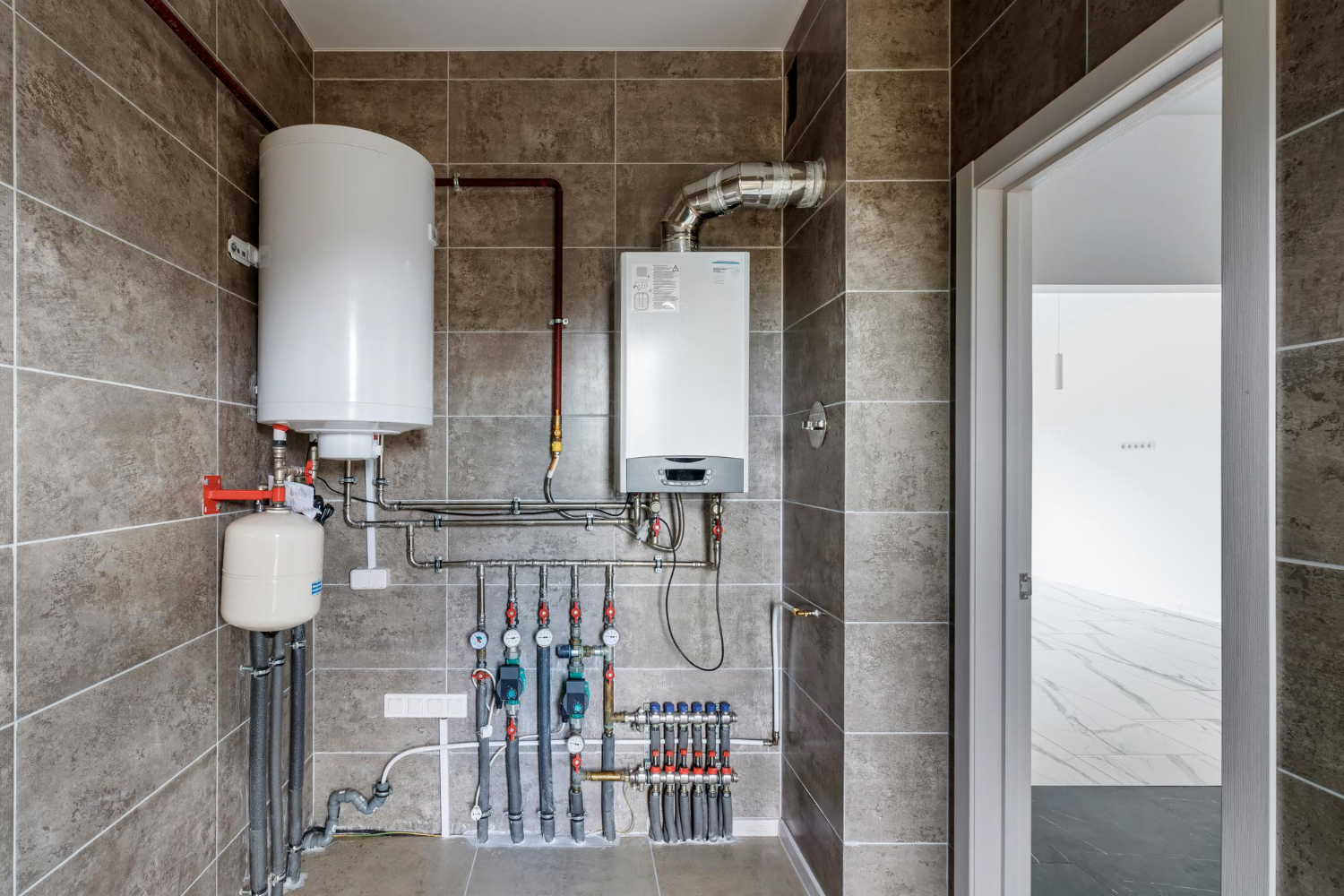
Heating system replacement in Fairfax County, VA typically involves choosing between furnaces, heat pumps, or boilers, with costs ranging from a few thousand to over ten thousand dollars depending on the system type and your home’s size.
When your heating system starts breaking down frequently or can’t keep your home warm during winter, it might be time for a replacement rather than another repair. Many local HVAC companies offer installation services and can help you select the right option for your needs.
You’ll need to consider factors like energy efficiency, system compatibility, and your budget. This guide walks you through recognizing warning signs, selecting the best system, and planning for installation costs.
Proper preparation and ongoing maintenance after replacement ensure your new heating system runs efficiently for 15 to 20 years. Working with experienced professionals in Fairfax County means you get quality installation and reliable service when you need it most.
In this article, you’ll learn how to plan heating system replacement Fairfax County VA, including warning signs, system options, and what to expect from professional installation.
Let’s break down to the key points you should know about:
- Signs you need a heating system replacement
- Choosing the right heating system for your home
- Preparing for professional heating system replacement
- Costs and financing options
- Post-replacement maintenance for longevity
Keep reading! Understanding when to replace your heating system and what to expect during the process helps you make smart decisions for your home.
Signs you need a heating system replacement
Your heating system shows clear warning signs when it’s failing, and catching these early can save you from costly emergency repairs during winter. Watch for frequent breakdowns, uneven heating throughout your home, and systems that have reached the end of their expected lifespan.
Frequent breakdowns and rising repair costs
Your furnace shouldn’t need repairs more than once every few years. If you’re calling for service multiple times in a single season, replacement makes more financial sense than continued repairs.
A good rule is the $5,000 guideline. Multiply the repair cost by your system’s age. If the result exceeds $5,000, replace the unit instead of fixing it.
Common signs of excessive repair needs:
- Emergency service calls more than twice per heating season
- Repair costs exceeding 50% of a new system’s price
- Same components failing repeatedly
- Parts becoming harder to find due to system age
Older furnaces often need replacement parts that cost more because they’re no longer manufactured in large quantities. Your repair technician may need extra time to locate compatible components for systems over 20 years old.
Inconsistent heating or uneven temperatures
Some rooms feeling too cold while others are too warm indicates your heating system can’t distribute air properly anymore. This problem goes beyond simple thermostat adjustments.
Your furnace might run constantly but fail to reach the temperature you set. The blower motor, heat exchanger, or ductwork connections may be failing. These issues waste energy and leave your family uncomfortable.
Cold spots often appear in rooms farthest from the furnace first. You might notice bedroom temperatures dropping while the living room stays warm. This happens when the system lacks the power to push heated air through your entire home.
Age of your system and efficiency loss
Most furnaces last 15 to 20 years with proper maintenance. Systems older than 15 years lose efficiency even when they still produce heat.
Your energy bills climbing steadily each winter signals reduced efficiency. A furnace working harder to produce the same heat uses more fuel or electricity. New models use 20-30% less energy than units from the early 2000s.
Check your furnace’s manufacturing date on the metal plate inside the unit door. If your system was installed before 2010, furnace replacement Fairfax County services can assess whether a new high-efficiency model would lower your monthly costs. Modern systems include variable-speed blowers and modulating burners that adjust output based on actual heating needs rather than running at full capacity constantly.
Choosing the right heating system for your home
The heating system you select will affect your energy bills, comfort levels, and home value for years to come. Your choice should balance initial costs with long-term efficiency while meeting Fairfax County’s climate demands.
Energy-efficient options for Fairfax County homes
Heat pumps stand out as the most energy-efficient choice for Fairfax County’s mild winters. These systems move heat rather than generate it, using up to 50% less electricity than traditional electric heating. Modern heat pumps work efficiently in temperatures down to 25°F, which covers most of Fairfax County’s winter weather.
Gas furnaces with AFUE ratings of 95% or higher offer another efficient option. These condensing furnaces capture heat that older models waste through the exhaust. You’ll pay more upfront, but your monthly gas bills can drop by 20-30% compared to standard furnaces.
Hybrid systems combine a heat pump with a gas furnace backup. The heat pump handles moderate weather while the furnace kicks in during cold snaps. This setup gives you the lowest operating costs across Fairfax County’s variable winter temperatures.
Boilers with Energy Star certification provide efficient heating for homes with radiant floor systems or baseboard heat. New condensing boilers reach efficiency ratings above 90%, making them competitive with other heating options.
Matching system size to your home’s needs
Your heating system’s capacity directly impacts both comfort and efficiency. Systems that are too large cycle on and off frequently, wasting energy and creating temperature swings. Undersized systems run constantly and struggle to maintain warmth during cold periods.
Professional load calculations account for your home’s square footage, insulation levels, window quality, and air leakage. A 2,000-square-foot home in Fairfax County typically needs 60,000 to 80,000 BTUs of heating capacity, but your specific requirements may differ based on these factors.
Heating capacity is measured in BTUs per hour for furnaces and boilers, while heat pumps use ton ratings. One ton equals 12,000 BTUs of heating or cooling capacity. Your HVAC contractor should perform a Manual J calculation to determine the exact size you need.
Ductwork condition affects sizing requirements too. Leaky or undersized ducts force your system to work harder, requiring additional capacity to compensate for lost heat.
Modern features to improve comfort and savings
Variable-speed blowers adjust airflow based on heating demands rather than running at full power constantly. These motors reduce energy use by 50-75% compared to single-speed models and eliminate hot and cold spots throughout your home.
Smart thermostats learn your schedule and preferences while providing remote control through your phone. You can save 10-15% on heating costs by automatically reducing temperatures when you’re away or sleeping.
Per the U.S. Department of Energy (DOE), you can save as much as 10% per year on heating and cooling by setting your thermostat back 7°–10°F for about 8 hours a day, which supports using scheduled setbacks after a heating system replacement.
Zoned heating systems use multiple thermostats and dampers to control temperatures in different areas. You avoid heating unused rooms and can customize comfort levels for each family member. This setup works particularly well in larger Fairfax County homes with multiple floors.
Modulating gas valves and two-stage compressors let your system match output to current conditions. These features maintain steadier temperatures while using less fuel than systems that only run at full capacity.
Preparing for professional heating system replacement
Getting your home ready for a new heating system involves coordination between you and your HVAC contractor. The process includes measurements, clearing work areas, and understanding what happens during installation.
Pre-installation inspection and measurements
A professional HVAC installation in Fairfax starts with a thorough assessment of your home. Your contractor will measure your living space to calculate the heating load and determine the right system size for your needs. They’ll inspect your existing ductwork for leaks, damage, or sizing issues that could affect performance.
The technician will also check your electrical panel to confirm it can handle the new system’s power requirements. Some modern heating systems need upgraded wiring or a dedicated circuit. Your contractor will examine the current equipment location and verify that the new system fits the available space.
They’ll take note of your thermostat placement and discuss whether you want to upgrade to a programmable or smart model. This inspection typically takes 30 to 60 minutes and gives you an accurate quote for the complete job.
ENERGY STAR (U.S. EPA) reports that certified smart thermostats save an average of about 8% on heating and cooling bills (about $50 per year, on average), depending on climate and household patterns.
What to expect on installation day
Installation usually takes one to two days depending on system complexity. The crew will arrive with all necessary equipment and materials. They’ll protect your floors and walls with drop cloths and take care to minimize dust and debris.
You’ll hear noise from tools, equipment removal, and new system installation. The team will disconnect and remove your old heating system first. They’ll install the new unit, connect it to your ductwork and electrical system, and test all components.
Plan to stay home during installation to answer questions and approve any unexpected changes. Keep children and pets away from the work area for safety. Your heat will be off during most of the installation, so schedule the work when you can manage without heating for several hours.
Safety and clearance considerations
Your new heating system needs proper clearance to operate safely and efficiently. Most systems require 24 to 36 inches of clear space on all sides for maintenance access and airflow. Remove stored items, boxes, and furniture from the installation area before the crew arrives.
Keep flammable materials away from the furnace location. This includes paint, cleaning supplies, gasoline, and paper products. Your contractor will verify that smoke detectors and carbon monoxide detectors work properly near the heating system.
The installation area needs adequate ventilation, especially for gas furnaces that require proper venting to the outside. Your technician will check that all venting meets local building codes and safety standards.
Costs and financing options
Replacing a heating system in Fairfax County requires understanding the upfront investment and available payment solutions. Heating system replacement costs vary based on several factors, and financing can make upgrades more manageable for your budget.
Fairfax County Land Development Services states that any gas appliance installation or replacement—including a furnace—requires a permit even when it’s a like-for-like replacement, which is why permitting should be included in your heating system replacement plan and timeline.
Typical replacement cost in Fairfax County VA
The average heating system replacement cost in Fairfax County ranges from $3,500 to $10,000 for most residential installations. A basic furnace replacement typically starts around $3,500 to $5,000, while high-efficiency systems can reach $7,000 to $10,000 or more.
Mid-range heating systems usually fall between $5,000 and $7,500 installed. This price includes the equipment, labor, and standard installation work.
Additional costs you should expect include permits and inspection fees required for HVAC replacement projects in Fairfax. These fees generally add $600 to $800 to your total project cost. Virginia sales tax on materials and supplies also applies to your final bill.
Factors that affect pricing (size, type, labor)
System size directly impacts your replacement cost. Larger homes need more powerful heating units measured in BTUs, which cost more than smaller units. Your contractor will calculate the correct size based on your home’s square footage.
System type creates significant price differences:
- Gas furnaces: $3,500 – $7,000
- Electric furnaces: $2,500 – $5,500
- Heat pumps: $5,000 – $10,000
- Boilers: $6,000 – $12,000
Labor costs in Fairfax County reflect the region’s higher cost of living and skilled technician wages. Labor typically accounts for 30-40% of your total replacement cost. NATE-certified technicians may charge more but provide higher quality installations.
Efficiency ratings also affect pricing. High-efficiency models with AFUE ratings above 95% cost more upfront but reduce your monthly energy bills.
Financing options and long-term savings
Multiple HVAC companies in Fairfax offer financing plans to help you manage replacement costs. These financing options let you spread payments over time with approved credit instead of paying the full amount upfront.
Many local contractors partner with financing companies to provide flexible payment plans. You can apply directly through your HVAC contractor and often receive same-day approval for qualified applicants.
Energy-efficient heating systems reduce your monthly utility bills significantly. Since heating and cooling accounts for about half of your home’s energy use, upgrading to a high-efficiency system can save you 20-40% on heating costs each year.
Manufacturer warranties protect your investment for parts and components. Most new heating systems come with warranties ranging from 5 to 10 years. Local contractors typically provide one-year warranties on installation labor, giving you added protection for your replacement project.
Post-replacement maintenance for longevity
A new heating system requires regular attention to reach its full 15-20 year lifespan. Simple maintenance tasks and knowing when to call professionals will keep your system running efficiently and prevent costly breakdowns.
Recommended maintenance schedule
Change your air filters every 1-3 months depending on usage and household conditions. Homes with pets or high dust levels need more frequent changes.
Schedule professional maintenance twice per year. Have a technician inspect your system before the heating season in fall and again in spring. These visits catch small problems before they become expensive repairs.
Check your thermostat batteries annually and replace them as needed. Clean vents and registers monthly to maintain proper airflow throughout your home.
Inspect visible components of your heating system monthly. Look for unusual sounds, leaks, or signs of wear. Keep the area around your heating unit clear of stored items and debris.
How to extend system lifespan and efficiency
Install a programmable or smart thermostat to reduce strain on your system. Lower temperatures when you’re away or sleeping to prevent unnecessary cycles.
Seal and insulate your ductwork to prevent heat loss. Leaky ducts waste energy and make your system work harder than necessary.
Keep outdoor units free from leaves, snow, and other debris. Maintain at least two feet of clearance around the unit for proper airflow.
Monitor your energy bills for unexpected increases. Higher bills often signal efficiency problems that need attention.
Replace worn weatherstripping around doors and windows. Better insulation reduces the workload on your heating system and lowers energy costs.
When to call for professional service
Contact a technician immediately if you smell gas or burning odors. These situations require urgent attention for safety reasons.
Call for service when you notice uneven heating between rooms or frequent cycling. These issues indicate problems with airflow, thermostats, or system components.
Strange noises like banging, grinding, or squealing need professional diagnosis. These sounds often signal mechanical problems that worsen without repair.
Schedule a service call if your energy bills spike without explanation. A sudden increase typically means your system is losing efficiency and needs adjustment or repair.
Contact professionals when your system fails to reach set temperatures or runs constantly without shutting off. These problems waste energy and stress system components.
Conclusion
Your heating system keeps your home comfortable during cold Virginia winters. When it’s time for a replacement, you need to choose the right company and equipment for your needs.
Working with a qualified HVAC professional in Fairfax County ensures proper installation and long-term performance. Local companies understand the area’s climate and can recommend systems that match your home’s size and layout.
A new heating system is a significant investment that will serve your family for years. You deserve reliable warmth and lower energy bills. The right contractor will guide you through equipment options and explain the installation process clearly.
Don’t wait until your current system fails completely. If your heater is over 15 years old, makes strange noises, or struggles to heat your home evenly, replacement may be your best option. Many Fairfax County companies offer emergency services, but planning ahead gives you more choices and better pricing.
Your comfort matters. Take time to research your options and select a heating system that fits your budget and meets your family’s needs. Local HVAC professionals are ready to help you make an informed decision about your home’s heating future.
Schedule an in-home evaluation and written estimate with Swift Pro for heating system replacement in Fairfax County, VA so a licensed technician can size the equipment correctly, confirm ductwork and electrical requirements, and install an energy-efficient system that meets local code.
