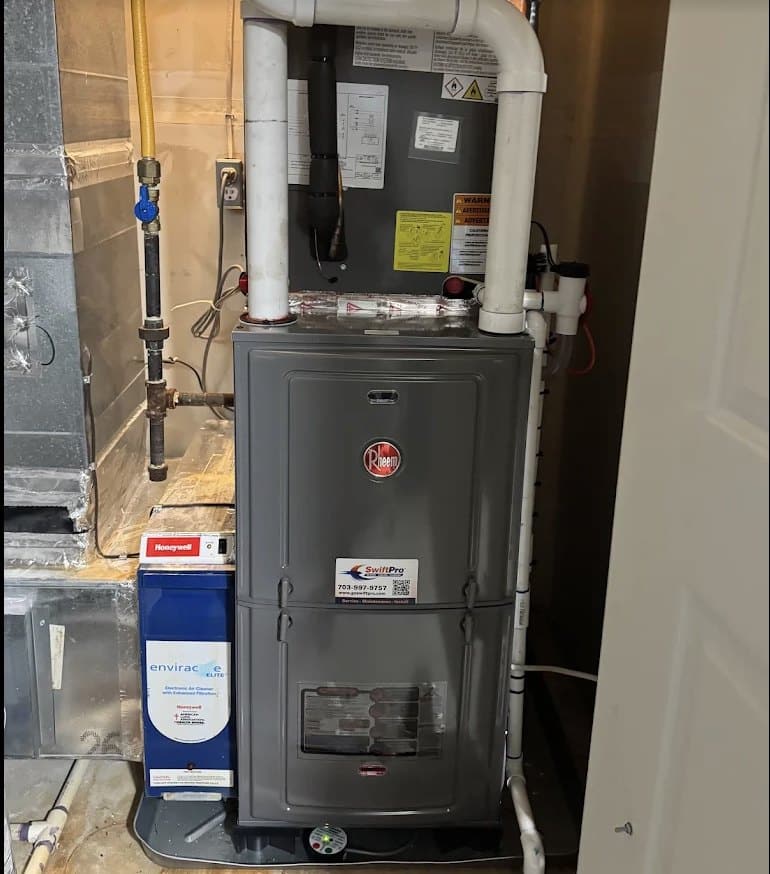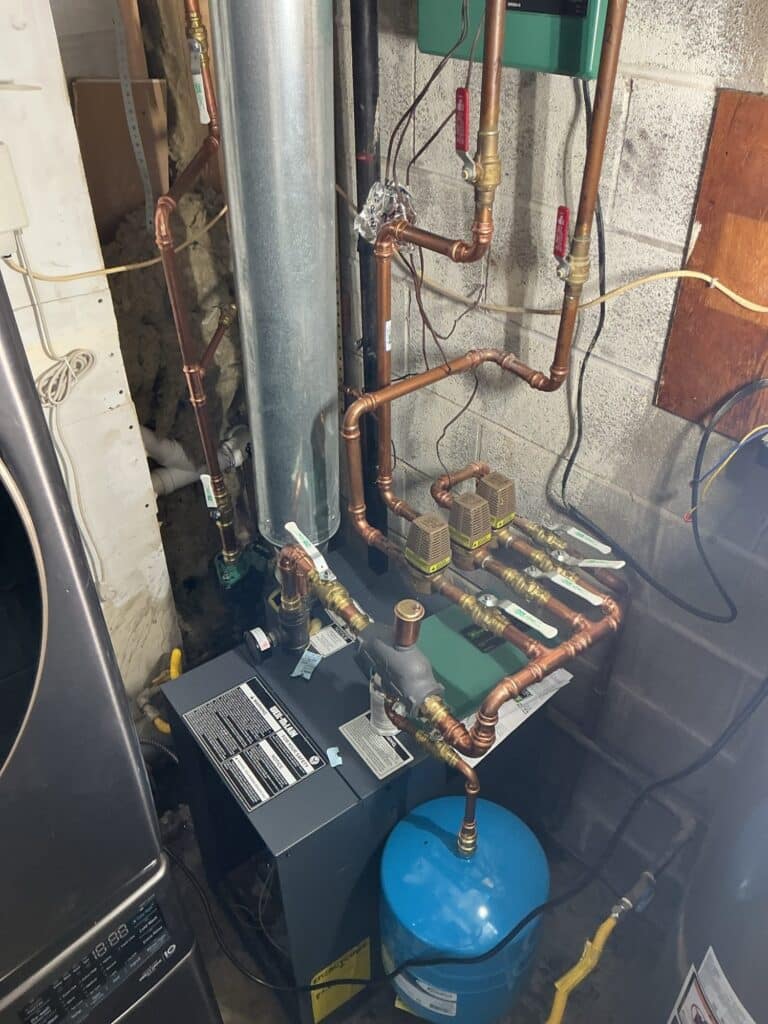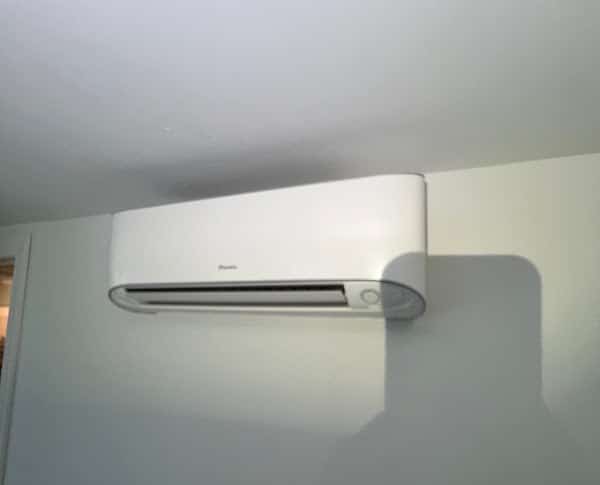


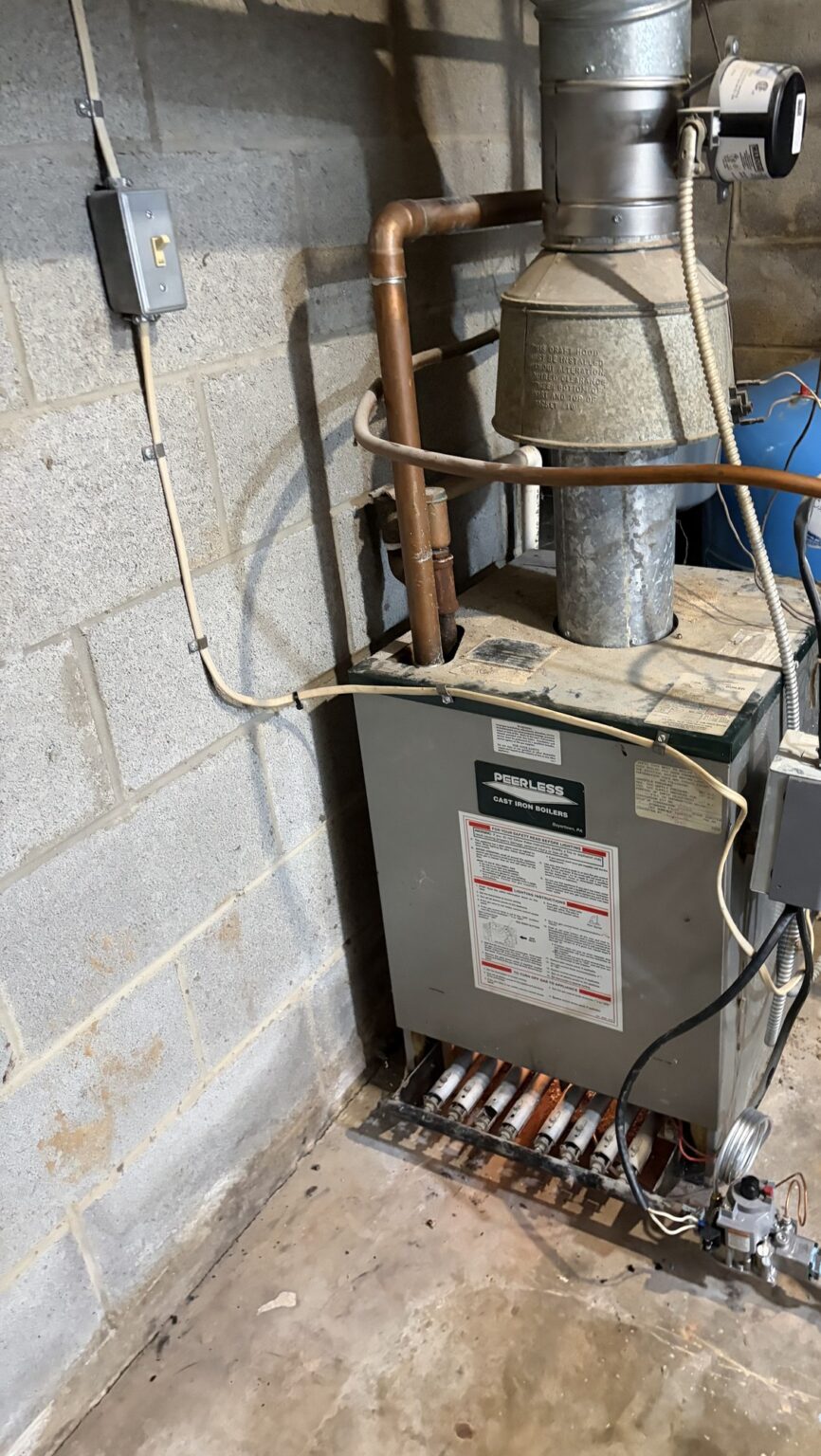
A church is the hardest kind of building to heat well, and the reasons are structural rather than mechanical. High ceilings send warm air where nobody is sitting. The sanctuary is full for two hours and empty for a hundred and sixty-six. The equipment is often decades old, replaced by whichever committee had the budget in whichever year, so one building can contain four generations of heating. And there is rarely anyone on staff whose job is to notice a problem before Sunday morning.
If you are on a property committee, here is what actually matters, in the order it matters.
The setback question, which is where most of the money is
The instinct is to shut the heat off between services. The instinct is roughly right and the execution is usually wrong, and the difference is significant money either way.
What works: a deep setback during the week with a controlled, early recovery. A large sanctuary with a lot of mass takes hours to come up, not minutes, and the recovery has to start early enough that the room is at temperature before people arrive rather than at the moment they do.
What does not work: shutting it off entirely and then asking for full output at 7am Sunday. On a system with electric backup heat, that recovery brings on every resistance element in the building at once, which is the single most expensive way to make heat. Whatever you saved overnight goes out in two hours, and the room is still cold at 9.
What breaks things: letting the building get genuinely cold. Below the mid 50s you are risking pipes, and in a building with an organ, a piano, or historic woodwork you are also swinging the humidity through a range that damages them. Pipe organs in particular are unforgiving about this.
The practical answer for most buildings is a programmable or networked control that holds a floor temperature during the week and starts the recovery on a schedule somebody actually set on purpose, rather than a thermostat that a different volunteer adjusts every Sunday.
Stratification: the heat is in the building, just not where you are
In a room with a twenty-five foot ceiling, the air at the peak can be many degrees warmer than the air in the pews. You are paying to heat a volume nobody occupies.
Two fixes, and the cheaper one is usually enough. Destratification fans, mounted high and run slowly, push that warm layer back down. They cost far less than mechanical changes and they are the first thing to try. In buildings that have them and still struggle, the supply air distribution is usually the culprit: registers aimed into the upper volume rather than toward the occupied zone.
It is worth measuring before spending. A thermometer at seat height and another on the balcony rail on a cold Sunday settles the argument in one morning.
What you are probably running
A boiler with radiators or convectors, in the older buildings. These are genuinely long-lived and worth maintaining rather than replacing on age alone. Zone valves, circulators and controls are all serviceable parts. What ends a boiler is a failed section or persistent pressure loss.
Rooftop or packaged units, in the fellowship hall, offices and education wings, often added in a different decade than the sanctuary.
Heat pumps, in more recent additions. Worth knowing that below the balance point, which manufacturers put around 30 to 35 degrees on a typical unit, the electric backup carries the load, and in a building with a deep setback that backup runs a lot.
Some combination nobody has documented, which is the most common situation of all.
The single most useful thing a property committee can do
Write it down. One page per system: what it is, where it is, the model and serial number, the year it went in, what it serves, where its filter is and what size, where its shutoffs and breakers are, and who last serviced it.
Committees turn over. Volunteers move. The person who knew that the thermostat in the choir room controls the fellowship hall retires, and that knowledge leaves with them. A one-page document per system, kept somewhere everyone can find it, saves more money over a decade than any single repair.
Safety, which is not optional in an assembly building
Carbon monoxide is the one to take seriously. The CDC counts more than 400 unintentional carbon monoxide deaths a year in this country outside of fires, and the Consumer Product Safety Commission’s most recent tally puts heating systems second among the causes, with most deaths falling between November and February.
A church building has fuel burning appliances, often old ones, in a building that sits unoccupied and unventilated for days and then fills with people. Carbon monoxide detection in the mechanical spaces and the occupied areas is basic, and it is inexpensive relative to everything else on a property budget.
The US Fire Administration’s guidance applies here as much as at home: have heating equipment and chimneys cleaned and inspected every year by a professional, and keep anything that can burn at least three feet from any heat source. In a building that also stores decorations, folding chairs and donated goods near the boiler room, that second one matters more than it sounds.
Planning a replacement on a church budget
Church capital decisions run on a different clock from residential ones, and any contractor who does not understand that is going to frustrate you. The useful approach is a written condition assessment of every system, with a realistic remaining life on each and a rough order of magnitude cost, so the committee can plan over several budget years instead of reacting to whatever fails first.
Two things worth building into that plan. Replace in the shoulder seasons, because a sanctuary without heat in January is not an option and the scheduling pressure drives cost. And size for what the building does now: many church buildings were designed for attendance patterns and uses that have changed considerably, and the equipment that gets replaced like for like perpetuates an assumption nobody has rechecked in forty years.
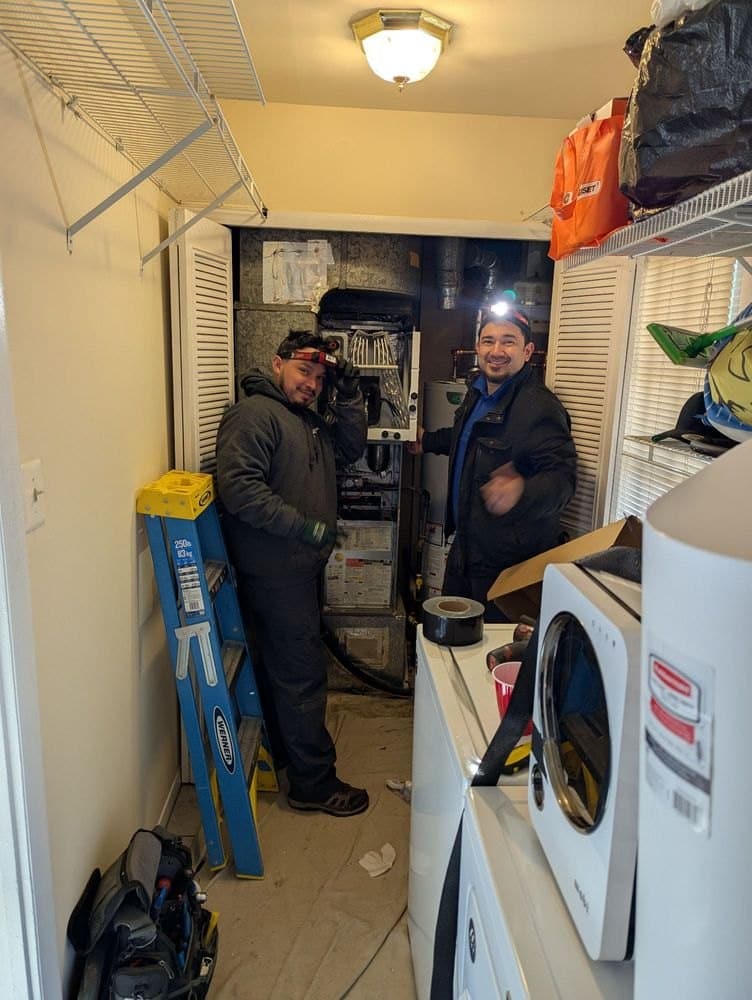
SwiftPro services heating systems in churches and assembly buildings across Northern Virginia, and we are used to working around a Sunday schedule. Call (703) 997-9757, or see the church HVAC page. What a boiler replacement costs in this region is here.