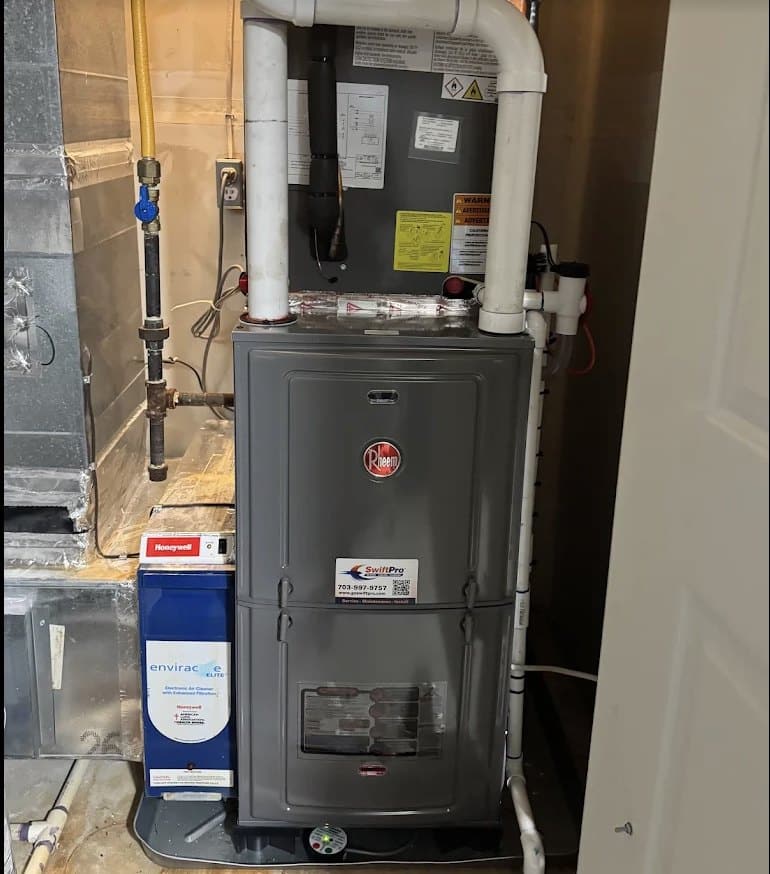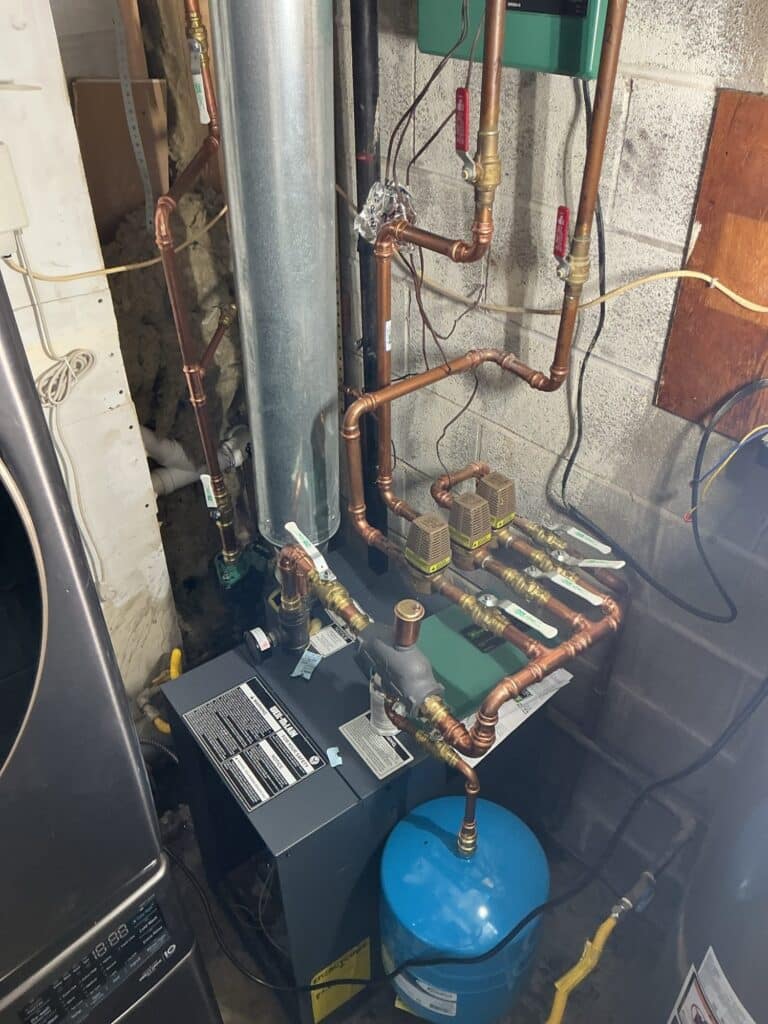


The rooftop unit is the piece of equipment in a commercial building that nobody sees, nobody thinks about, and everybody hears about the moment it stops. If you run a small business, manage a property, or sit on a board that owns a building, this is the fall checklist and the honest version of the repair-or-replace conversation.
Why fall, specifically
A rooftop unit heats and cools out of one cabinet, and the heating side sits idle for six months. Igniters get brittle, flame sensors oxidize, and gas valves seize while nothing is asking them to work. The first genuinely cold morning is when all of that gets discovered at once, across every building in the region, which is also the morning your contractor’s phone stops being answerable.
The US Fire Administration’s guidance is the simple version: have heating equipment inspected every year by a professional. In a commercial building, the reason is not only safety but downtime, because a closed office or a cold retail floor costs more per hour than the entire inspection.
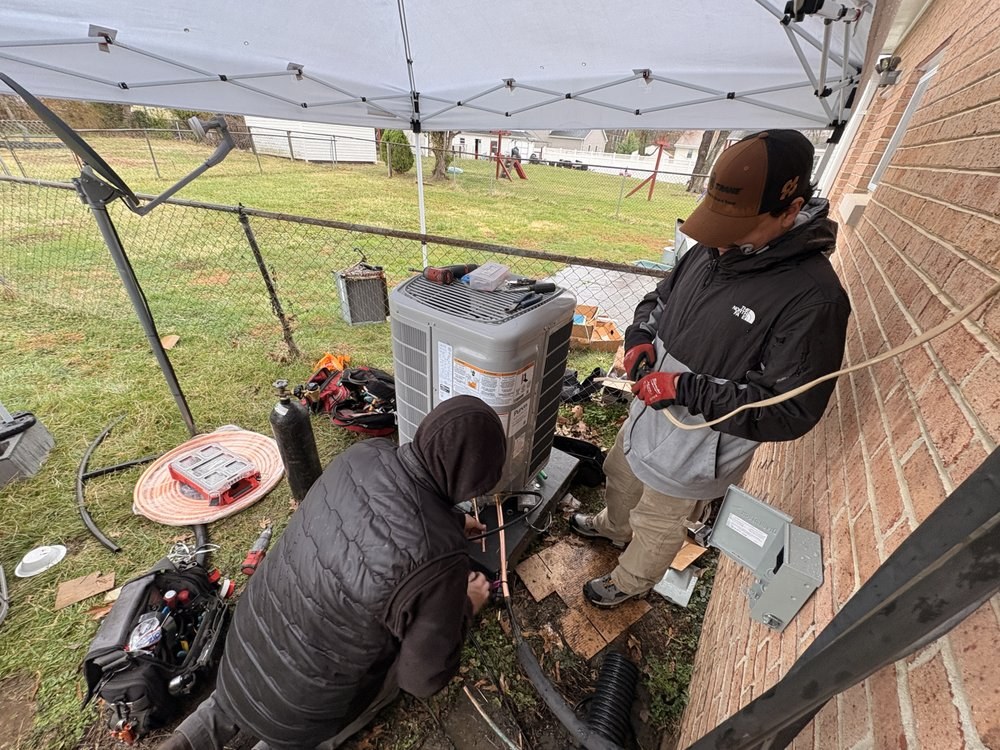
What a real fall inspection covers
The gas heat section. Igniter, flame sensor, burners, gas pressure, and a look at the heat exchanger. This is the part that idled all summer and the part that fails first.
Combustion and safety. Flue integrity, draft, rollout and limit switches, and combustion readings. On an assembly or occupied space this is not a formality.
Belts and the blower. Most commercial blowers are belt driven. Belts stretch, glaze and snap, and a snapped belt is a cheap part that shuts down a floor. Tension, alignment, bearings, and the wheel itself, which collects dust the same way a residential one does.
The economizer. The outside air damper and its actuator. This is the single most commonly failed item on a commercial rooftop and the most expensive to ignore. Stuck open in January, the unit is trying to heat outdoor air and your gas bill triples with no obvious cause. Stuck closed, the building gets no fresh air, and occupants complain of stuffiness that nobody can explain.
Filters. Correct size, correct orientation, and a realistic schedule. Commercial filters get neglected more than residential ones because nobody is standing next to them.
Electrical. Contactors, capacitors, amp draws against nameplate, and tightening connections, which loosen through thermal cycling and are a genuine failure and fire risk on commercial voltage.
The condensate and the curb. Drains clear, pan not rusted through, and the roof curb properly sealed. A leaking curb causes a roof problem that gets blamed on the roofer.
The condenser coil. Cleaned, and looked at honestly. On a roof shared with kitchen exhaust, or near a busy road, coils foul far faster than people expect, and a fouled coil quietly costs capacity all summer.
The five things to check yourself between visits
None of these need a technician, and any of them will catch a problem early.
- Walk the roof once a month and look for anything obviously wrong: a panel open, a belt shed, water pooling, or debris piled against a unit.
- Note the filter sizes and keep spares on site. The most common reason filters do not get changed is that nobody knows what size they are.
- Log complaints with dates and locations. “The east side is cold on Monday mornings” is a diagnosis. “It’s cold in here” is not.
- Watch the gas and electric bills month over month. An unexplained step change is usually a stuck economizer or a failing compressor, and it shows up on a bill before it shows up as a complaint.
- Make sure the disconnect and the roof access are actually accessible. Every hour a technician spends finding a key or a ladder is an hour you pay for.
Repair or replace
Commercial rooftop units are built to work and plenty run twenty years. The decision usually comes down to three things.
What failed. Belts, igniters, contactors, capacitors, actuators and boards are all normal service items at any age. A compressor or a heat exchanger on a unit past fifteen years is a different conversation.
What the rest of the cabinet looks like. A twenty year old unit with a failed compressor usually also has a tired blower, a corroded pan and a coil that has seen better decades. Putting a major part into it buys less time than the invoice suggests.
Whether the unit still matches the building. This is the one people skip. Buildings change use. A space that was open-plan offices and is now a gym, a clinic or a restaurant has a completely different load and ventilation requirement, and replacing like for like carries forward a sizing decision that no longer fits.
One thing worth checking before paying for a major part: the warranty. Commercial equipment often carries parts coverage that depends on registration within a short window after installation, commonly 60 to 90 days depending on manufacturer, and unregistered units typically drop to a shorter term. Labor is almost never included. If the building changed hands, the paperwork may still exist and it is worth the phone call.
A note on refrigerant, since it comes up
If your units run R-410A, which most equipment installed between roughly 2010 and 2024 does, you may have heard it is being banned. It is not. Federal rules restrict what goes into new equipment; the EPA is explicit that there is no requirement to stop using equipment you already own and that you may continue repairing it, including replacing a compressor or condensing unit.
What has changed is the price of the refrigerant itself, which has risen substantially as supply steps down. The practical consequence for a facility budget: a unit that needs significant refrigerant repeatedly is more expensive to keep than it was three years ago, and that shifts the replacement math a little earlier than it used to sit.

Planning replacement properly
A rooftop replacement is a project, not a service call. It involves a crane or a lift, a roof curb that may need an adapter, electrical and gas reconnection, a roofing detail at the curb, and a day when that zone has no conditioning. It gets scheduled around your operations, and it goes far better in the shoulder seasons than in the middle of a summer or a cold snap.
If you have several units of similar age, ask for a written condition assessment with a remaining-life estimate on each, so you can stage replacements across budget years rather than reacting to whichever one fails first. That is a genuinely different conversation from a quote, and it is the one worth having in October.
SwiftPro services and replaces light commercial rooftop units across Northern Virginia, and schedules around business hours. Call (703) 997-9757, or see the commercial HVAC and refrigeration page. Restaurants have their own set of problems, and those are here.