Is tap water in Northern Virginia safe?
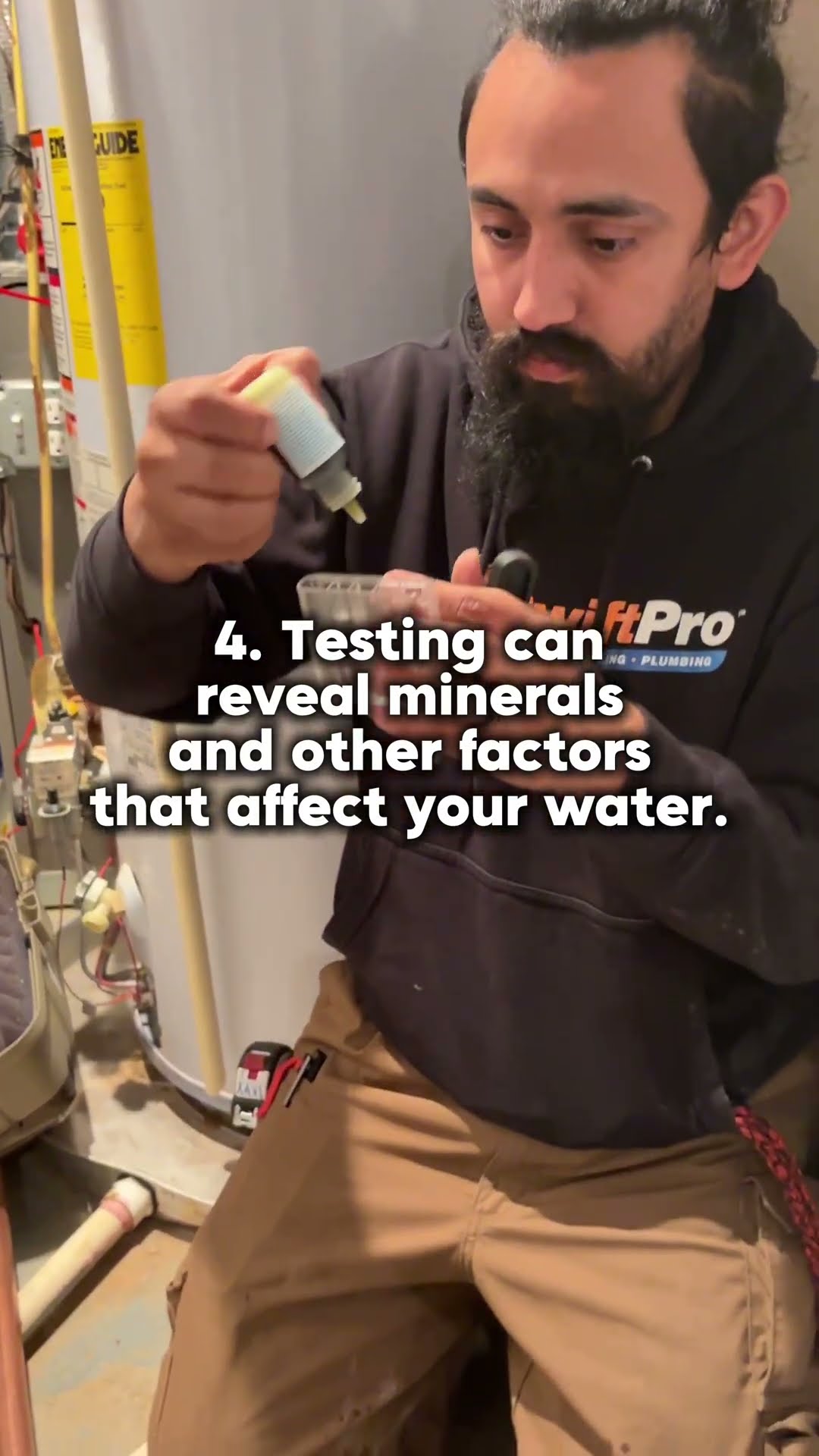
Every utility here meets the federal legal limits in this data. EWG’s health guidelines are far stricter, and every utility is over them on 9 or more contaminants, most of them byproducts of disinfecting the water. Legal and safe are different words, which is why the report shows both numbers. What comes out of your faucet also depends on your own pipes, so the in-home water test is how to know yours.
My water meets federal limits. Why does the report flag anything?
Because the two numbers measure different things. A federal legal limit is set with the cost of treatment in mind. EWG’s health guideline is set on health research alone, so it is much lower. A contaminant can be legal and still sit hundreds of times over EWG’s guideline, and the report shows you both.
Do I need a water softener or a water filter?
It depends on what you are fixing. Scale on faucets, spots on glasses and a water heater full of sediment point to hardness, which a water softener fixes. A chlorine taste or smell points to carbon filtration. The dissolved contaminants on the report, like chromium-6 and nitrate, take Reverse Osmosis (RO). Plenty of homes here want two of the three. Our water softener versus whole-house water filter guide goes deeper.
Where does a Reverse Osmosis (RO) system go?
Under the kitchen sink or a bathroom sink, with its own small faucet beside the main one. It treats the water you drink and cook with, which is a small share of what a house uses, so it does not need to treat the whole supply.
Does hard water hurt my water heater?
Slowly, yes. Hard water leaves scale in the bottom of a tank and inside a tankless heat exchanger, and the heater works harder to get through it. A yearly water heater flush clears it out, and a whole-home water softener stops most of it before it starts. If your heater is already struggling, our water heater repair and replacement page covers what to do.
I’m on a well. Does the ZIP lookup cover me?
No. The ZIP lookup covers public water utilities. A private well gets no routine testing from anyone unless the owner does it, so for a well the in-home water test is where to start.
Where does the ZIP report come from?
The Environmental Working Group’s Tap Water Database, which gathers the annual water quality reports utilities publish. Our copy was updated June 2026. We are not affiliated with EWG, and your utility’s own annual report is the original source.