$67Heating check, per system. We check your furnace or heat pump before winter. Through December 31.$67 heating check before winterBook Online
(703) 997-9757CallBook Online
MenuClose
Heating
Air Conditioning
Plumber
Drains & Sewers
Water Heater
Duct & Dryer Vent Cleaning
Price Estimators
Offers
About Us
Service Areas
Commercial

Open 24/7 for emergencies

Blue burner flames inside a furnace on a real SwiftPro job.
SwiftPro heating, cooling and plumbing

The SwiftPro homeowner’s manual

Your heating & cooling
maintenance
schedule.

A little care. A more comfortable home.
Know what to check, when to call and why a small problem deserves attention.

Simple habitsA few small checks between professional visits.
No guessworkClean or repair when the condition calls for it.
Your neighborsA local SwiftPro team, here to help.
Real SwiftPro jobs · sound off

SwiftPro in action. Recorded furnace-burner, furnace-work and outdoor-coil footage from real SwiftPro jobs.

You do not need to be an HVAC expert

Know your system.
Feel better about
every decision.

Maybe your house takes longer to warm up. Maybe the bill feels high. Or maybe everything seems fine, and you just want to keep it that way.

This is your practical guide to furnace maintenance, heat-pump care and air-conditioning maintenance in Northern Virginia. Start with the season you are in. We will explain the “why,” the small things you can safely do and the work to leave to a qualified HVAC professional.

The calendar reminds you to check. The condition tells you what needs work.

A capacitor does not need replacing just because another year passed. A clean coil does not need another deep clean. We look, test and explain before recommending work.

Your annual HVAC maintenance schedule

Give each season a head start.

Spring cooling care. Fall heating care. Small checks in between. These are planning windows, not deadlines that make you “too late.” Your manufacturer’s instructions and your home’s conditions come first.

Jan Feb Mar Apr May Jun Jul Aug Sep Oct Nov Dec

March – May

Spring

Prepare for cooling season. It is easier to plan before the first string of hot days.

  • Schedule AC or heat-pump maintenance.
  • Have coil condition and condensate drainage checked.
  • Check the filter and clear loose leaves around the outdoor unit without opening it.
Explore cooling maintenance →

June – August

Summer

Pay attention to comfort. Long hot days ask more of your cooling system.

  • Keep checking the filter monthly.
  • Keep supply and return vents clear.
  • Report new water leaks, ice or a house that will not cool.
Know the warning signs →

September – October

Fall

Prepare for heating season. Give yourself time to deal with a problem before a cold spell.

  • Schedule furnace or heat-pump maintenance.
  • Check thermostat mode and schedule.
  • Test smoke and CO alarms according to their instructions.
Explore heating maintenance →

November – February

Winter

Watch for changes. A new noise or cold room is worth mentioning early.

  • Look at the filter each month.
  • Keep vents and the outdoor heat pump unobstructed.
  • Ask about repeated shutdowns or ongoing cold air.
Heat not warm? Start here →
Have a heat pump? It works in both seasons. Plan professional care before heating and cooling season, following your system’s instructions. Gas furnaces need heating checks; a separate AC needs cooling checks.
Furnace → fallAC → springHeat pump → spring + fallFilters → look monthly

Your year 1 · 2 · 5 · 8 · 10+ plan

Care for this year.
Plan for the years ahead.

Keep seasonal care on the calendar. Let condition decide the extra work. These check-ins give you time to understand your system without replacing useful parts for a birthday.

Every year

Get ready before the busy season.

Heating in fall. Cooling in spring. Have blower, coil and electrical condition assessed for your equipment. Clean dirty parts and address findings when needed.

Year 2

Learn your home’s pattern.

Compare filter loading, returning dirt and room comfort with past visits. If buildup is returning quickly, look for the reason before repeating a deep clean.

Around year 5

Review wear and comfort.

Look at repair history, airflow and how the system starts and runs. A weak part may need attention before it stops working; a healthy part can stay.

Around year 8

Make a budget before a surprise.

Keep seasonal care going. Review recurring repairs, actual warranty coverage and parts availability. Talk about which larger repairs would make sense for your system.

Year 10+

Compare your options calmly.

Use condition, repair costs, comfort and energy use together. Keep caring for a useful system, and explore replacement costs when that conversation helps.

The 2-, 5- and 8-year points are SwiftPro planning suggestions, not manufacturer-required service intervals. Cleaning or repairs may be needed sooner or later. Seasonal care continues between milestones and follows your equipment’s instructions.

Can maintenance help it last?

An average lifespan is
not an expiration date.

Less dirt and fewer unresolved faults can mean less avoidable strain. Routine care helps a system work as intended and can support a longer useful life. Some equipment can remain useful beyond a typical range when its condition and safety support that choice. Care cannot stop every failure or promise a fixed number of extra years.

Broad manufacturer planning context

15–20 years

Carrier describes this as a typical maintained gas-furnace or central-AC lifespan. Installation, climate, use and condition matter. It is not a heat-pump life promise or a SwiftPro guarantee.

Furnace guidance · Central AC guidance

ENERGY STAR suggests considering options for AC/heat pumps over 10 years and furnaces/boilers over 15, alongside condition and comfort. Those are review prompts, not expiration dates. Read the replacement guidance.

A few good habits, not a second job

What can I do myself?

Stay with ordinary homeowner controls and safe, accessible areas. Leave equipment covers, wiring, gas parts, refrigerant and internal cleaning to a professional.

Notice it as you live.

Is the house comfortable? Did a new noise start? Is there water where it should not be? You do not need a daily inspection checklist. A change from normal is the useful clue.

Everyday awareness

Look at the filter.

Check it about once a month. Replace a disposable filter when dirty, using the right size and type for your system. Follow the manufacturer for washable filters and thicker media filters.

Monthly look · replace as needed

Give air a clear path.

Move rugs, furniture and curtains away from supply and return grilles. Keep loose leaves away from the outdoor unit. Follow its clearance instructions; do not bend fins or remove panels.

As needed · after yard work

The easiest place to start

A dirty filter is like
breathing through
a thick scarf.

Your system needs air to move through it. A loaded filter makes that harder. Rooms may take longer to get comfortable, and the system can run longer or struggle with its temperature limits.

“Every 90 days” is not right for every house. Pets, dust, renovation work and heavy use can load a filter sooner. A thicker filter may last longer. Look monthly, then follow the filter and equipment instructions.

Right sizeIt should fit the intended slot without gaps.
Right typeA more restrictive filter is not automatically better for your system.
Right timingReplace when dirty; use your manual as the starting point.

Only use the homeowner filter access identified by your equipment manual, and follow its shutdown instructions. If you are unsure, ask us to show you during a visit.

A SwiftPro technician shows a furnace filter slot during professional work. This is a demonstration, not an instruction to open your equipment.

What is happening when the heat comes on?

Your furnace, explained
like a relay team.

Each part hands the job to the next. When one struggles, the whole house can feel it. This is a simplified gas-furnace heating cycle; heat pumps move heat instead of lighting burners.

The thermostat asks.

The room is cooler than your setting, so the thermostat asks the system for heat.

The furnace gets ready.

Safety checks happen in the correct order before the burners can light.

Heat warms the air.

The burner heats a metal heat exchanger. Your home’s air passes around it, separate from the flame and combustion gases.

The blower delivers.

The indoor fan moves warm air to the rooms. The system stops heating when the thermostat is satisfied.

Maintenance checks how the team is working together.

We match the visit to your equipment: ignition and burners where fitted, blower and motor, accessible damper settings, thermostat operation and filter condition. A heat pump has different parts and checks.

Recommended care · Based on what we find

Clean what is dirty.
Repair what is failing.

A yearly schedule is a reminder to inspect, not a shopping list of parts to replace. Here is when common HVAC work makes sense—and what you should ask to see.

Blower wheel · Airflow

The fan needs room to push.

The blower wheel is the round fan inside your system. Dust builds up on its little blades and changes how they move air. Less useful airflow can mean uneven rooms, longer runs or extra strain.

A thick coating is a reason to inspect and measure. There is no honest one-size-fits-all percentage for what “one inch of dust” does to every blower.

When: Inspect during seasonal care. Deep clean when buildup warrants it, using the correct method for the assembly—not automatically every year.

Ask to see: The buildup, how it affects the system and what the cleaning includes.

See the blower deep-clean service →
Indoor + outdoor coils · Heat transfer

Coils need to trade heat freely.

Think of a coil like a radiator with lots of thin metal fins. In cooling mode, the indoor coil picks up heat and the outdoor coil lets it go. A heat pump changes direction when heating.

Dirt acts like a coat over the fins and can block airflow. That makes the heat handoff harder. Cleaning helps when dirt is the cause; it does not repair a refrigerant leak or a damaged part.

When: Check condition during seasonal service. Clean as needed. Outdoor debris and indoor filter condition affect how quickly buildup returns.

Ask to see: Which coil is dirty, access needed and the cleaning method.

See cooling maintenance →
Drain pan + drain line · Water

Cooling makes water. It needs a way out.

Like a cold glass on a summer day, a cooling coil collects moisture. A pan and drain carry it away. A blockage can let water back up or trigger a safety switch.

Musty smells or water near indoor equipment deserve a closer look. Odor alone cannot tell you what is growing or whether something is harmful.

When: Check before cooling season and during service. Address water promptly; clean the drainage path when needed.

Ask to see: Where the water starts, the blockage or fault and the result after work.

Electrical helpers · Starting + switching

Small parts can stop a big system.

On equipment that uses one, a capacitor helps a motor start or run. A contactor is an electrical switch that turns equipment on. A weak or damaged part can cause hard starts, buzzing or a fan that will not run.

The sound alone does not prove which part is bad. These parts need professional testing. Capacitors can hold an electrical charge even after power is off.

When: Test when symptoms or inspection findings call for it. Replace a part that fails the appropriate test or has damage—not on a fixed yearly calendar.

Ask to see: The test result, the required specification and your full installed price.

Refrigerant · A closed loop

It is not something to top up yearly.

Refrigerant carries heat around a closed circuit. It is not like fuel that gets used up each season. Poor cooling has several possible causes; adding refrigerant without finding why it is low can leave a leak behind.

When: A qualified technician checks performance and investigates a suspected leak when the findings point there. Follow the repair plan for your equipment.

Ask to see: The diagnosis, the leak or test findings and the proposed repair—not just a recurring refill.

Ducts · Air delivery

Duct cleaning is not a yearly rule.

Ducts carry air to your rooms. A cold room can come from a blocked grille, a duct problem, insulation or another cause. Cleaning ducts alone does not solve every airflow issue.

When: Investigate when findings justify it. The EPA recommends duct cleaning as needed, rather than as a routine annual service.

Ask to see: The evidence, the affected area and the underlying cause. Cleaning is not a guaranteed allergy or health treatment.

Explore duct-cleaning details →
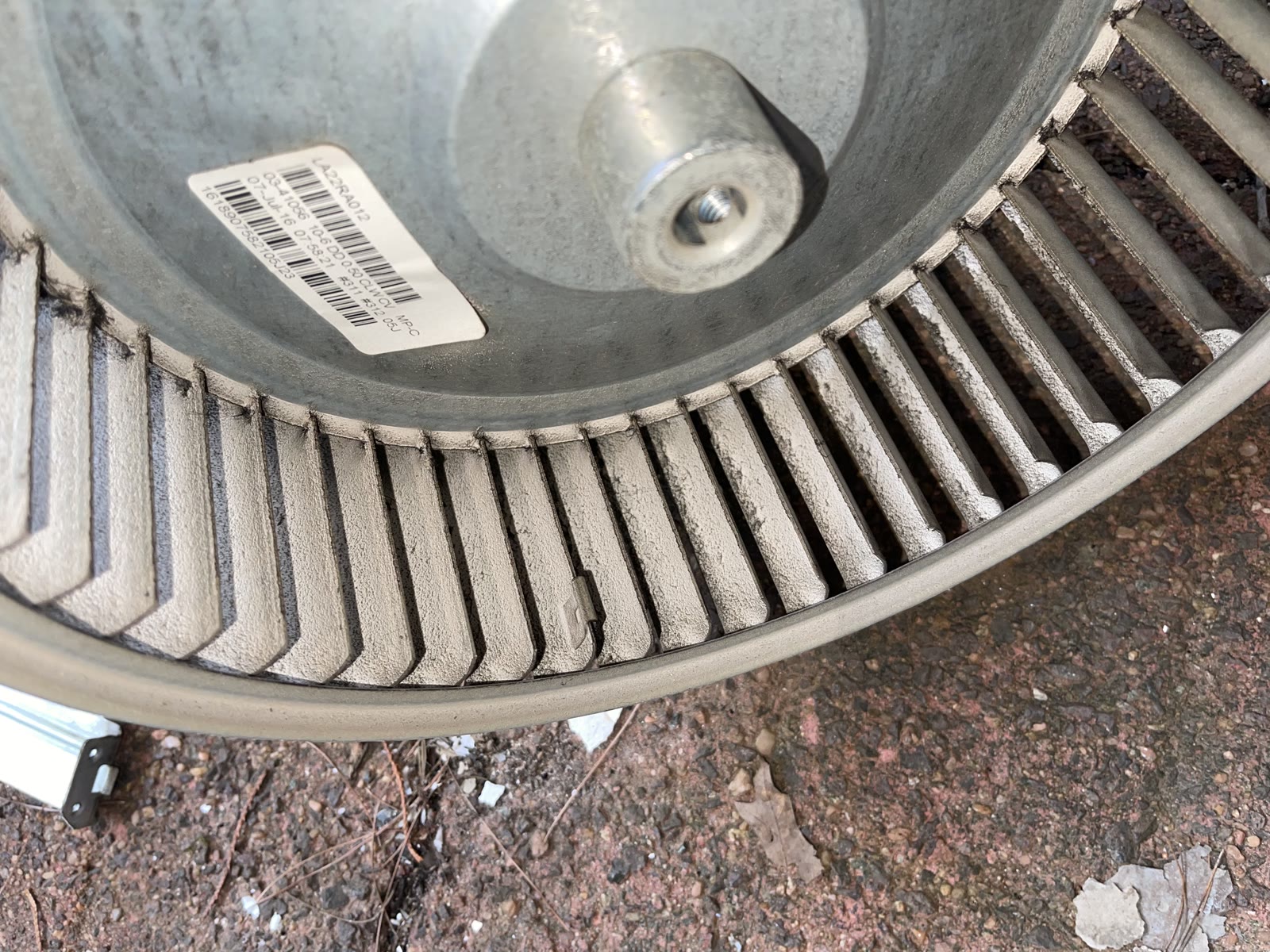
Dust coating the blades of a removed furnace blower wheel.
Dust on a removed blower wheel. Buildup should guide the cleaning recommendation.
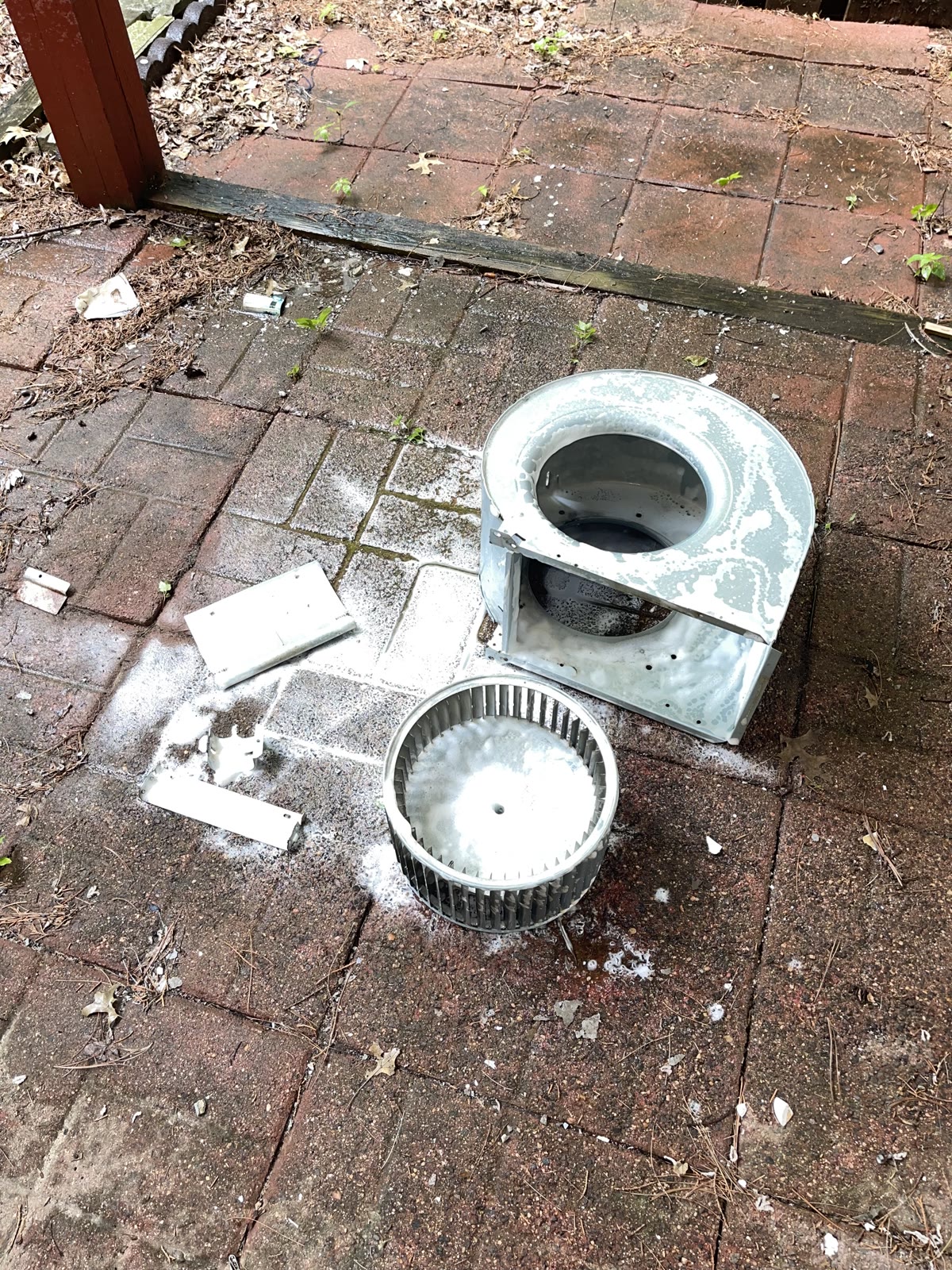
A blower wheel and its housing removed and separated for cleaning.
A blower wheel and housing during professional cleaning. Disassembly and access are part of the work.
A SwiftPro technician applies cleaner to an outdoor condenser coil. The cleaning method must suit the equipment.

Why cleaning can change how home feels

Help the heat
get where it belongs.

In summer, the goal is to move heat out of your house. In winter, a heat pump brings heat in. If air cannot reach a coil freely, that work gets harder.

In cooling season, the indoor coil is also a wet surface. Dust and moisture can contribute to odors and buildup. Air passing through the system can carry particles, but a dirty coil is not proof of a specific illness or mold problem.

The helpful next step: inspect the filter, airflow, coil and drainage together. Cleaning one part without finding the cause can leave the original problem behind.

The cost is not always just a broken part

What does a struggling
system take from you?

A system can still turn on while doing a poorer job. The clues show up in your rooms, your routines and sometimes your energy use.

Comfort

A cold bedroom, a warm upstairs or weak airflow can make the house harder to enjoy. Filters, duct conditions, controls, sizing and equipment faults are different possible causes.

Efficiency

Restricted airflow and dirty heat-transfer surfaces can make equipment work harder. Weather, insulation, thermostat settings and energy rates also affect your bill.

Your time

A planned visit gives you time to ask questions and compare options. Finding a developing problem before peak weather may make scheduling easier, although maintenance cannot prevent every breakdown.

A higher bill is a clue, not a diagnosis. Compare similar weather and usage first. Bring the change to your visit; we will look for the cause rather than promise that one cleaning will fix everything.

How do I know?

You do not need to
know the part’s name.

Tell us what changed, when it happens and which rooms you notice it in. A short description helps us arrange the right visit.

Call for a problem visit.

  • The heat or cooling stopped. Maintenance is for a working system. A new fault needs a diagnostic.
  • It starts and stops over and over. Tell us how often and whether it reaches the thermostat setting.
  • New banging, buzzing or grinding. Stop using equipment if it sounds unsafe or damaged, and call.
  • Water, ice or a burning electrical smell. Do not keep forcing it to run. Have it checked.

Plan a visit soon.

  • It works, but a room feels different. Check for a covered vent and tell us what remains.
  • You cannot remember the last service. Start with a maintenance visit for a working system.
  • A filter gets dirty unusually fast. Mention pets, construction or recent changes in the house.
  • A recommendation did not feel clear. Ask for photos, test results, options and a written price.

Gas smell or a carbon-monoxide alarm?

Leave immediately. Call 911 from outside or a safe location for a gas smell or CO alarm. For a suspected gas leak, then contact your gas utility’s emergency line. Do not use switches, flames or a phone inside. This is an emergency, not a routine maintenance booking.

A few easy things to check

Furnace not blowing
warm air?

Try these ordinary homeowner checks without opening equipment or touching wiring. Stop if you smell gas, hear a CO alarm or see a dangerous condition.

  1. Choose HEAT. Check the thermostat mode and set it above the current room temperature.
  2. Choose AUTO for the fan. ON may keep air moving between heating cycles, when that air is not being heated.
  3. Look for a battery message. If your thermostat uses batteries, follow its instructions.
  4. Check the accessible filter. Follow the equipment manual. Replace a dirty disposable filter with the right one.
  5. Free the vents. Move rugs and furniture away from supply and return grilles.

Still cold? That is where we come in. A qualified technician can check the cause safely. Heat-pump air may feel less hot than furnace air, and a brief defrost cycle can be normal; ongoing loss of heat needs attention.

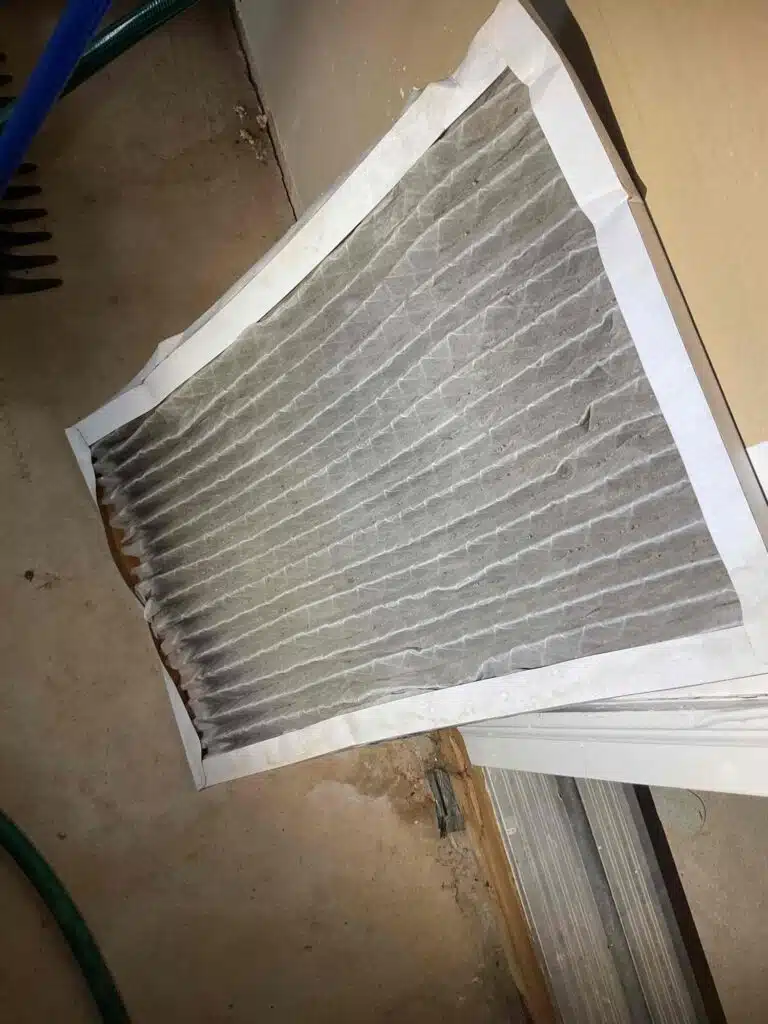
A heavily dust-loaded return-air filter removed from a home's HVAC system.
A dust-loaded return-air filter. Check yours using only the safe homeowner access described in its manual.

Care now · Or wait for a problem?

A small finding is
a chance to choose.

Putting off a recommendation can be a budget decision. Ask what the finding means, what can wait and what may happen if it remains. These are possible effects, not a prediction of a breakdown.

What was foundCare when findings justify itIf it is left unresolved

A dirty coil

Care now

Check its condition. Clean when dirt is getting in the way.

Put it off

Heat may move less easily, so the system can run longer and rooms may feel less comfortable.

Buildup on the blower

Care now

Show the buildup and airflow findings. Deep clean when warranted.

Put it off

Restricted or less effective airflow may remain, along with uneven comfort or avoidable strain.

A weak or damaged electrical part

Care now

Have the relevant part professionally tested. Address a weak part or damage when the test supports it.

Put it off

Starting or running trouble may worsen or become a shutdown. The symptom still needs a diagnosis.

A loaded filter

Care now

Replace the correct disposable filter when dirty, following the manual.

Put it off

Airflow can stay restricted. Changing a filter does not repair every other fault.

A blocked drain

Care now

Have drainage checked and a confirmed blockage addressed.

Put it off

Water can back up, damage nearby areas or trigger a safety shutdown.

If a larger fault is actually diagnosed

Know the cost before deciding.

Here are current examples of different repair jobs. They are not inevitable costs of waiting, and routine care cannot guarantee that you will avoid them. You do not need to choose parts from this list. Tell us what is happening; we will help you choose the right visit.

OEM blower-motor replacement

Standard planning price$1,406

Comfort+ estimate$1,195

Matched OEM indoor blower-motor service example; actual motor, access, warranty coverage and complete quote can change cost.

Variable-speed OEM blower-motor replacement

Standard planning price$2,602

Comfort+ estimate$2,211

Specific variable-speed OEM blower-motor service example, not a price for every motor.

Outdoor fan-motor replacement

Standard planning price$822

Comfort+ estimate$699

Condenser fan-motor replacement service example for a diagnosed failure; match equipment and confirm scope.

Compressor replacement — 1.5–3 ton

Standard planning price$3,446

Comfort+ estimate$2,929

Standard 1.5–3 ton compressor service example, not a whole-system replacement. Variable-speed, other sizes, refrigerant, additional work and warranty treatment require a written quote.

Repair figures are rounded-up planning examples. Comfort+ figures estimate 15% off the exact eligible retail rate, then round up. Actual equipment, scope, warranty, membership eligibility and the written quote govern. These examples are excluded from the ten-year illustration below.

A ten-year planning illustration · One system

Same example work.
Two ways to pay.

What could regular visits and some condition-based work add up to? This illustration compares paying for the same work individually with an annual Comfort+ membership. Both choices include the same selected work; the difference comes from how it is paid for.

Individual seasonal visits

$99 heating + $99 cooling

$198 per year for the two visits, using the individual-visit values currently published on our membership page.

Comfort+ paid annually

$199 per year

Both seasonal visits are included in the annual fee. That is $1 more per year before any eligible extra work or other plan benefits.

If no extra work is needed: ten years of these two seasonal visits would total $1,980 individually or $1,990 with annual membership at unchanged rates. A clean, healthy system does not need extra work just to fill a schedule.

Here is exactly what this example assumes.

20 seasonal visits across 10 years. Plus six selected tasks: coil cleaning in years 2 and 6; blower cleaning in years 4 and 8; a capacitor in year 5 only if testing finds it weak; and a contactor in year 8 only if faulty.

These years are an example, not a promise that a part will wear out then. Clean parts and healthy components do not need that work for the date alone. The extra tasks may share a seasonal visit when practical; a separate trip is not assumed.

Pay as you go

$4,515$1,980 visits + $2,535 selected extras

Comfort+ annual plan

$4,144$1,990 annual fees + $2,154 eligible extras

Illustrated difference

$371Same selected work, with eligible member discounts.
Pay as you goComfort+ estimate
Ten years, shown one year at a time
YearSelected work, if condition calls for itPay as you goComfort+ estimate
Year 1Spring cooling visit; Fall heating visit.$198Spring $99
Fall $99
$199$199 annual fee, once
Spring $0 extra
Fall $0 extra
Year 2Spring cooling: Coil cleaning, if dirty; Fall heating visit.$676Spring $577
Fall $99
$605$199 annual fee, once
Spring $406 extra
Fall $0 extra
Year 3Spring cooling visit; Fall heating visit.$198Spring $99
Fall $99
$199$199 annual fee, once
Spring $0 extra
Fall $0 extra
Year 4Spring cooling visit; Fall heating: Blower cleaning, if buildup warrants it.$676Spring $99
Fall $577
$605$199 annual fee, once
Spring $0 extra
Fall $406 extra
Year 5Spring cooling: Capacitor, only if testing finds it weak; Fall heating visit.$508Spring $409
Fall $99
$463$199 annual fee, once
Spring $264 extra
Fall $0 extra
Year 6Spring cooling: Coil cleaning, if dirty again; Fall heating visit.$676Spring $577
Fall $99
$605$199 annual fee, once
Spring $406 extra
Fall $0 extra
Year 7Spring cooling visit; Fall heating visit.$198Spring $99
Fall $99
$199$199 annual fee, once
Spring $0 extra
Fall $0 extra
Year 8Spring cooling: Contactor, only if a fault is found; Fall heating: Blower cleaning, if needed again.$989Spring $412
Fall $577
$871$199 annual fee, once
Spring $266 extra
Fall $406 extra
Year 9Spring cooling visit; Fall heating visit.$198Spring $99
Fall $99
$199$199 annual fee, once
Spring $0 extra
Fall $0 extra
Year 10Spring cooling visit; Fall heating visit.$198Spring $99
Fall $99
$199$199 annual fee, once
Spring $0 extra
Fall $0 extra
Illustrated 10-year total$4,515$4,144
A practical visit example: In this model, a $99 individual cooling visit plus a Level 1 coil cleaning rounded to $478 totals $577 for that work. With an active annual membership, the visit is included in the $199 annual fee and the eligible coil-cleaning estimate is $406 extra. The annual fee is still a cost; it is not a free visit or an additional discount on a special.

What is not included: filters, taxes where applicable, diagnostic charges, additional trips or call-outs, energy, unlisted repairs, replacement equipment and future price changes. Today’s prices are held constant; this is not a ten-year price lock. The $67 and $229 short-term specials are not repeated for future years. Monthly membership payments would total $240 a year and are not used in this annual-plan model.

How the math works: round each exact retail rate up to a whole dollar. For a member estimate, multiply the exact retail rate by 0.85 first, then round up. Add those displayed line estimates. The membership fee itself is not discounted, and promotions are not assumed to stack. Confirm the current membership terms.

Cost, scope and a clear next step

What am I paying for?

A useful price tells you what is included. Seasonal maintenance, a fault diagnostic and a deeper cleaning solve different needs. Here are the current published SwiftPro offers.

Deeper cleaning · When needed

Furnace deep clean

$229

Published offer through December 31, 2026, for one system, including blower removal and cleaning with a standard 1-inch filter. Confirm suitability and terms for your equipment.

  • More access and hands-on cleaning
  • For buildup that calls for this service
  • Scope explained before approval
Something is wrong

Find the fault first

$99

A diagnostic is the starting point when heating or cooling is not working properly. The repair price follows the findings.

  • Professional fault finding
  • Cause and options explained
  • Approval before repair work
Book a diagnostic

Ask how any diagnostic charge applies to your visit and membership.

Why is a deep clean more than a maintenance visit? Removing, cleaning and correctly reinstalling a blower assembly involves more time and access than checking its condition. A diagnostic involves tracing a fault. The job—not just the name of a small part—sets the scope.

These are current SwiftPro service pricebook examples, not a yearly repair package or a recommendation for your system. The equipment, fault, service level and access determine the correct scope. Confirm the written quote, including any diagnostic charge or tax that applies. Standard figures are rounded up from exact retail rates. Comfort+ estimates take 15% off the exact eligible retail rate, then round up separately. They are planning estimates, not separate member quotes. Promotions and membership discounts are not assumed to stack.

Pricebook examples when extra work is needed
ServiceExample scopeStandardComfort+ estimate
Furnace ignitor replacementThe part that lights the burners. Replacement is for a diagnosed fault, with the correct part confirmed for your furnace.$352$299
Flame-sensor replacementA matched replacement when the sensor is faulty. Dirt alone may call for cleaning instead; ask why a new part is needed.$478$407
Burner removal and cleaningRemove, clean and reinstall the burners when findings justify that work. This is deeper work than checking the burners during maintenance.$450$383
Outdoor coil cleaning — Level 1Professional condenser-coil cleaning for confirmed buildup. The required service level and access must be checked first; other levels cost differently.$478$406
Outdoor motor capacitor — exampleReplacement of a matched 35/5 dual capacitor after a fault is confirmed. Other capacitor types have different prices; this is not a yearly replacement.$310$264
Outdoor on/off switch — exampleReplacement of a single-pole 24V contactor: the switch for outdoor equipment. Match the part and diagnose the fault before choosing the repair.$313$266
Condensate-pump replacementReplace an existing 115V pump that carries cooling water away. A new installation with tubing is a different service and price.$372$317
Blower-wheel cleaning — Level 1Professional cleaning when buildup calls for it. Equipment access and service level must be confirmed; this regular pricebook example is separate from the current $229 furnace deep-clean offer.$478$406

Pricing checked 2026-10-23. Confirm the equipment, scope and full installed price before approval.

Before saying yes to a repair

Four things you deserve
to understand.

1. What did you find?

Ask for the photo, measurement or test result in plain language.

2. Why does it matter?

Is this a present fault, a safety issue, a developing concern or optional improvement?

3. What are my options?

Ask what can wait, what cannot and what each choice means for your home.

4. What is the full price?

Confirm labor, parts, access, testing and applicable warranty before approving work.

What can I save?

Less wasted energy.
Fewer avoidable surprises.

Maintenance can address dirty filters, blocked airflow and neglected heat-transfer surfaces. The benefit depends on what is wrong now. A clean, healthy system may have little energy improvement from another cleaning.

5–15%AC energy-use context—not a whole-home savings promise

The U.S. Department of Energy says regular filter cleaning or replacement can lower an air conditioner’s energy consumption by 5% to 15%.

Simple illustration: If cooling alone used $100 of electricity in a comparable month, 5% to 15% would be $5 to $15. That is math to explain the range—not a forecast for your house, your furnace or your total utility bill.

Rates, weather, thermostat settings, equipment condition and the actual problem all matter. Read the DOE filter guidance.

Spend where it helps.

A measured fault or visible buildup gives a recommendation a reason. Replacing a healthy part on a birthday does not.

Keep a simple record.

Save service dates, photos, findings and invoices. They help you track changes and check warranty requirements.

Choose a manageable plan.

Ask which work is needed now and which can be scheduled. A clear priority list helps you decide without pressure.

Want less to remember?

Make seasonal care
part of the plan.

Comfort+ is an option for other homeowners who want ongoing seasonal care. It is separate from the current one-visit $67 heating maintenance special.

Compare the actual included visits and benefits with what you expect to use. Ask about your number of systems, equipment eligibility and membership terms.

Read the complete Comfort+ details →

A recommendation should make sense to you

“I was told I need
a new system.”

That is a big decision, especially if the explanation felt rushed or the price did not feel comfortable. You are allowed to pause, ask questions and understand your options.

Have another company’s repair or replacement quote? SwiftPro offers a free second opinion with no obligation to buy. We will do our best to give you a fair, honest assessment. We may agree with the original advice or see another path.

Common repairs can often be completed during a visit when the fault is identified and the right part is available. If something needs ordering, we explain the next step and price before you decide.

A free second opinion reviews an existing outside quote. A new, undiagnosed fault starts with a diagnostic. Age alone does not tell us whether your system should be replaced.

The SwiftPro team beside service vans at the Chantilly shop.
The SwiftPro team at our Chantilly shop. Local people helping other homeowners make a clear next decision.

The questions other homeowners ask

Let’s make the
next step easier.

You can ask a simple question without knowing the technical word. We are here to explain what is happening and help you choose.

My system works fine. Why pay for maintenance?

A working system can still have a dirty filter, buildup or a developing problem you cannot hear yet. Seasonal care checks its condition and gives you a record. It does not guarantee that a part will never fail, and it should not become a list of unnecessary replacements.

How often should my furnace, AC or heat pump be serviced?

Plan furnace maintenance before heating season and AC maintenance before cooling season. A heat pump works through both seasons, so plan care before each. Follow your equipment manufacturer, warranty terms and any more frequent needs your technician can explain.

Did I miss the right season?

You can still book. Spring and fall are useful planning windows, not a reason to skip care if the weather has already changed. Tell us if the system is working normally or if something is wrong so we arrange the right visit.

Should I replace my filter every month?

Look about once a month. Replace a disposable filter when dirty, following the filter and equipment instructions. Pets, dust and heavy use can shorten the interval; thicker media filters may have a different interval. Use the correct size and type.

Does every maintenance visit include a deep cleaning?

No. Checking condition and deeply cleaning a component are different scopes. We explain any buildup we find and the price of recommended deeper work. The current $229 furnace deep-clean offer includes blower removal and cleaning plus a standard 1-inch filter for one system through December 31, 2026, subject to its terms.

Do capacitors or contactors need replacing every year?

No. These are condition-based repairs, not annual consumables. A professional should explain the fault or test result, the correct replacement and the full installed price. Do not test or touch electrical parts yourself.

Do I need duct cleaning every year?

No. Duct cleaning is based on findings, not an annual calendar. EPA recommends it as needed. Ask what evidence supports the work, what caused the problem and whether that cause will be addressed.

Does refrigerant need an annual top-up?

No. Refrigerant circulates in a closed system rather than being used up like fuel. A low charge calls for qualified diagnosis, including checking for a leak, rather than an automatic yearly top-up.

Can cleaning fix every comfort problem?

No. A dirty filter or coil can contribute to poor performance, but duct leaks, controls, sizing, insulation, refrigerant faults and other problems can also affect comfort. The useful service is the one that addresses the actual cause.

Will maintenance lower my bill?

It may reduce energy wasted by a dirty or poorly operating system, but there is no guaranteed dollar amount. A clean, healthy system may have little energy change. Weather, rates, insulation and thermostat habits affect bills too. The DOE dirty-AC-filter range on this page is not a furnace or whole-home savings promise.

What if a repair costs more than I expected?

Ask what is wrong, why it matters, which options you have and the complete price before approval. Tell us about your budget and timing. If you already have another company’s quote, our free, no-obligation second opinion can help you understand it.

Can you fix something during the maintenance visit?

Common repairs can often be completed when the fault and the required part are clear and the part is available. We explain the work and price first. Some faults need additional diagnosis, ordered parts or a return visit.

Will maintenance keep my manufacturer warranty valid?

Warranty terms vary by manufacturer and equipment. Read your own warranty, follow its required care and keep service records. We cannot promise a warranty outcome without reviewing the terms. Ask which documentation you should save.

Should I turn the thermostat way up to heat faster?

On many systems, a higher setting changes how long heat runs rather than making the air heat faster. Staged systems and heat pumps have their own controls. Use your thermostat instructions and ask us about a comfortable schedule for your equipment.

Do I have to join Comfort+?

No. You can book an individual visit. Comfort+ is an ongoing-care option with fall heating and spring cooling maintenance and the benefits on its membership page. Compare what you will use and confirm eligibility and terms before deciding.

What is the difference between $67 maintenance and a $99 diagnostic?

The current $67 heating maintenance special is for a working furnace or heat pump, through December 31, 2026. A $99 diagnostic starts the process when something is not working correctly. Describe the symptom when booking so we choose the right visit.

Will I be pressured to replace older equipment?

You deserve findings, options and a clear explanation. Age can be part of a repair-versus-replacement conversation, but it is not a complete diagnosis. If you have an existing outside quote, ask about our free second opinion. Use the estimator if you want to explore replacement costs.

Can I clean the coil or blower myself?

Leave internal coil and blower cleaning to a qualified professional. Panels, wiring, sharp fins, delicate parts and the correct cleaning method make this different from replacing an accessible homeowner filter. Do not open equipment, handle refrigerant or touch gas or electrical components.

What should I tell SwiftPro when I book?

Tell us whether you have a furnace, heat pump or AC if you know; what changed; when it started; and whether the system still heats or cools. You do not need a technical diagnosis. Mention any quote you want reviewed or a room that feels different.

How to use this manual

Helpful guidance, matched to your home.

This is general homeowner guidance, not a substitute for your equipment’s instructions or an on-site assessment. The service schedule depends on equipment, use and conditions. Published offers were checked October 23, 2026; confirm scope and terms when booking.

The system we put in first

Built to take a beating. Put in by our crew.

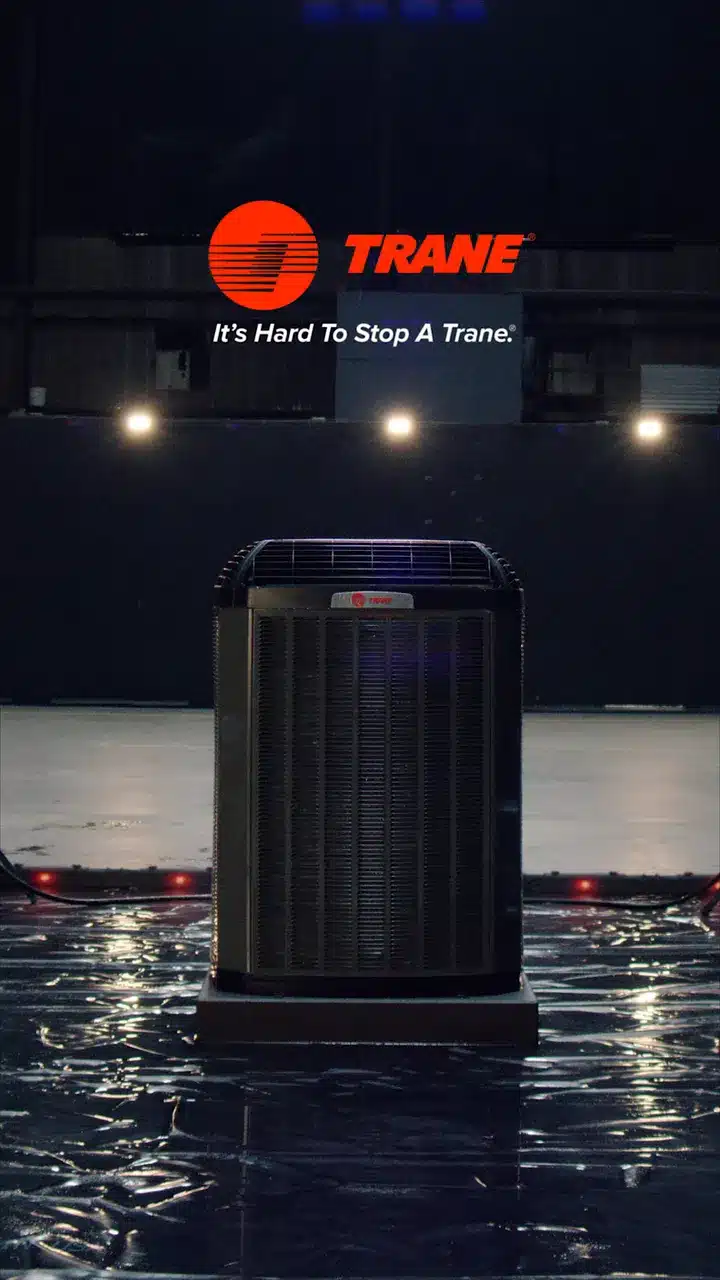
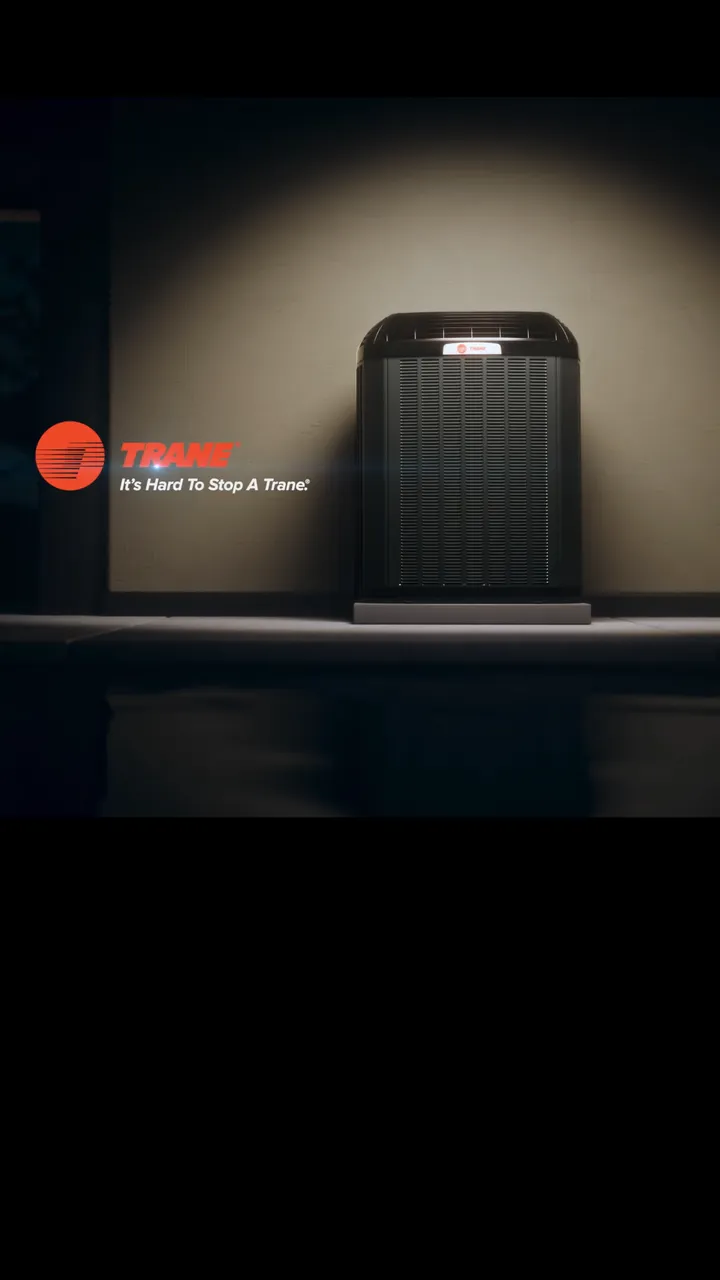
Heat lamps, snow and rain on one outdoor unit: that’s Trane’s own film. We’re a Trane Comfort Specialist, on Trane’s own dealer locator, and when you pick a Trane, our crew puts it in.

Films: Trane’s own.

Trane's film: a Trane outdoor unit on a dark lab stage under the Trane logo and "It's Hard To Stop A Trane."
Trane's film: a Trane outdoor unit under a spotlight against a bare wall.

Your good neighbors in home comfort

Tell us what home feels like.
We will help with the next step.

Book seasonal maintenance, ask about a change you noticed or bring us a quote you do not feel comfortable with. You do not need to figure it all out first.

Family-owned in Chantilly · Serving Northern Virginia
Licensed and insured Virginia Class A company · License 2705192276

Call Now Book Online
5.01,132 reviews