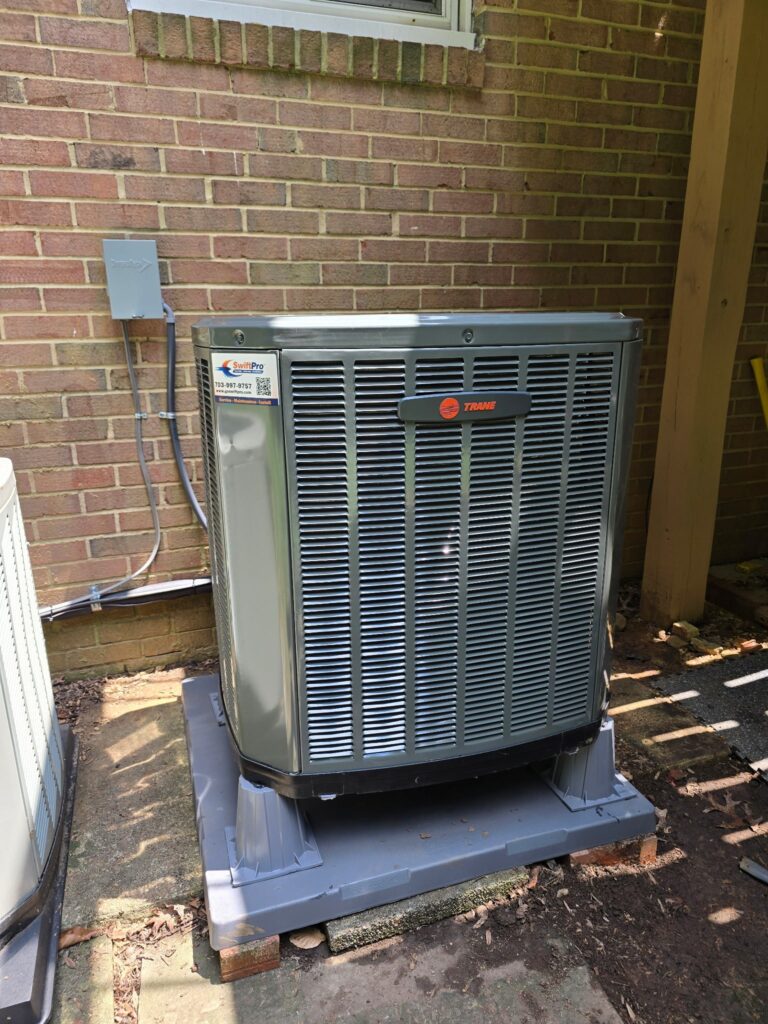

Average first frost lands around October 20 in Ashburn and Manassas, a few days later in Reston, Arlington and McLean, and closer to the first week of November down in Woodbridge. That’s the deadline. Not the first snow, not Thanksgiving. The list below is what actually matters between now and then, in the order a cold snap will punish you for skipping it.
Most of it’s free and takes an afternoon. Two items on the list are the difference between a normal winter and a five-figure insurance claim, and they’re numbers 3 and 4.
1. Change the filter, and know which kind you have
This is first because it’s the one people get wrong in a way that breaks equipment.
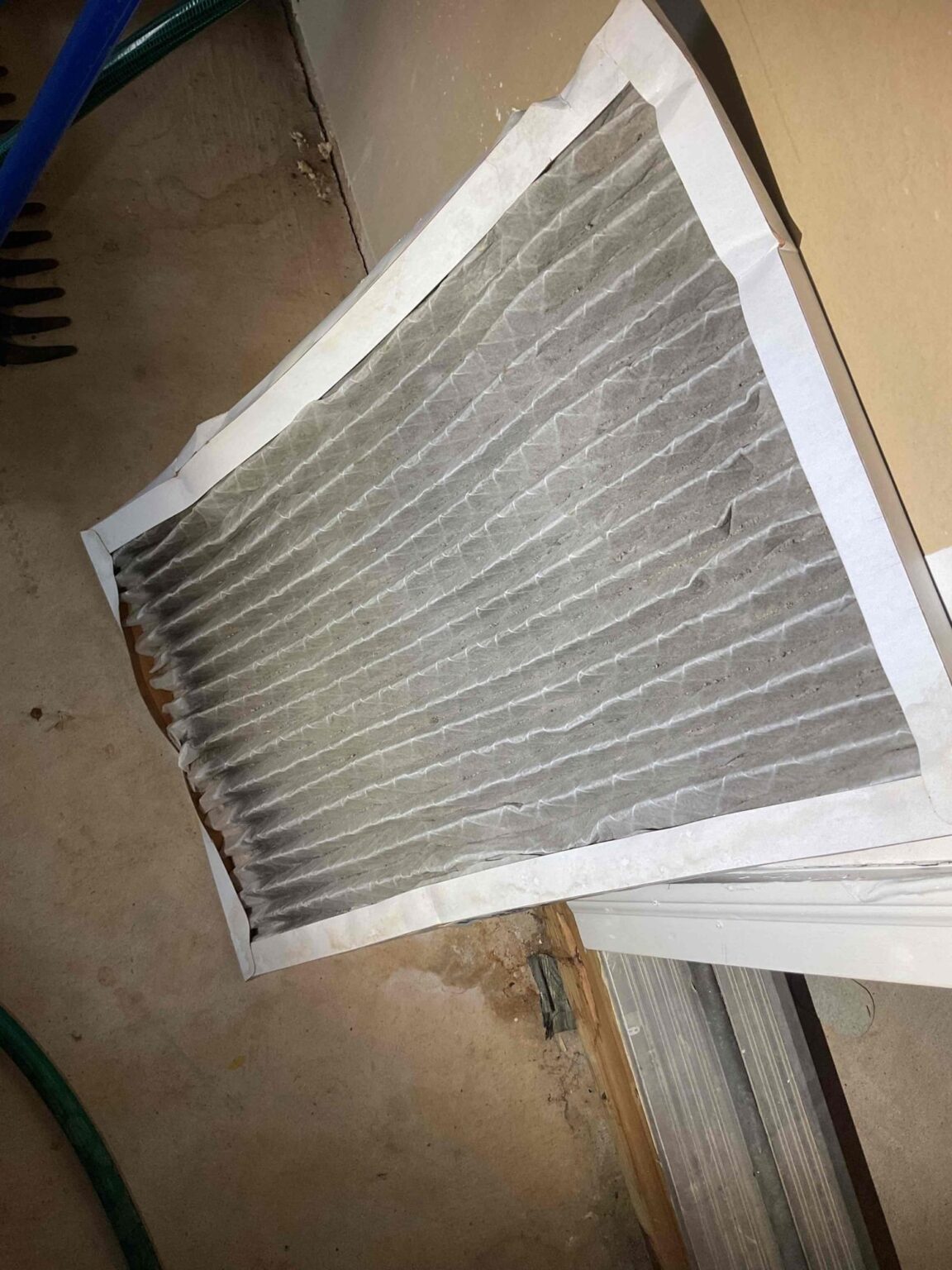
A one-inch filter from the hardware store needs changing every one to three months, and in heating season with pets in the house, closer to one. A four or five inch media filter in a cabinet next to the furnace runs six to twelve months. If you’ve been treating a one-inch like a media filter, that’s your problem.
Here’s why it matters more in winter than in summer. A blocked filter starves the furnace of return air, the heat exchanger runs hotter than it’s designed to, and the high-limit switch shuts the burners off before the house gets warm. Then it fires again, and shuts off again. That’s short cycling, and it’s the cheapest possible way to cook an expensive part. On a heat pump, the same restriction just means longer run times and more electric strip heat, which you’ll see on the bill instead.
Write the date on the cardboard edge with a marker when you put it in. You’ll never wonder again.
2. Run the heat now, on a warm afternoon
Every heating system in the region gets tested on the same night: the first genuinely cold one. That’s why the phones ring off the hook that night and not the week before.
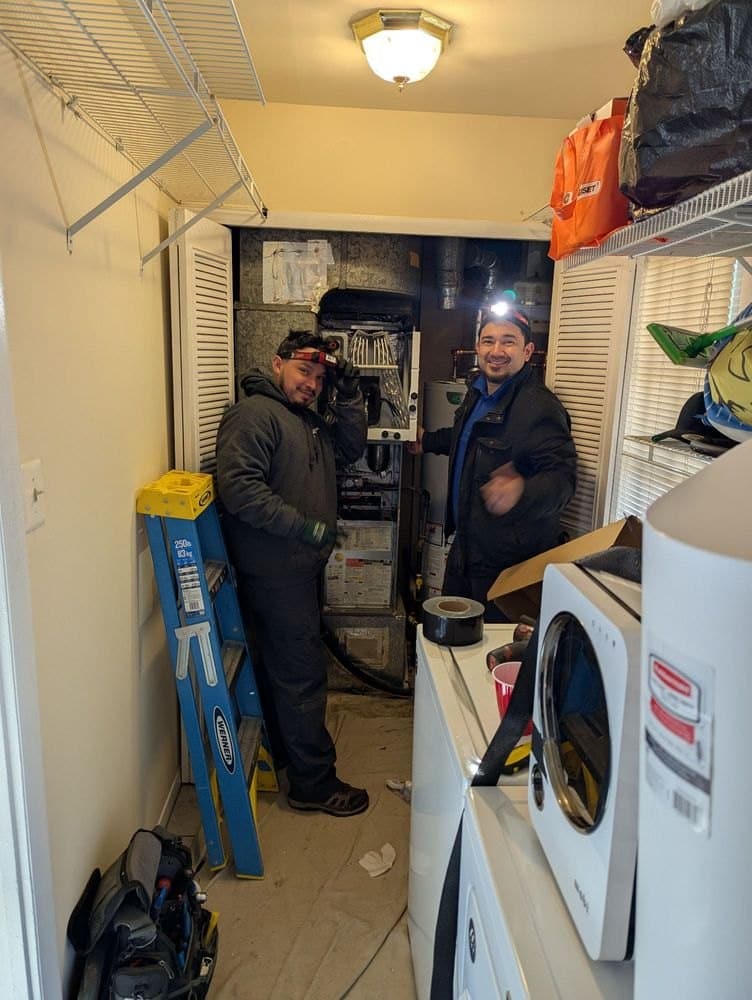
Beat it. On a 60 degree afternoon, push the thermostat up five degrees and let the system run for fifteen minutes. A burnt dust smell for the first few minutes is normal, that’s the summer’s dust burning off the heat exchanger.
What isn’t normal: the igniter trying three times and locking out, a boom or a whump when it lights, a squeal from the blower, water pooling at the base, any smell of gas, or the thing running steadily and blowing air that never gets warm. Any of those in September is a scheduled repair. The same thing in January is an emergency call in the cold, and you’ll take whatever appointment you can get.
If your system is gas-fired and more than about twelve years old, this is also the right moment to have someone actually look at the heat exchanger, because a crack in one is how carbon monoxide gets into a house.
3. Disconnect every hose. Yes, even with frost-free faucets
This is the two-minute job that prevents the most expensive surprise on the list, and almost everyone with a “frost-free” spigot skips it because the name sounds like a promise.
A frost-free sillcock works by putting the actual valve six to twelve inches back inside the wall, where the house is warm, and draining the tube behind it every time you shut it off. Leave a hose attached and the tube can’t drain. Water sits in it, freezes, and splits the pipe inside your wall.
The cruel part is the timing. The split doesn’t leak in December, because the ice is plugging it. It leaks in April, the first warm day you go out to water something, straight into the wall cavity and down. People find it when the ceiling below stains.
So: unscrew every hose, drain it, roll it up. If there’s an interior shutoff for that line, close it and then leave the outside spigot open so anything left can drain out. An insulated faucet cover is five dollars and worth it.
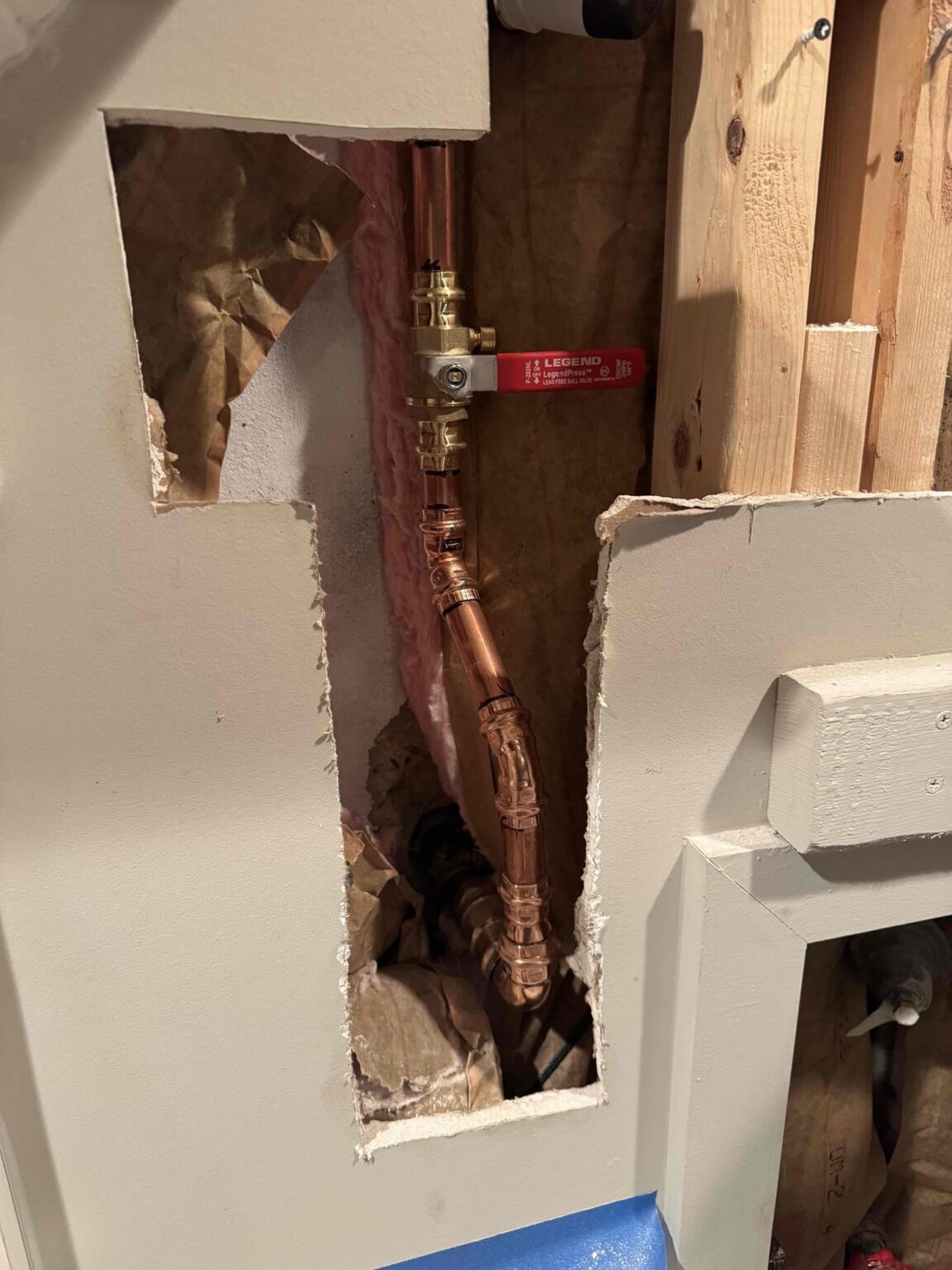
4. Find the main water shutoff and turn it today, while nothing is wrong
Not “know roughly where it is.” Turn it.
It’s usually where the service line comes through the basement or crawl space wall, often near the meter, sometimes in a utility closet on a slab house. Close it fully, open a faucet upstairs to confirm the water actually stops, then open it back up. A gate valve that hasn’t moved in fifteen years will sometimes seize, and sometimes it’ll turn but not reseal afterward. Either way, you want to learn that on a Tuesday in October, not while water is coming through a light fixture.
Then tell everyone in the house where it is. Tag it. Half of the damage in a burst pipe happens in the minutes spent looking for the valve.
5. Insulate the pipes that are actually cold, not all of them
Field research from the Building Research Council at the University of Illinois put a number on this, and it’s the one the Red Cross repeats: uninsulated pipes running through unconditioned space start freezing when the outdoor temperature hits about 20 degrees. Wind on an exposed run moves that higher.
Which means insulating the pipes in your heated basement accomplishes very little, and the ones that matter are the ones in the cold: the garage, the crawl space, an unheated basement or utility room, anything running through the attic, and the supply lines to a kitchen or bath fixture on an exterior wall. Foam sleeves are a couple of dollars a length and go on with a utility knife.
Then keep two moves in your pocket for the nights that go into the teens: open the cabinet doors under sinks on exterior walls so house air can reach the pipes, and let one faucet at the far end of the run drip. Moving water is much harder to freeze than still water.
Locate and Test Your Main Water Shutoff Valve Today
CO alarms don’t last forever, and the sensor dying is silent. NFPA and the manufacturers put the life at seven to ten years depending on model, and the manufacture date is printed on the back of the unit. Anything built after August 2009 will chirp an end-of-life warning every 30 seconds that a fresh battery won’t stop, which is exactly the chirp people take the battery out to silence.
Winter is when this matters. The furnace or boiler is running, the water heater is running, the house is sealed up tight, and every combustion appliance in it’s venting through something that has been sitting unused since March. One alarm on each level, one near the sleeping rooms, and read the date on the back of the ones you already own.
7. Seal the leaks you can reach in one afternoon
The biggest air leaks in a Northern Virginia house are almost never the windows everyone blames.
- The attic hatch or pull-down stairs. Usually an uninsulated plywood lid over a hole in your ceiling. Weatherstrip it and glue rigid foam to the back.
- The rim joist, the band of framing where the floor meets the foundation. In an unfinished basement you can see it. It leaks all the way around the house.
- The garage door bottom seal, and the weatherstripping on the door between the garage and the house.
- Penetrations: where the dryer vent, hose bibs, gas line and refrigerant lines pass through the wall. A can of foam handles all of them.
While you’re in the attic, look across it. The Department of Energy recommends R-49 to R-60 for our climate zone, which covers all of Northern Virginia. If you can easily see the tops of the ceiling joists sticking out above the insulation, you’re a long way under that, and it’s the single best return on money in the whole house.
8. Set the thermostat on a schedule, with one heat pump exception
The Department of Energy’s number: turning the thermostat back 7 to 10 degrees for 8 hours a day saves as much as 10 percent a year on heating and cooling. That’s the workday, or overnight, and it’s real money for zero dollars.
The exception, and it’s a big one here. If you heat with a heat pump, a deep setback backfires. When the thermostat asks for a large recovery, the system calls in the electric resistance strips to get there fast, and resistance heat is the most expensive heat in the house. On a heat pump, keep setbacks to two or three degrees, or use a thermostat with real heat pump recovery logic that ramps early instead of leaning on the strips.
Whatever you do, don’t go below 55 when you’re away, and don’t go that low at all if you’ve plumbing running through exterior walls.
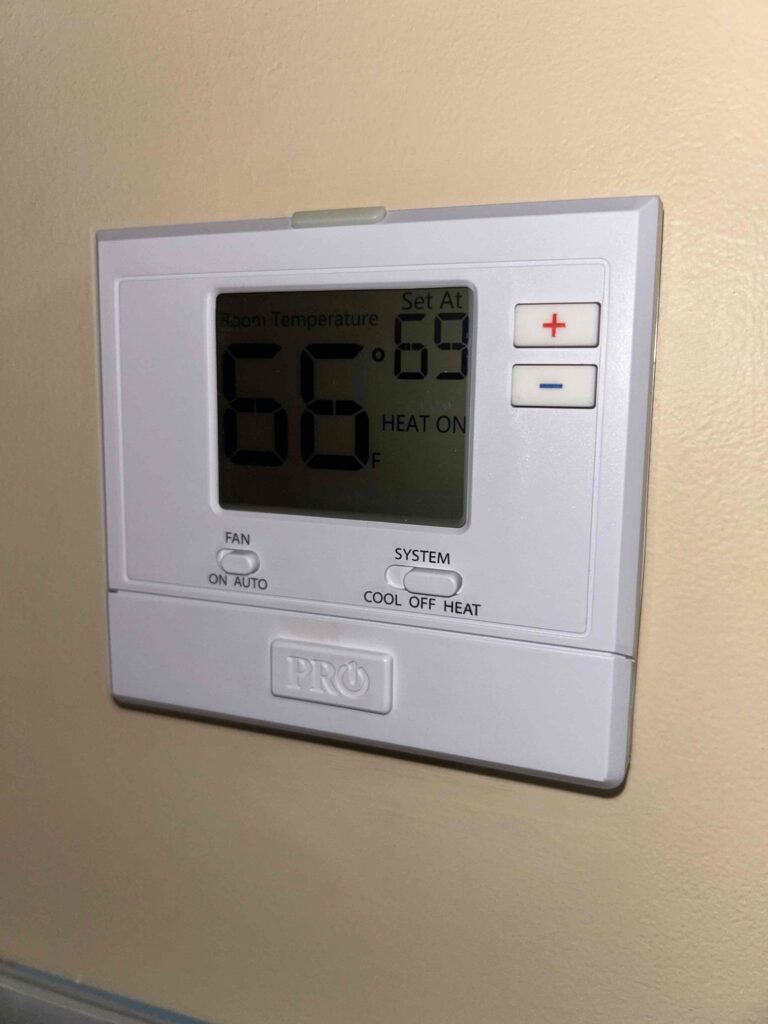
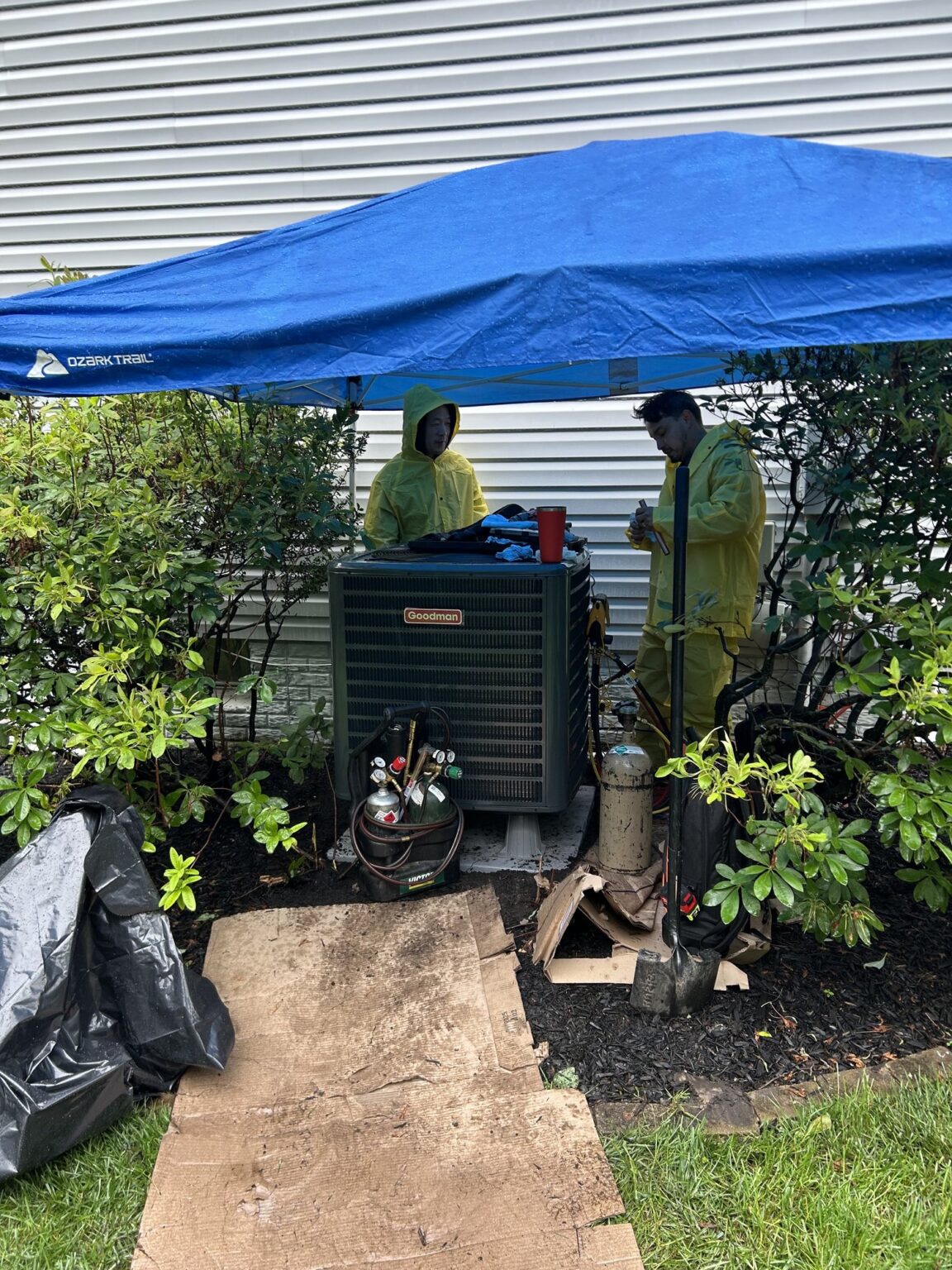
9. Clear the outdoor unit. Do not wrap it
If you heat with a heat pump, that outdoor unit runs all winter, and covering it’s how you destroy it. This gets said badly online every fall.
Even on a straight air conditioner that genuinely does sit idle until spring, a full wrap traps moisture against the coil and turns the cabinet into a heated, sheltered condo for rodents who will eat the wiring. If you want to cover something, cover the top only.
What actually helps: rake the leaves out of the base, cut back anything growing into it, keep a couple of feet clear on all sides, and think about where the snow gets shoveled and where the roof drips, because a unit sitting under a drip line ends up in a block of ice.
Speaking of which: frost on a heat pump coil, with steam rising off it a few times a day, is the defrost cycle working exactly as designed. Solid ice encasing the coil, or ice building over the top of the cabinet, isn’t. That one gets shut off and called in. There’s more on what to expect from a heat pump in a Virginia winter if this is your first one.
10. Flush the water heater and check what it is set to
Winter is the water heater’s hardest season and nobody thinks about it that way. The water coming into the house is 20 to 30 degrees colder than it was in July, so the same shower takes noticeably more work, and the tank runs longer for every gallon.
Two things to do:
- Flush it. Sediment settles in the bottom of a tank and the burner has to heat through it. That’s the popping and rumbling you hear. Once a year is the cadence, and the offers page usually carries $49 off a flush for first-time customers.
- Set it to 120 degrees. That’s the DOE recommendation. Hot enough for anything you actually do, less scald risk with kids in the house, and less money burned holding water hot around the clock.
While you’re standing there, find the date on the label. If it’s a tank and it’s past ten or twelve years old, you’re on borrowed time, and it’s worth knowing what a replacement runs before it picks the date for you.
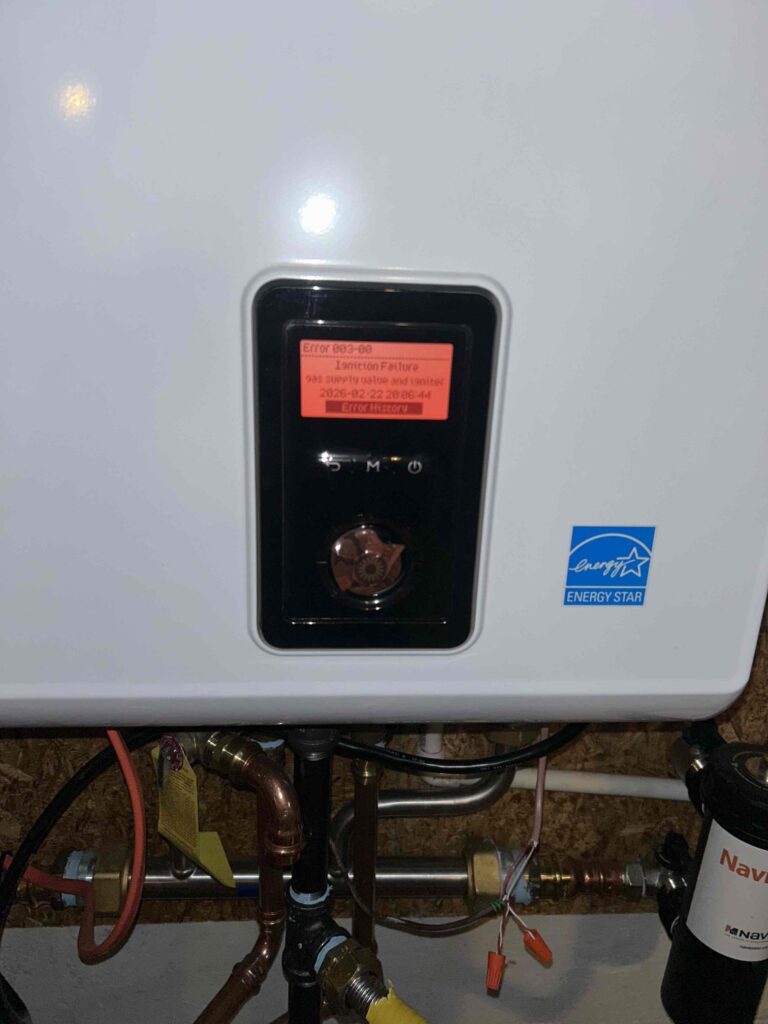
One local note for tankless owners: if your tankless unit hangs in an unheated garage, its freeze protection is electric. Never unplug it or kill that circuit over the winter, and if it throws an error code in a cold snap, deal with it then rather than in the spring.
If you’ve got another hour
- Clean the gutters and check the downspouts. A clogged gutter holds water, water freezes at the eave, and the ice dam that forms pushes meltwater back up under the shingles. That shows up as a stain on an upstairs ceiling in February.
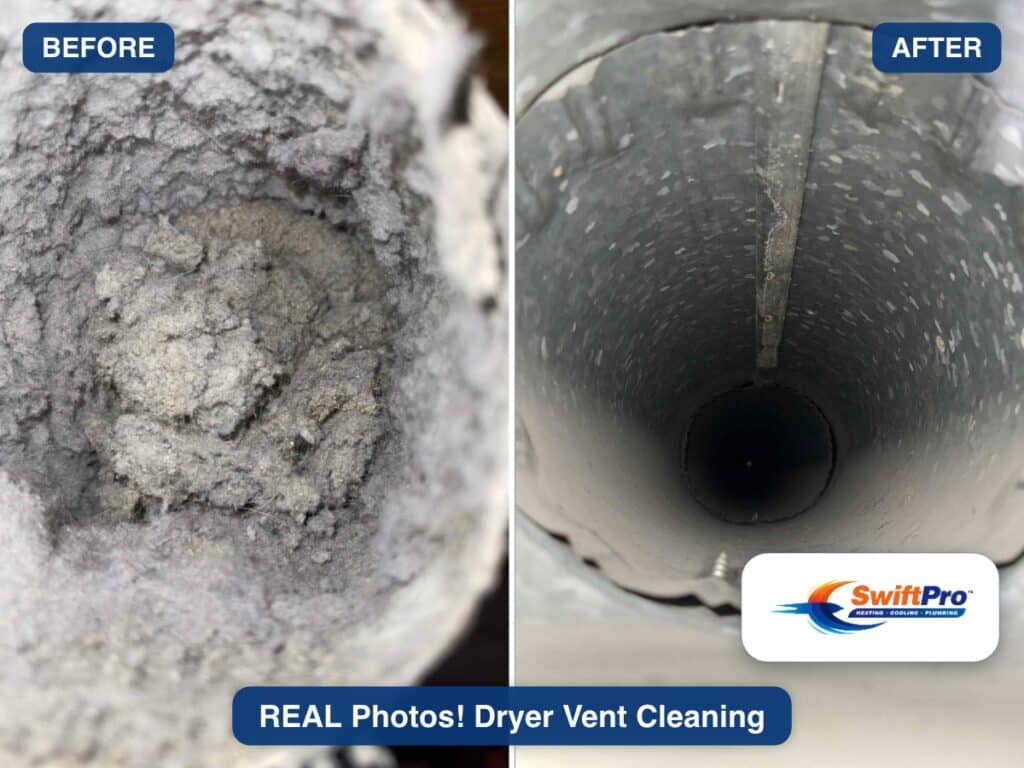
- Clean the dryer vent. A packed vent is a fire risk year round, and in winter the run through a cold wall collects even more lint because the moist air condenses in it. If your clothes need two cycles, that’s the tell.
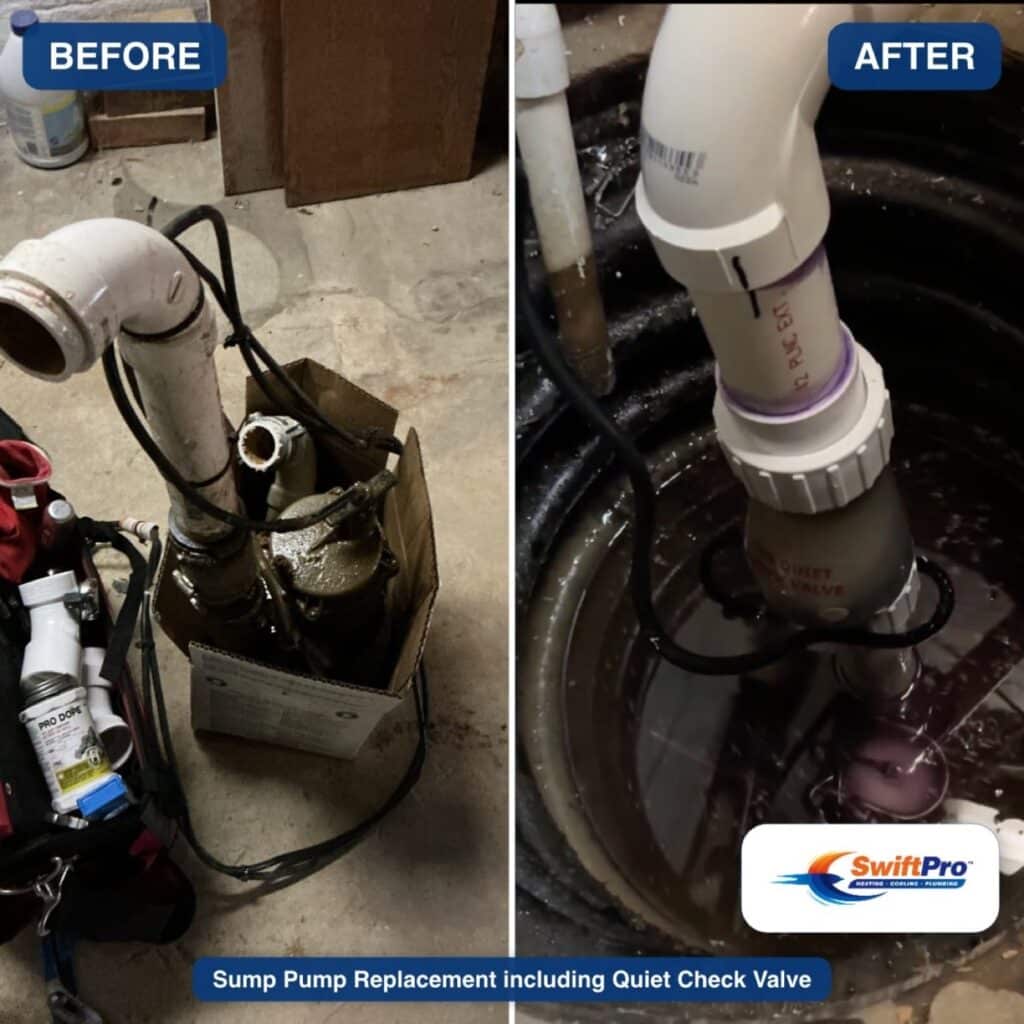
- Test the sump pump and look at where it discharges. Pour a bucket in the pit and make sure it kicks on. Then check that the discharge line outside isn’t going to freeze solid, because a blocked discharge means the pump runs against a closed pipe and burns out, usually during the first thaw.
- Deal with the whole-home humidifier if you’ve one: new pad, water panel valve open, and the setting somewhere around 35 to 40 percent. Dry winter air is why the house feels cold at 70 and why everyone’s throat hurts in January. (If you don’t have one, the offers page currently lists $250 off a whole-home humidifier.)
- Check the fireplace damper and confirm it closes. An open damper on an unused fireplace is a permanent hole in your house.
- Reverse the ceiling fans to clockwise on low. It pushes the warm air off the ceiling back down the walls instead of blowing it at you.
Before you leave for the holidays
Almost every catastrophic freeze we see happens to an empty house. Four moves, and they take ten minutes:
- Don’t turn the heat off. 55 degrees minimum, and higher if you’ve plumbing in exterior walls. The heating you “save” is nothing next to one burst pipe.
- Shut the main off and open a faucet if you’ll be gone more than a couple of days. A pipe that does freeze can’t flood a house that has no water pressure behind it. The exception: don’t do this if you have a fire sprinkler system, or hydronic (hot water) heat that needs the supply.
- Have somebody walk through every day or two. A neighbor who notices a cold house on day one saves the whole thing.
- Kill the supply valves to the washing machine and the icemaker if it’s a long trip. Washer hoses are a top-five source of water damage even when it isn’t cold.
What’s worth paying someone for
Honestly? Most of this list is yours. Hoses, filters, the shutoff valve, the thermostat schedule, the fan direction, the leaves around the outdoor unit. None of it needs us.
Where a technician earns the money is the part you can’t see: combustion, the heat exchanger, gas pressure, the flame sensor, amp draw on the blower and the compressor, refrigerant charge, and the safeties that are supposed to shut everything down if something goes wrong. That’s the seasonal tune-up, and it’s $99 a system. It’s also included twice a year, as a fall heating and a spring cooling maintenance visit, along with a water heater flush with a sewer camera inspection and a dryer vent cleaning, if you’re on the Comfort+ membership.
Book the $67 Heating Check, or price a new furnace
Get it checked before the cold. The $67 Heating Check covers one furnace or heat pump, through December 31. If you also want the blower wheel pulled and cleaned with a full tune-up, that is $229.
What a new furnace costs in your house. The furnace price estimator asks a few questions about your home and shows the installed price for your size, from $4,285. From about $71 a month at 0% APR for 60 months, the whole price financed, on approved credit. You can book a free in-home measurement from the same page.
SwiftPro does heating, cooling and plumbing across Northern Virginia, so a fall visit can cover the furnace and the water heater in one trip. Call (703) 997-9757 or book online. Do it in October if you can. In January, everybody calls at once.

Watch our techs on real furnace jobs
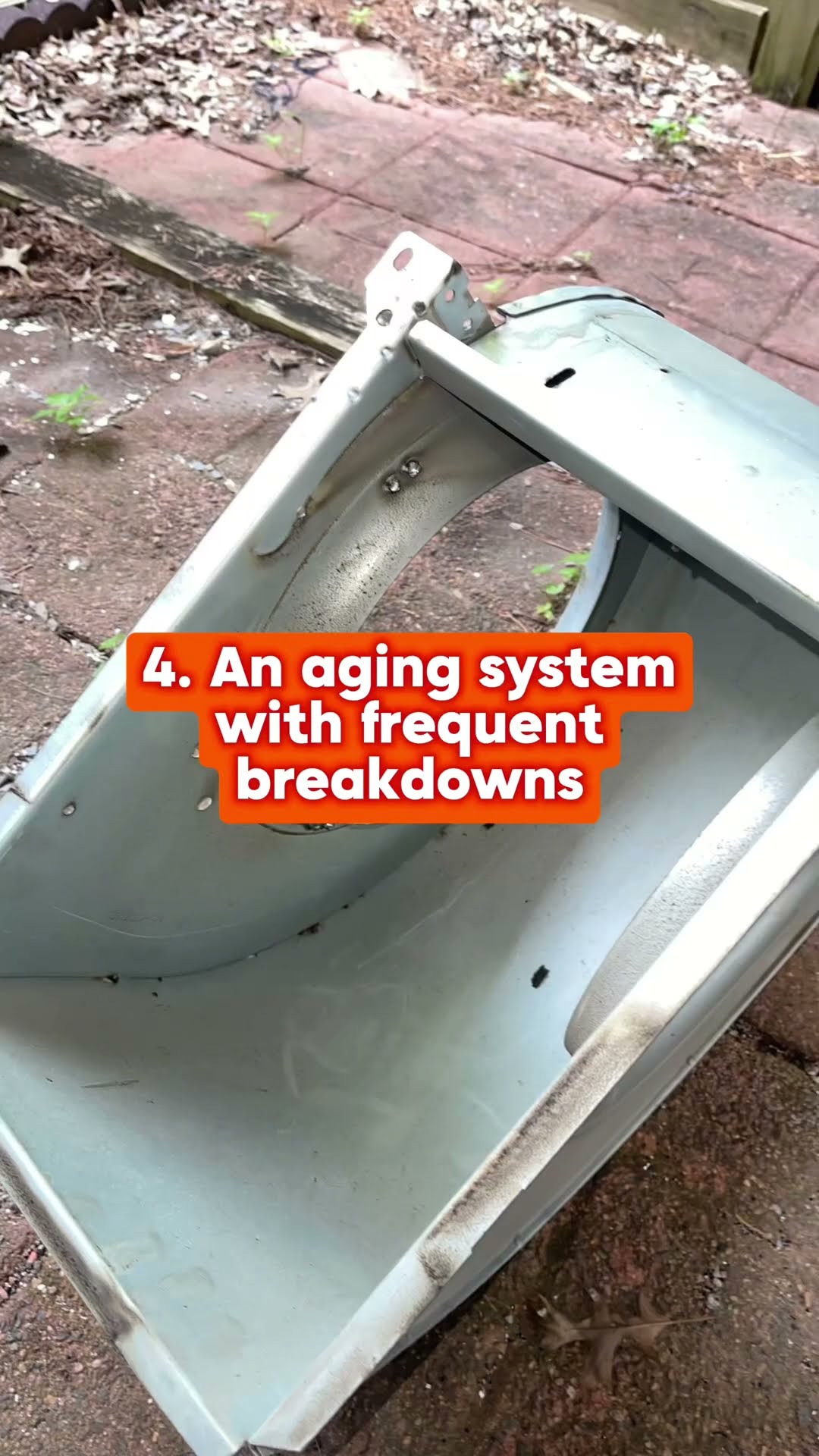
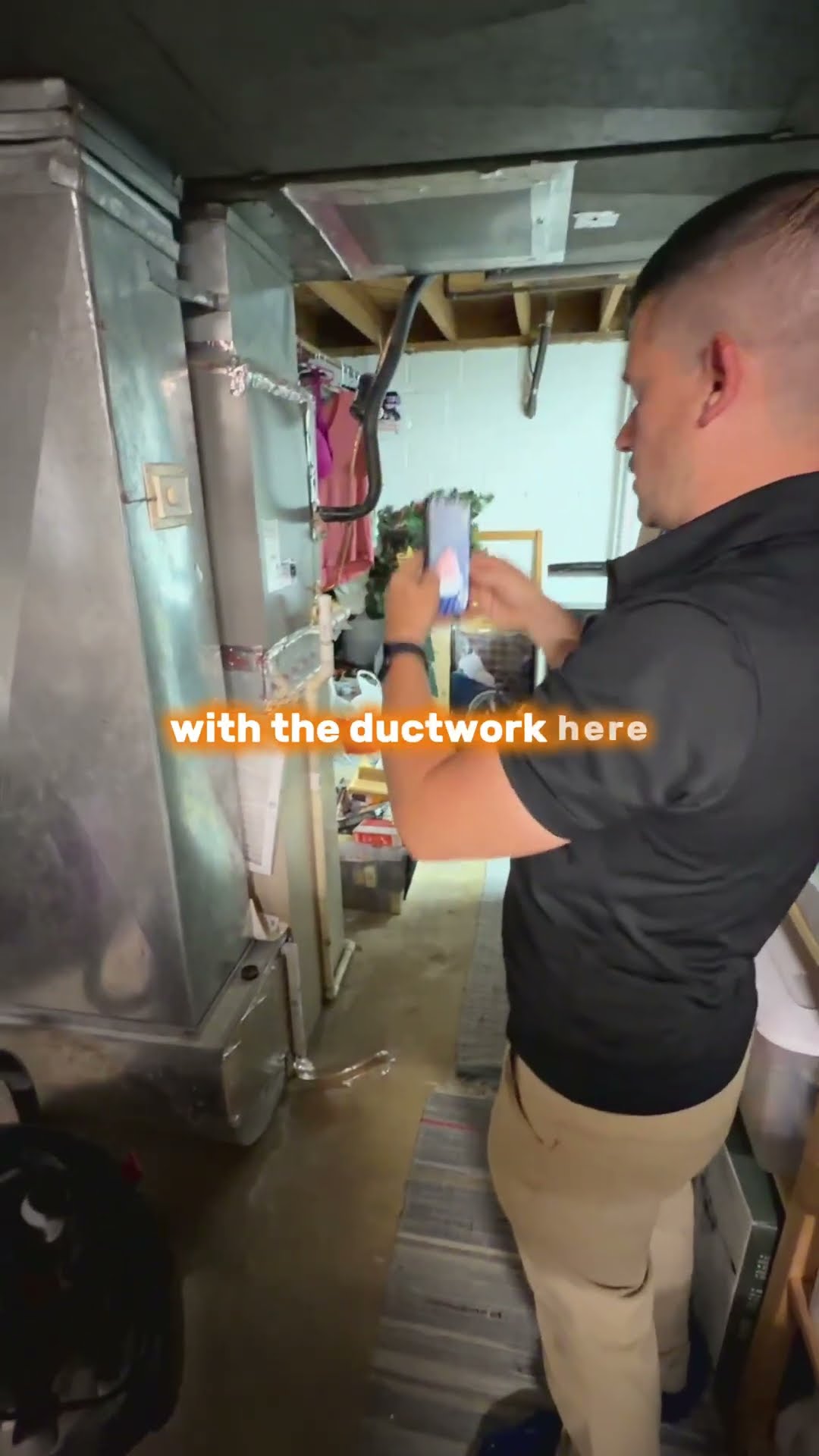
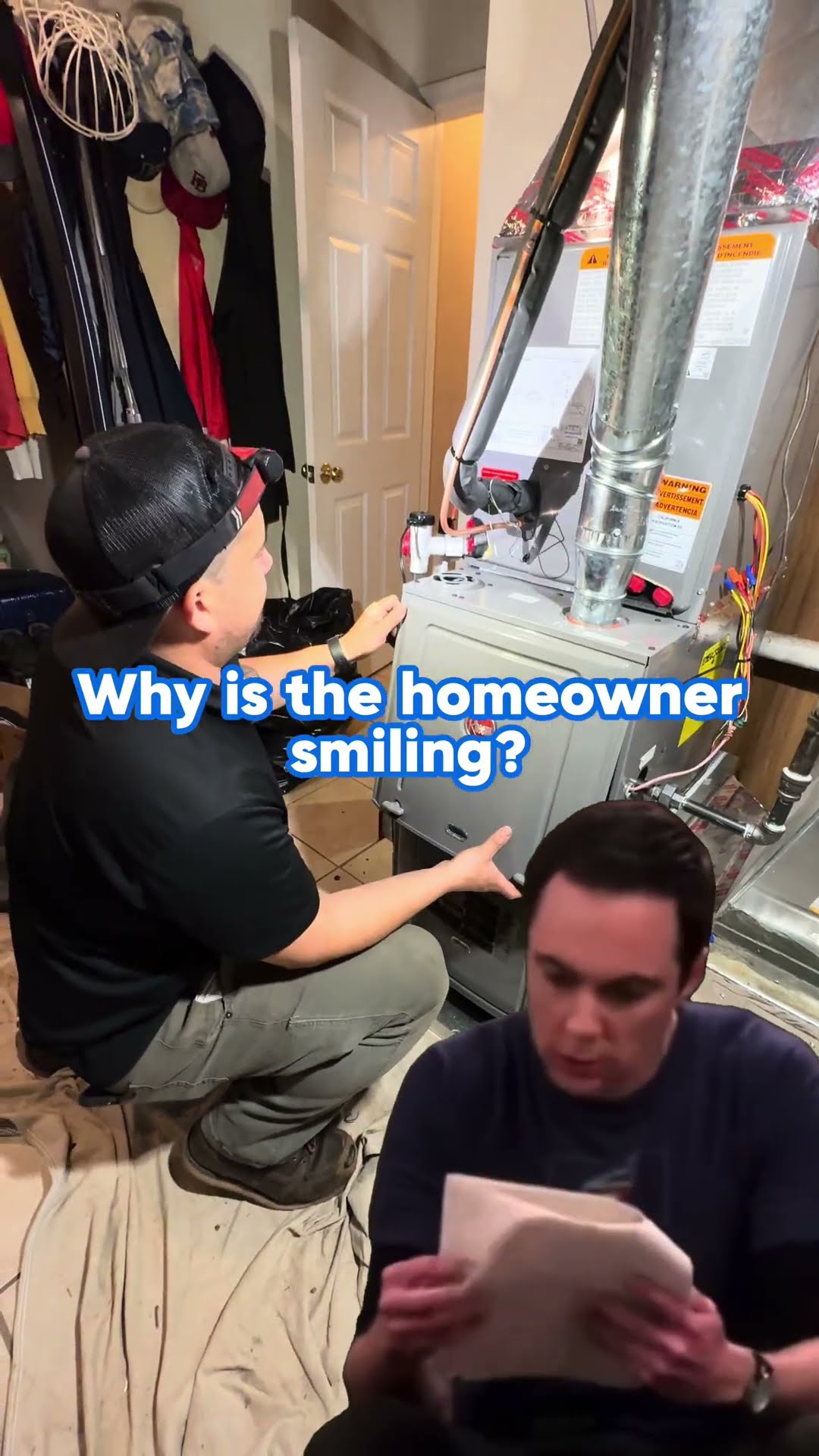
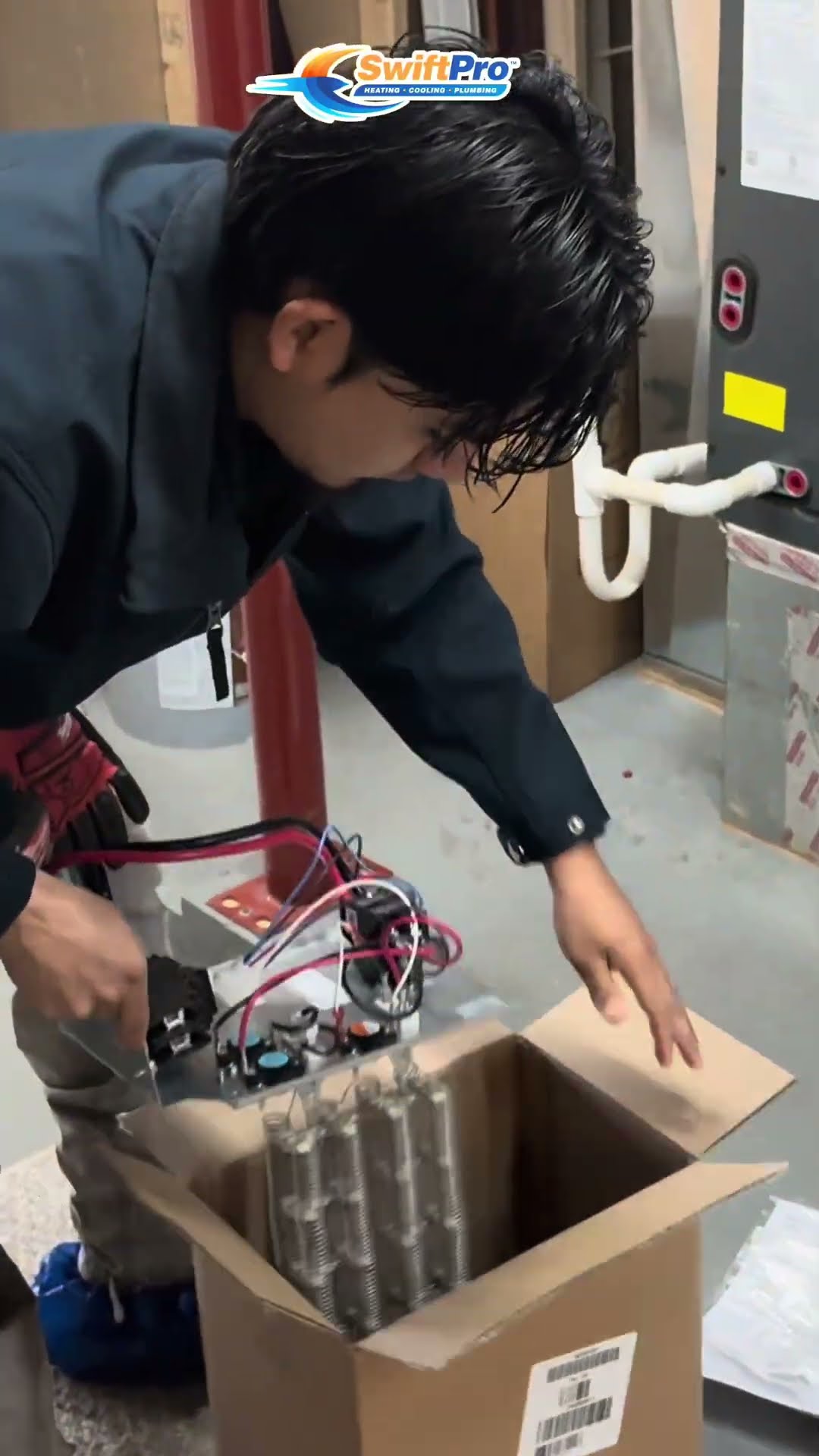
Real jobs in Northern Virginia homes, filmed by our own crew. Tap one to watch.