


The short answer
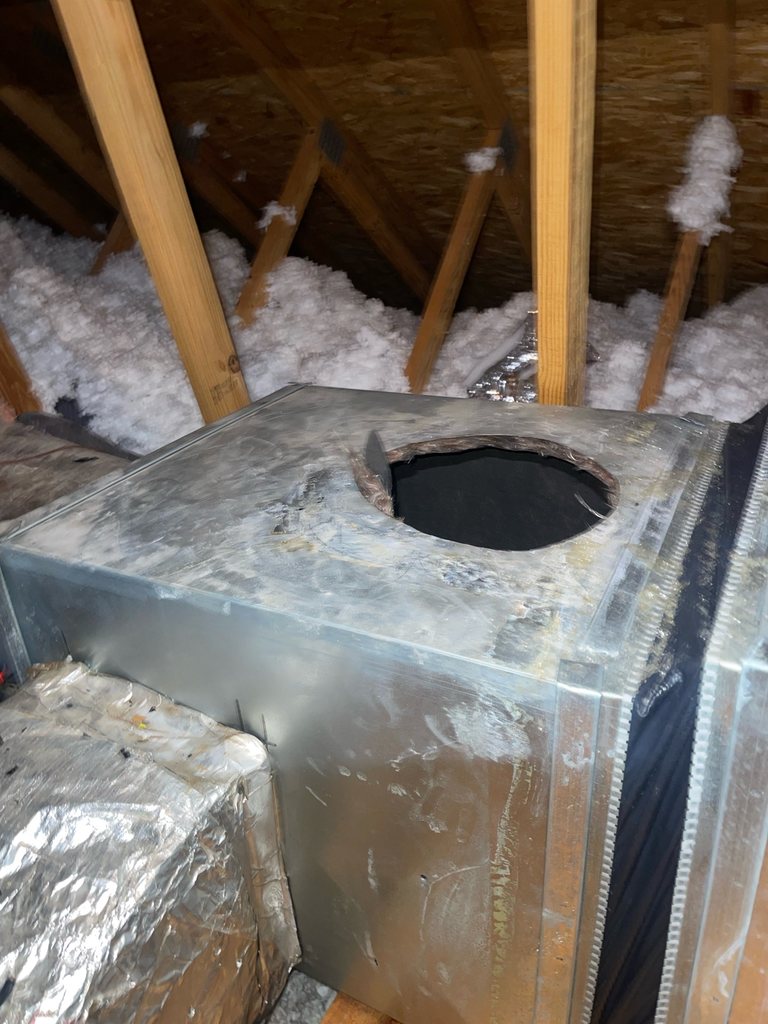
If the ducts in your Northern Virginia home pop or bang right when the blower starts or stops, the sheet metal is flexing under pressure, like squeezing a soda can. HVAC techs call it oil canning. It usually means the system is pushing more air than the ducts can handle: a return that’s too small, closed vents, a clogged filter. Light ticking while the ducts warm up and cool down is normal.
What each sound means
Swipe to see all columns →
Swipe to see all columns →
| Sound | When you hear it | What it usually is |
|---|---|---|
| One loud pop or bang | The blower starts or stops | Oil canning: a duct panel flexing under pressure |
| Ticking | While the heat runs and after it stops | Metal expanding and contracting. Normal |
| Whistling | At a register or a return | Too much air through too small an opening |
| Rattling | At a register or in the ceiling | A loose register, damper or hanger |
| A boom from the furnace itself | When the burners light | Delayed ignition. Turn the furnace off and call. Furnace noises |
$598 Whole Home Air Duct Cleaning
Every supply and every return line in the house, register covers off, washed and put back, for $598 instead of $798. See the price
Why the pressure gets too high
A blower moves a set amount of air. If the ducts can’t take it, pressure builds, and the widest, flattest panel gives with a pop. The usual causes:
- A return that’s too small for the system, or one return for the whole house.
- Closed registers. Shutting vents in unused rooms doesn’t save energy; it raises the pressure everywhere else.
- A filter that’s too dense for the system, or just overdue.
- A dirty coil over the furnace.
- A blower set faster than the ducts were built for.
Techs measure this as static pressure with a manometer. Most homes are designed around about 0.5 inches of water column. A system well over that is the one that pops, and it’s also wearing on its blower motor every hour it runs.
What you can check
- Open every register in the house, including the rooms you don’t use.
- Check the filter. A clogged one, or a MERV 13 on a system that wasn’t built for it, chokes the return. Here’s our furnace filter MERV guide.
- Move furniture, rugs and curtains off the returns.
- Listen for where the pop is. A trunk line in the basement or attic is the usual spot.
If the pop gets quieter with every vent open and a fresh filter, you’ve found the cause.
How a tech fixes it
The quick fix is mechanical: a bead or a cross-brace pressed into the flat panel so it can’t flex. The real fix is the pressure. That means measuring static pressure before and after, setting the blower speed to what the ducts can carry, and sometimes adding or enlarging a return so the system can breathe. The second fix also tends to even out room temperatures.
Cold rooms come with it
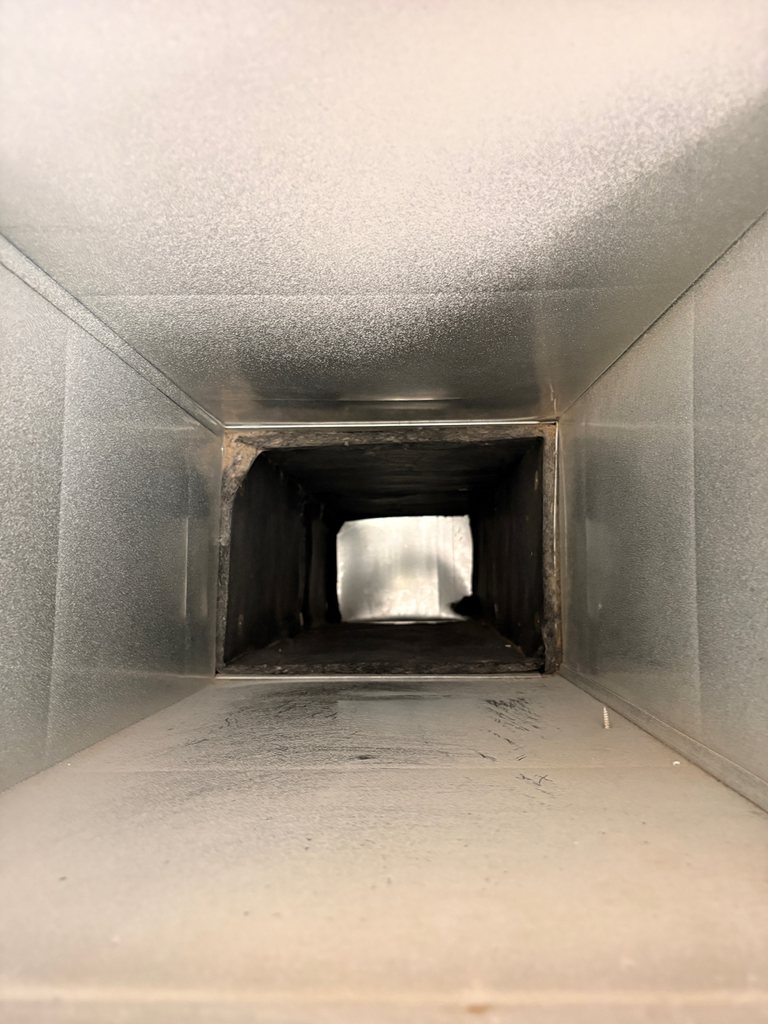
A system fighting high pressure often leaves a room or two short of air. Here’s why you might have one cold room in the house, and how leaky ducts waste heat on the way. Cleaning doesn’t stop a pop. If you’re curious what’s inside the ducts anyway, our duct cleaning is $598 (regularly $798) and starts with camera photos so you can see whether they need it.
Every other sound in the house is in our guide to house noises. If the system shows a code instead, start with error codes and warning lights.
Get ahead of it
Our heating check is $67 per system, through December 31: furnace, heat pump or boiler. We check the filter, the blower and the airflow while we’re there.
Book it
A repair visit starts with a flat $99 diagnostic, or $250 after hours, and you get the price of the fix before we touch anything. Call (703) 997-9757, day or night, or book online from goswiftpro.com/cookiesoffer by November 30 and a box of warm MOLTN cookies comes with the heating check. Every current deal is on our offers page. Rated 5.0 stars across 1,138 reviews on Google, Angi, Yelp, the BBB and Facebook, Virginia Class A license 2705192276.
Questions people ask
Why do my ducts pop when the heat comes on?
The blower is building more pressure than the ducts can handle, and a flat panel of sheet metal flexes with a pop. It’s called oil canning. Closed vents, a clogged filter or a small return are the usual causes.
Is ductwork popping dangerous?
No, not by itself. It does mean the system is fighting high pressure, which wears on the blower motor. A boom from inside the furnace when the burners light is different: turn it off and call.
Does closing vents cause duct noise?
Yes. Closing registers raises the pressure in the rest of the ducts, which makes popping and whistling worse. Keep every vent open.
Can popping ducts be fixed?
Yes. A tech can brace the panel so it can’t flex, set the blower speed, and add or enlarge a return to bring the pressure down.


