

Springfield repairs tend to run bigger than the Northern Virginia average, and that is worth explaining, because it is not a Springfield surcharge.
It is the mix. When Springfield calls us, the job is more often a blower motor, a control board or a full diagnostic on a system that has been patched a few times than a ten minute flame sensor cleaning. That is what happens in a town where most of the housing went up between the 1950s and the 1970s and a large share of the equipment is on its second or third replacement, carrying whatever compromises each of those replacements involved.
The good news is that the repairs are usually still worth doing. The point where they stop being worth doing is further down this page.
Four ZIPs, one common problem
Springfield is really four postal areas covering a lot of ground: 22150 around the older core, 22151 toward North Springfield, 22152 in West Springfield, and 22153 down toward Saratoga and Newington. Housing ranges from 1950s ramblers to 1970s and 80s colonials and townhouses, plus newer infill.
Across all of it, boilers are essentially absent. Springfield heats with gas furnaces and heat pumps, which narrows the failure list considerably.
What it does not narrow is the ductwork problem, and this is the Springfield issue. A lot of these houses were built with one large return grille in a hallway and supply ducts sized for the original floor plan. Then somebody finished the basement, added a bedroom over the garage, or replaced a 1968 furnace with a modern one that moves air differently. The result is a system that is fine on paper and never comfortable in practice, with one room always cold and a furnace that overheats and shuts itself down on the coldest nights.
If a technician has replaced parts on your system twice and the house still is not right, ask for airflow to be measured rather than another part quoted. Here is the list of causes, in order of how often each one turns out to be it.
What breaks, and what it means
Runs ten or fifteen minutes and shuts off, comes back later. The furnace is overheating and protecting itself, which in Springfield usually traces back to the airflow story above. Filter first. Then the blower wheel, $300 to $440 to pull and clean. If both are clean and it still trips, that is the duct conversation.
Lights and dies in seconds, over and over. Flame sensor, $95 to $180.
Clicking with no flame. Hot surface igniter, $240 to $410.
A squeal or grind from the blower. Blower motor on its way out, $670 to $2,400 depending on whether it is a standard or variable speed motor. Do not wait for it to seize in January.
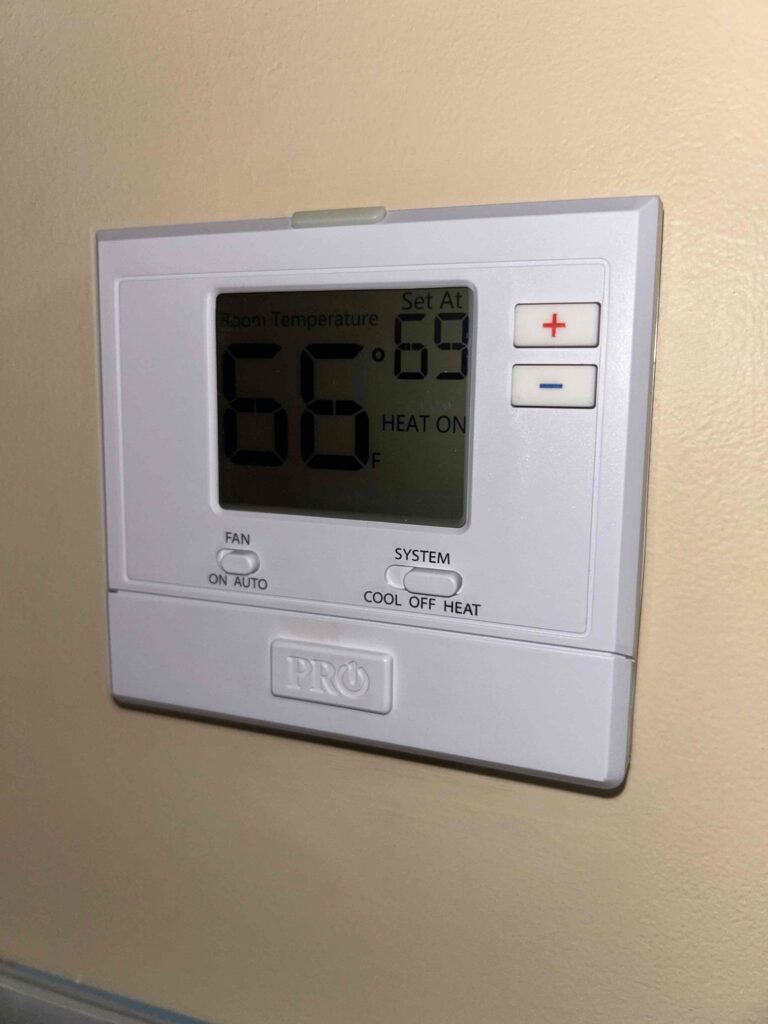
Nothing at all. Thermostat batteries, the furnace switch on the wall beside the unit, the breaker, in that order. Then a control board at $550 to $1,180, or a clogged condensate trap at $175 to $420 on a high efficiency furnace that is refusing to start on purpose.
Heat pump iced solid, or aux heat on in mild weather. Defrost board $450 to $1,150, or a refrigerant or compressor problem. Heat pump symptoms in detail here.
The repairs, priced
- Diagnostic visit: about $99.
- Flame sensor cleaned $95 to $180; igniter or sensor replaced $240 to $410.
- Condensate drain or trap: $175 to $420.
- Thermostat: $300 to $640.
- Blower wheel cleaned: $300 to $440.
- Control board: $550 to $1,180.
- Blower motor: $670 to $2,400, with most around $1,500.
- Inducer motor: about $1,950.
- Cracked heat exchanger: not a repair at any price, and here is how to know the diagnosis is real.
When the repair becomes a bad buy
The arithmetic that matters: a furnace alone is $4,498 to $12,300 installed, a furnace and air conditioner together $8,898 to $23,000 by system size.
So a $1,500 blower motor on a seventeen year old furnace is a third of the way to a new one, with the rest of the furnace still seventeen years old. ASHRAE puts a gas furnace’s median service life at eighteen years. ENERGY STAR’s threshold for even thinking about replacement is fifteen for a furnace and ten for a heat pump. If you have paid us, or anyone, twice in the last three winters, the third repair is the one to think hard about.
Two things that change the math in your favor right now. Washington Gas is paying $500 on a furnace at 95.1 to 96.9 percent efficiency and $700 at 97 percent and up, through contractors in its network. And if the air conditioner is the same age as the furnace, doing both at once costs less than two jobs two years apart, because the labor and the permit overlap.
The furnace and AC estimator gives you the installed range for your system size in about two minutes, no phone number, no sales visit. What moves that number is here.
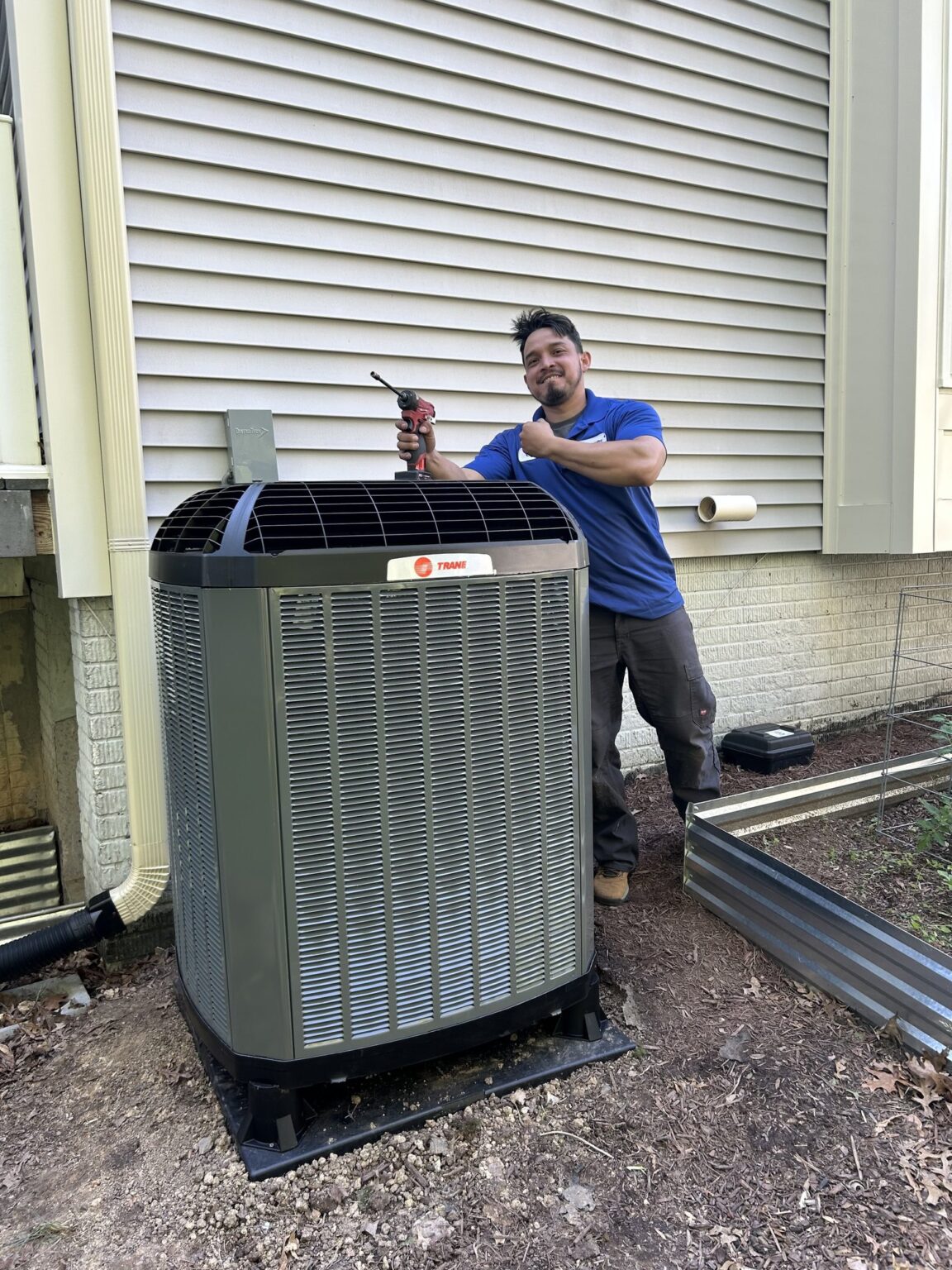
Estimated Furnace Repair Costs in Springfield
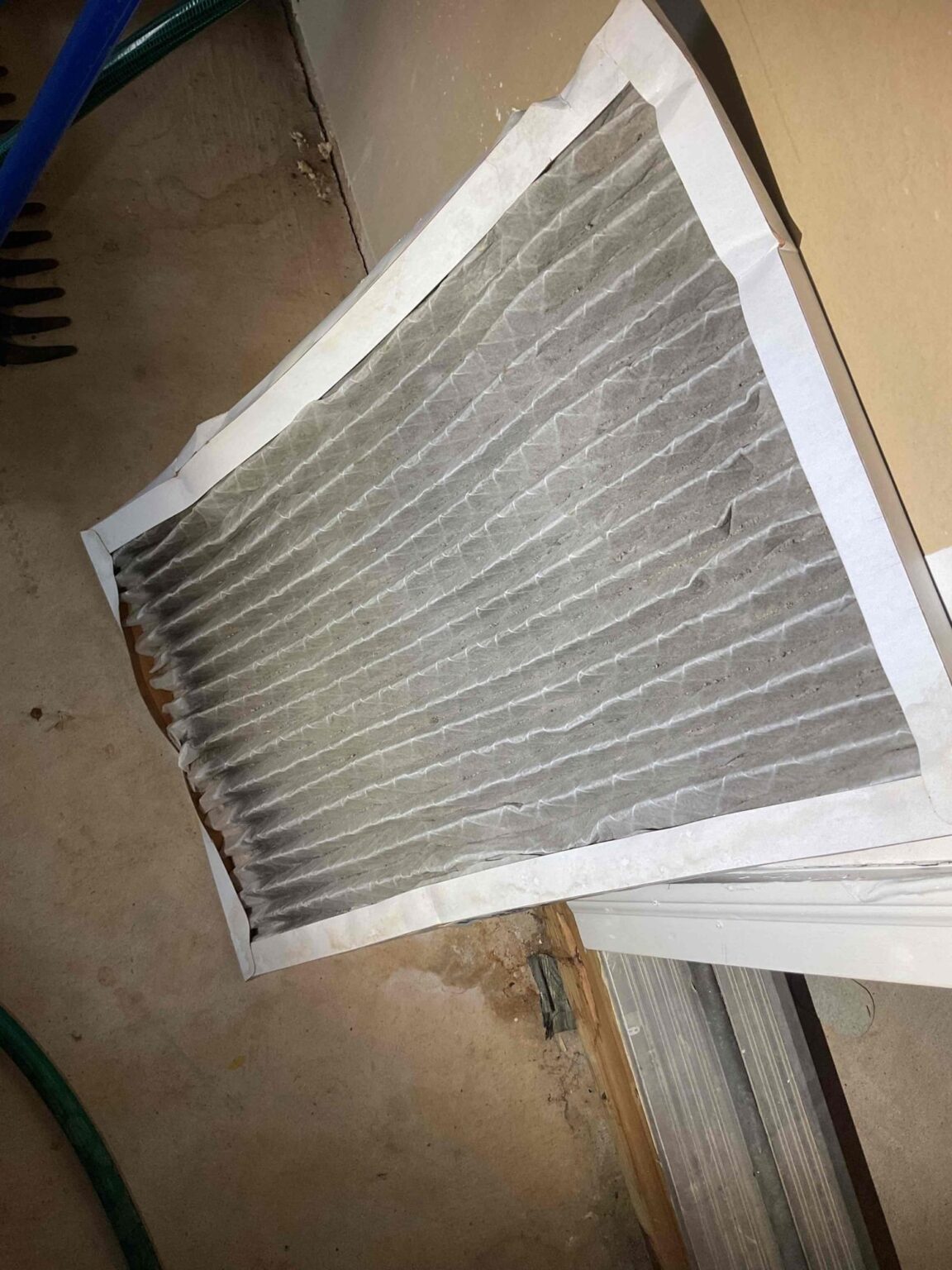
Run the heat for an hour and watch what happens in the first two minutes: inducer, igniter, burners, blower, in order, no hesitation. Change the filter, and if yours is a one inch filter in a slot you can barely reach, ask about a bigger media cabinet. In Springfield’s houses that single change fixes more comfort complaints than any part on the list above.
And put a carbon monoxide alarm on each sleeping floor. Virginia’s code requires them in new construction with fuel burning appliances, but there is no retrofit rule, so most 1960s Springfield houses only have one because somebody bought it themselves.
SwiftPro repairs heating systems across Springfield and Fairfax County. Call (703) 997-9757, book online, or start at the Fairfax County heating repair page. No heat right now is what the 24 hour line is for.