No heat, and you want someone out? Call (703) 997-9757. We answer day or night, and we will tell you honestly when we can get there. The diagnostic visit is $99, included for Comfort+ members, and the repair is priced in writing before anyone starts it: most furnace repairs we run cost $95 to $1,180. Virginia license #2705192276, fully insured, and rated 5.0 stars across 1,138 reviews. Every deal we’re running is on our offers page.
Smell gas, or is a carbon monoxide alarm going off? Skip everything below: get everyone out of the house, then call your gas company’s emergency line or 911 from outside.
If you have ten minutes first, spend them on the list below. A real share of the no-heat calls we run on a January evening are a tripped breaker, a dead thermostat battery, a furnace switch somebody flipped, or a clogged condensate drain doing exactly what it is designed to do. Every one of those is fixable by the person standing in the house.
The rest are real, and those are ours. Either way, the second half of this page matters more than the first: how to stay warm tonight without creating a worse problem than a cold house.
The ten minute check
Thermostat. Screen blank? Batteries. The system will not run without it. Set to Heat, and set above the room temperature. If you have a heat pump, make sure nobody left it on Em Heat or, worse, on Cool.
The furnace switch. There is a switch that looks exactly like a light switch on or beside the furnace, often at the top of the basement stairs. It gets flipped by people carrying laundry. Turn it on.
Breakers. One for the indoor unit, one for the outdoor unit if you have a heat pump, and on many systems a separate one for the electric heat strips. A tripped breaker sits between On and Off. Flip it fully off, then on. If it trips again within a minute, leave it off and call.
The furnace door. There is a safety switch behind the front panel, and if the panel is not fully seated the furnace will not start. If somebody changed a filter recently, push the door until it clicks.
The filter. Pull it and hold it to a light. If no light gets through, that is very possibly your whole problem: a choked filter makes the furnace overheat and shut itself down on a limit. Put a new one in.
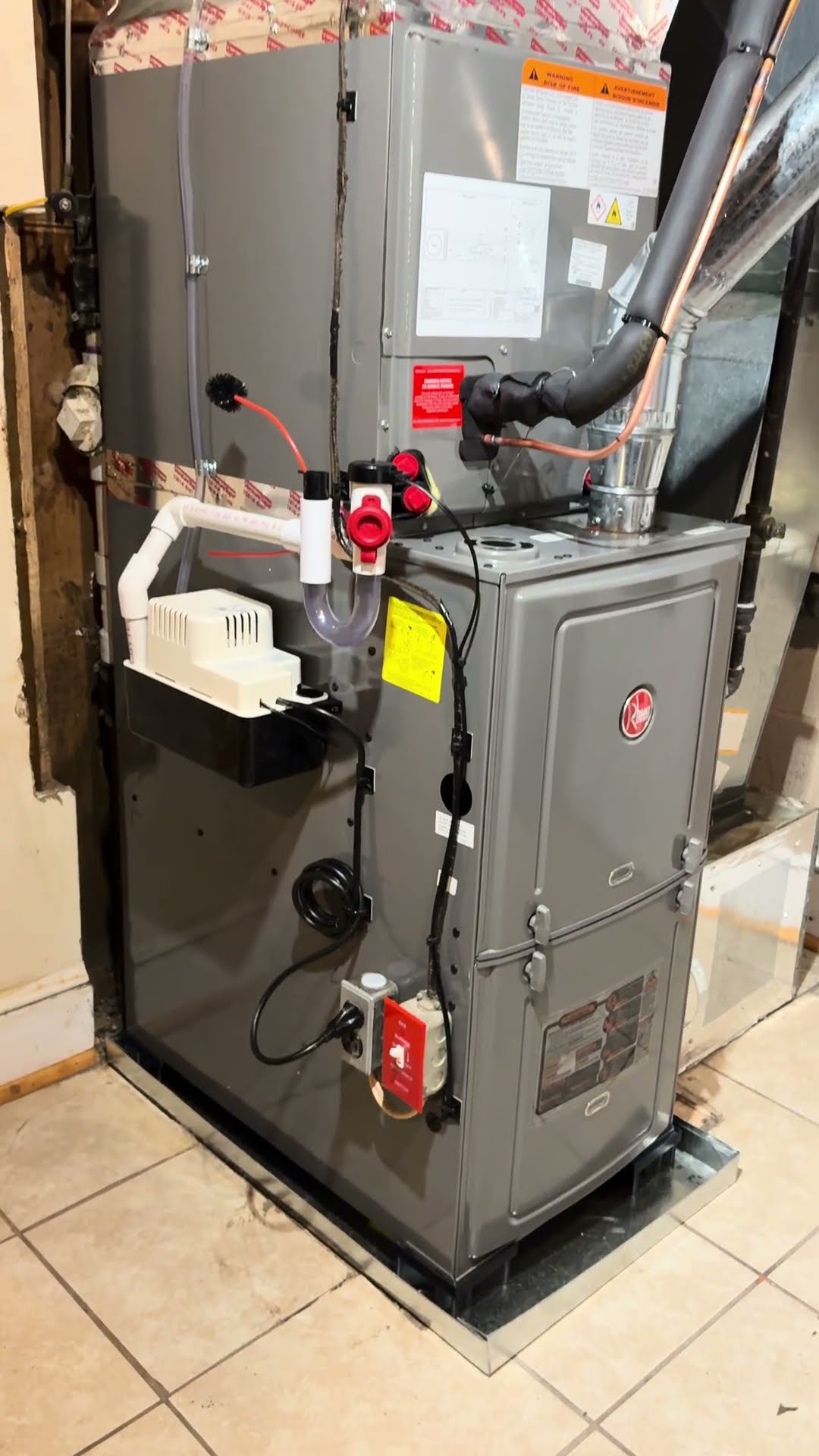
Water around a high efficiency furnace. These make condensate when they run, and when the drain or trap clogs the furnace refuses to fire on purpose. If there is water in the pan or on the floor, that is the likely cause and it is a routine repair.
Gas. Is the stove lighting? If it isn’t either, the gas supply is out, and that’s a call to your gas company. Leave the gas valves and the burner door alone; that part is ours.
Propane or oil. Check the tank gauge. Running out is more common than equipment failure, so call for a delivery first. A propane furnace that still won’t run after that is ours; an oil burner is a call to your oil service company.

What each symptom points at
It lights, runs a few seconds, shuts off, then tries again. Flame sensor, coated. $95 to $180 to clean, and our most common no-heat call.
Clicking, no flame. Hot surface igniter, $240 to $410.
The blower runs but the air is cold. On a gas furnace, the burners are not lighting. On a heat pump, cool-ish air is normal, because heat pump supply air is warmer than the room and cooler than your hand.
Heat pump outdoor unit encased in ice. Defrost is not working. Switch the thermostat to Em Heat so the strips carry the house, and call. Running it iced damages the fan and eventually the coil.
What every other part costs, on a gas furnace, a heat pump or a hot water boiler, is in our heating repair guide.
A whine or rattle, then nothing. The inducer motor, which has to prove airflow before the furnace will light.
Nothing at all, with power confirmed. Control board, or a safety that has tripped.
What each of those costs is here; the heat pump version is here.
The $67 Heating Check
We check your furnace, heat pump or boiler before winter. Through December 31. See the offer
What counts as an emergency
We will come out at night for any of these:
- No heat with an infant, someone elderly, or anyone with a medical condition in the house.
- No heat with indoor temperatures heading toward the 40s, because that is where pipes start being at risk as well as people.
- A carbon monoxide alarm sounding, or a smell of exhaust. Leave the house first and call from outside.
- A burning or electrical smell, smoke, or a breaker that trips every time you reset it. Kill the breaker and call.
What can wait until morning: the house is holding 62 and the furnace is short cycling, or one zone is out and the rest works, or it is noisy but running. Real problems, next-day problems, and booking them overnight buys the after-hours premium for the same repair.
Whether it’s the heat, the AC, or something that smells, leaks or sets off an alarm, emergency HVAC service: call now or check first sorts it into call tonight or wait for morning.
Staying warm tonight without making it worse
This is the part that actually causes harm every winter, so it is worth being direct.
Never heat a house with a stove, an oven, a grill, or a generator indoors. Not in the kitchen, not in the garage with the door open. These produce carbon monoxide, which has no smell, and the CDC counts more than 400 unintentional carbon monoxide deaths a year in this country outside of fires, with the peak between November and February. An oven left open to heat a kitchen is one of the recurring ways people die in a cold snap.
Space heaters, used the way the fire service says to use them. The US Fire Administration’s guidance is specific: keep anything that can burn at least three feet away from the heater, and turn it off when you leave the room or go to bed. Plug it directly into a wall outlet, never into an extension cord or a power strip, because the draw is high enough to overheat undersized cord. One heater per circuit. Put it on a hard floor, not a rug or carpet, and never where somebody walks in the dark.
Fireplaces, if yours is real and maintained. Damper open, screen closed, nothing burning near the hearth, and never leave it going while everyone sleeps. The same USFA guidance says chimneys should be cleaned and inspected every year by a professional, and a chimney that has not been looked at in a decade is not the thing to press into service on the coldest night.
Close off what you are not using. Shut doors to unused rooms, close blinds and curtains after dark to slow heat loss through glass, and open them on the south side during the day. Put everyone in one or two rooms and heat those.
Watch the pipes. If the indoor temperature is dropping into the 50s and the outage may run overnight, let the vulnerable faucets drip and open the cabinet doors under sinks on exterior walls. The rest of that list is here. A burst pipe is a far more expensive night than a cold one.
Know when to leave. If the house is heading below the mid 50s and there is an infant, an older adult, or anyone with a heart or breathing condition in it, go somewhere warm. A hotel is cheaper than what happens otherwise.

What the visit costs
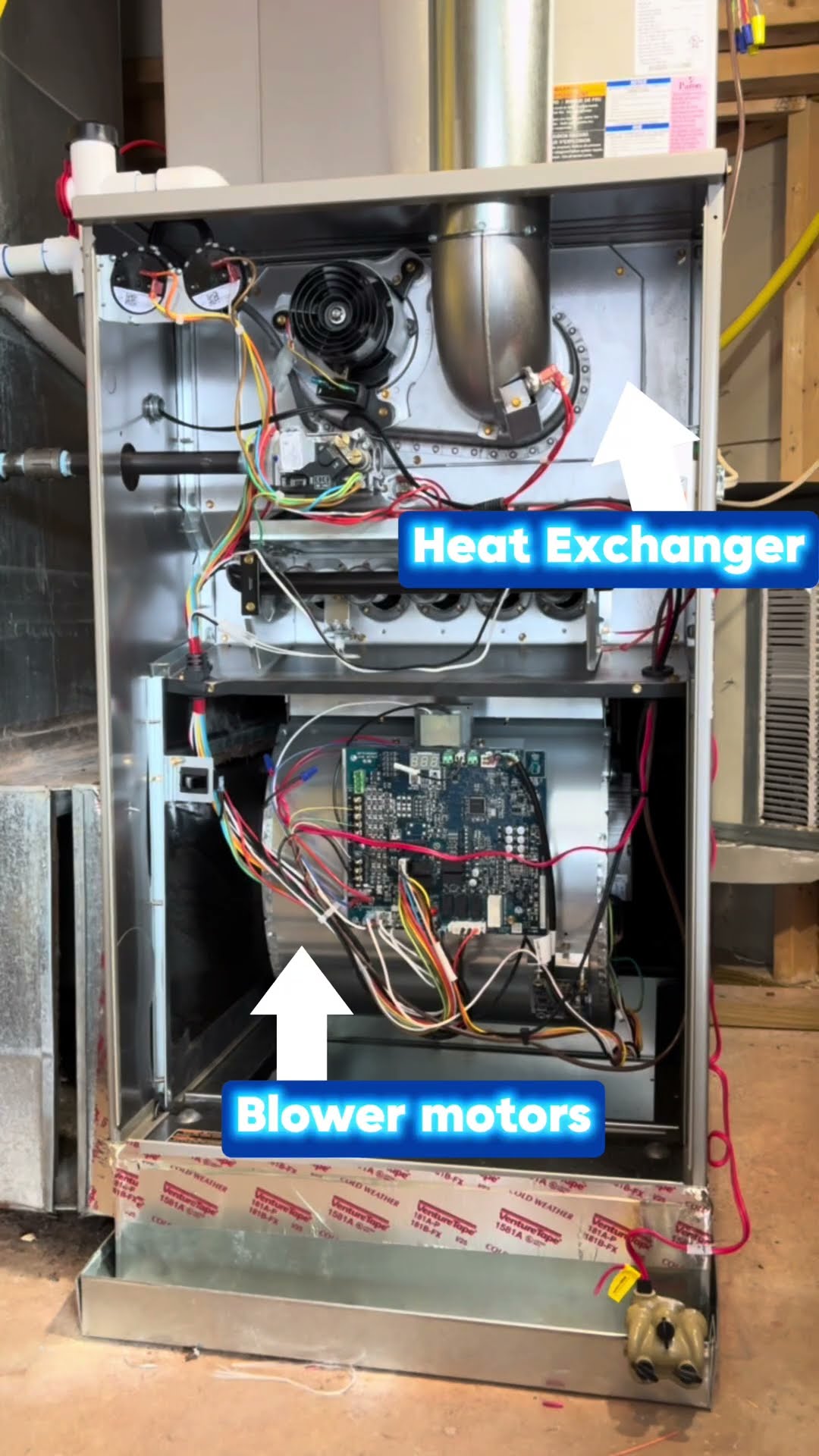
An after-hours visit carries a premium at every company, ours included, and it should be quoted on the phone rather than discovered on the invoice. The repair is the repair: a flame sensor cleaning at $95 to $180, an igniter at $240 to $410, a control board at $550 to $1,180, a blower motor at $670 to $2,400.
If it turns out to be a cracked heat exchanger, that is not a repair at any age, and you will want the replacement number before deciding anything at 10pm. The estimator gives you the installed range for your system size in about two minutes, so you are deciding with a figure instead of a feeling.
How to not be here next January
Most no-heat calls are a part that was going to fail and picked the coldest night to do it, because the coldest night is when the system works hardest. A flame sensor that is marginal in October is dead in January. What a flame sensor does, and why it fails. A condensate drain that is half clogged in November is fully clogged by Christmas. The fall tune-up finds both, and the fire service’s own advice is the same: have the heating equipment inspected once a year by a professional.
It is included in our Comfort+ membership as the fall heating maintenance visit, along with 15 percent off any service.
No heat questions, answered straight
My heat stopped working. Can someone come today?
Call (703) 997-9757. We answer day or night, and we will tell you honestly when we can get there. Ten minutes on the checks on this page fixes a real share of no-heat calls first: the thermostat, the furnace switch, the breakers, the filter and the condensate drain. Past those, the diagnostic visit is $99, the repair is priced in writing before anyone starts it, and most furnace repairs we run cost $95 to $1,180.
How much does furnace repair cost in Northern Virginia?
Most furnace repairs we run cost $95 to $1,180, after a $99 diagnostic visit: a flame sensor cleaned $95 to $180, an igniter $240 to $410, a control board $550 to $1,180. A blower motor is the big one, $670 to $2,400. The price is in writing before anybody picks up a tool, and every part is in our heating repair guide.
Is no heat an emergency?
It is with an infant, someone elderly or anyone with a medical condition in the house, or when the inside temperature is heading toward the 40s, where the pipes are at risk too. A carbon monoxide alarm or an exhaust smell means leave first and call from outside. A house holding 62 can usually wait for morning. We run 24/7 emergency service.
Why is my heat pump blowing cold air?
Look at the thermostat first: Heat, not Cool, and the fan on Auto. A few minutes of cool air on a frosty morning is defrost, and it’s normal. Heat pump air also runs cooler than a furnace’s: warmer than the room, cooler than your hand. Cool air for an hour is usually a reversing valve, a defrost part or low refrigerant, and it’s worth a call.
See your furnace price, or book the $67 check
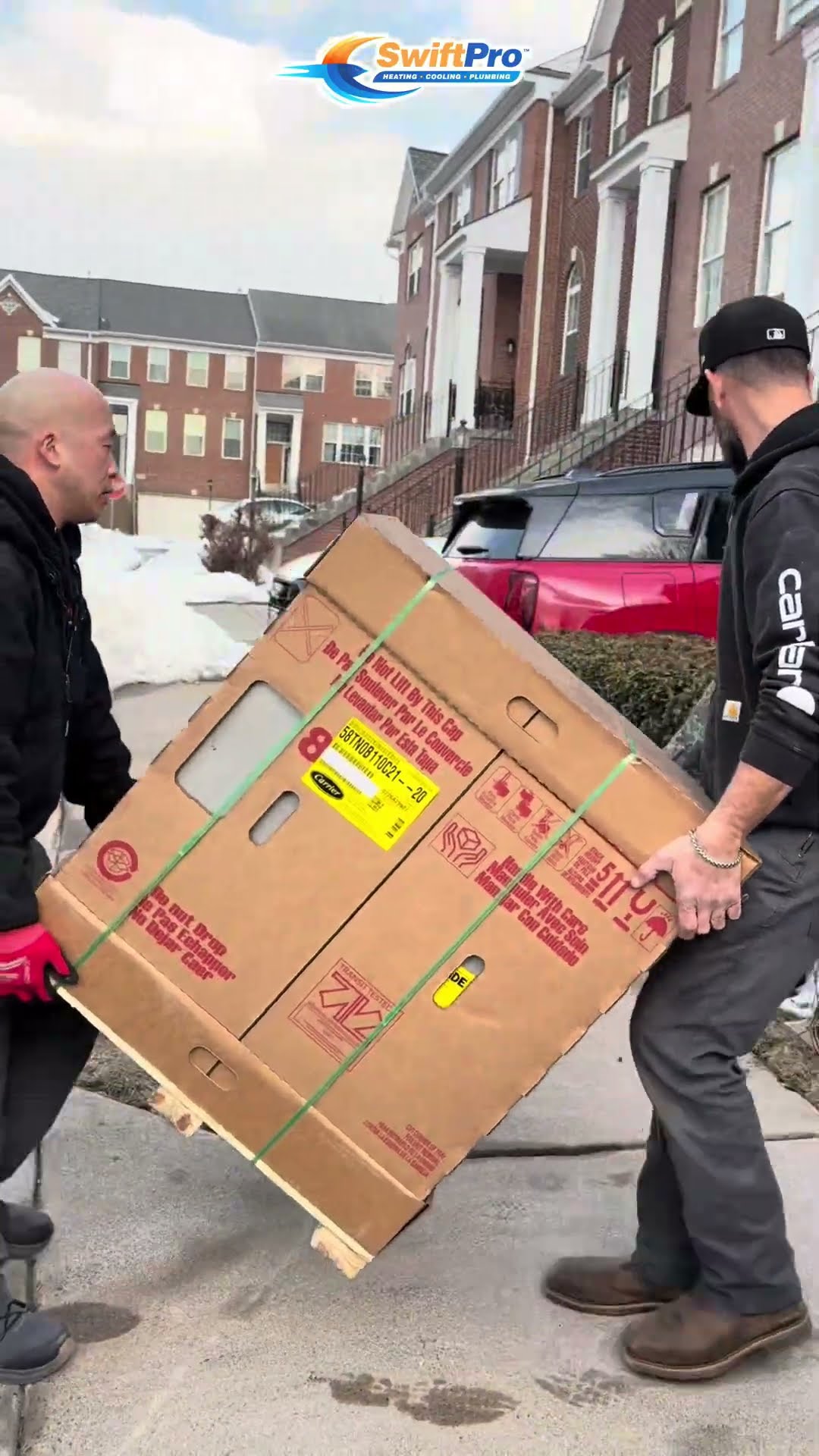
What a new furnace costs in your house. The furnace price estimator asks a few questions about your home and shows the installed price for your size, from $4,285. From about $71 a month at 0% APR for 60 months, the whole price financed, on approved credit. You can book a free in-home measurement from the same page.
Get it checked before the cold. The $67 Heating Check covers one furnace or heat pump, through December 31. If you also want the blower wheel pulled and cleaned with a full tune-up, that is $229.
SwiftPro runs 24/7 emergency service across Northern Virginia. (703) 997-9757. For anything that can wait until morning, book online and pick a time.
Watch our techs on real furnace jobs
Real jobs in Northern Virginia homes, filmed by our own crew. Tap one to watch.