


The short answer
Google Nest is a great thermostat for a gas furnace with central air, and that’s most of why people call it the best. It isn’t the best for every system. In Northern Virginia homes with a ductless mini split, a communicating Trane, Carrier or Lennox system, electric baseboard heat, or a humidifier on the furnace, a different thermostat or the system’s own control usually does the job better. Match the thermostat to the equipment first, then pick the brand you like.

Why so many people say Nest is the best
It earns a lot of that. It looks good on the wall, the app is easy, it learns your schedule, and it fits right into Google Home. Most houses here have a gas furnace and central air on plain thermostat wires, and that’s the system a Nest was built for. The trouble starts when the equipment isn’t that system.
Free Furnace With a New AC
Put in a new AC with its matching coil and a basic single-stage gas furnace goes in with it, installed together. See the free furnace
Want your own number before anyone comes out? The HVAC estimator prices your house in a few questions.
Nest by system type
Swipe to see all columns →
Swipe to see all columns →
| Your system | How a Nest fits | What we’d pick |
|---|---|---|
| Gas furnace with central AC | Great fit | Nest, ecobee or Honeywell. Pick by the app you like |
| Central heat pump with electric backup heat | Works when it’s set up right: the O/B wire, the backup heat wires and the lockout temperatures | Nest Learning or ecobee, set up by someone who knows heat pumps |
| Dual fuel (heat pump plus gas furnace) | Works, but Google strongly recommends a pro install, and Heat Pump Balance isn’t available, so the switchover is a manual setting | Any of the three, with the switchover temperature set by an installer |
| Ductless mini split | Only through the maker’s adapter, one per head, and you lose features | The maker’s own controller or app. See Nest on a Mitsubishi mini split |
| Communicating system (Trane, Carrier Infinity, Lennox) | At best it runs the system as a plain one, and the features you paid for go quiet | The brand’s own control |
| Electric baseboard heat (120 or 240 volt) | Not compatible | A line-voltage thermostat made for baseboard heat, one per room |
| Hot water boiler, heat only | Usually works. Some two-wire setups need a C wire or Google’s Power Connector | Nest or Honeywell |
| Gas fireplace or wall heater on millivolt controls | Not compatible | A millivolt thermostat |
| Furnace with a whole-house humidifier | Only the Nest Learning (4th gen) has an accessory terminal; the basic Nest Thermostat has none | Nest Learning (4th gen) or ecobee Premium |
On a communicating system, the thermostat and the equipment talk in the brand’s own language. That’s how a variable speed system decides how hard to run and how it reports its own faults. Put a regular thermostat on it and you’re back to on and off. More on a Nest on a Trane system and a Nest on a Carrier system.
The system we put in first
Built to take a beating. Put in by our crew.
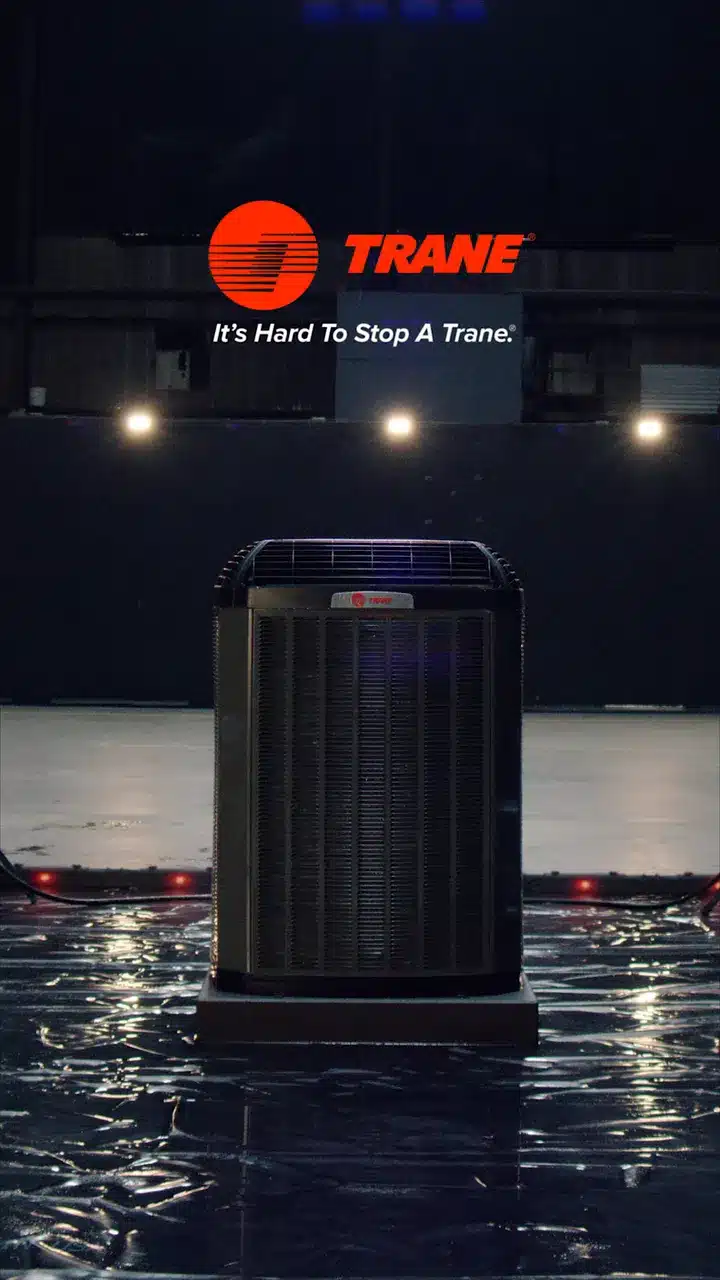
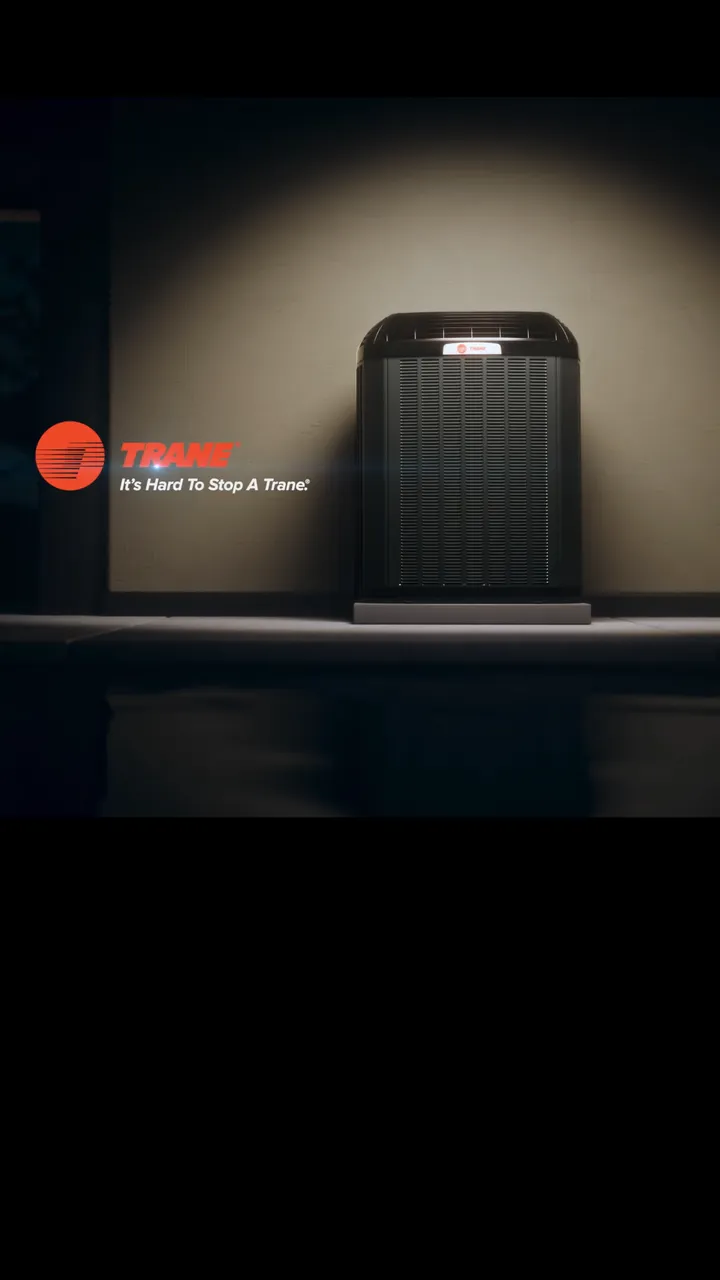
Heat lamps, snow and rain on one outdoor unit: that’s Trane’s own film. We’re a Trane Comfort Specialist, on Trane’s own dealer locator, and when you pick a Trane, our crew puts it in.
Films: Trane’s own.
The heat pump catch
Heat pumps are where a thermostat setup matters most in a Virginia winter. The thermostat decides when the backup heat strips come on, and Google says running them costs about 2 to 5 times as much as running the heat pump. Nest’s Heat Pump Balance uses the weather forecast to hold the strips back, but it needs the O/B wire and an internet connection. Set up wrong, any smart thermostat can burn money. The difference between aux and emergency heat is in aux heat vs emergency heat, and what to expect on cold mornings is in heat pumps in a Virginia winter.

Nest vs ecobee vs Honeywell
Swipe to see all columns →
Swipe to see all columns →
| Thermostat | Good at | Worth knowing | Pick it when |
|---|---|---|---|
| Google Nest Learning (4th gen) | Google Home, the learning schedule, heat pump features | One temperature sensor in the box and one accessory terminal. Google says it needs a C wire in under 1% of homes | Your house runs on Google Home |
| Google Nest Thermostat | Simple, clean, easy app | One heat stage, one cool stage and one extra. No accessory terminal. On a heat pump it needs a C wire or the Power Connector | A plain furnace and AC with no humidifier |
| ecobee Premium | Room sensors, one accessory terminal | One SmartSensor in the box. Heat pumps with two stages plus backup heat | Hot and cold rooms, or a humidifier |
| Honeywell Home T9 | Room sensors that read temperature, humidity and motion | Needs a C wire | You want sensors and a familiar Honeywell |
| Honeywell Home Pro series | Buttons, no app to learn | Programmable, nothing to update | Anyone who wants it to just work |
What we recommend, by what you care about
- One app for the whole house: Nest Learning if you’re on Google Home.
- One room always hot or cold: room sensors help (ecobee, Nest, T9), but they only move the average. If a room is always several degrees off, the ducts or the room are the cause. Start with a cold room in the house and zoning vs ductless.
- A humidifier on the furnace: ecobee Premium or Nest Learning (4th gen).
- A heat pump: any of the good ones, set up with the right lockout and backup heat settings.
- A mini split: the maker’s controller. Every option is in mini split thermostat options.
- No app at all: a Honeywell Home Pro series.
Before you buy a thermostat to fix a problem

A new thermostat won’t make a system heat or cool that can’t. If the screen says it’s calling and the house isn’t changing, the problem is the equipment. Thermostat not working walks through what to check first, and if a Nest is showing a code, Nest error codes explains each one. Our heating check is $67 per system, through December 31: furnace, heat pump or boiler. A repair visit starts with our $99 diagnostic. Ask the tech which thermostat fits your system while they’re there.
Book it
Book the heating check, call (703) 997-9757, or book online and tell us which thermostat you’re thinking about. Book from goswiftpro.com/cookiesoffer and a box of warm cookies comes with the visit. Rated 5.0 stars across 1,138 reviews on Google, Angi, Yelp, the BBB and Facebook, Virginia Class A license 2705192276.
Google Nest, Mitsubishi Electric, Diamond Contractor, ecobee and Honeywell Home are trademarks of their owners.
Questions people ask
Is Google Nest the best thermostat?
For a gas furnace with central air, it’s one of the best. For a mini split, a communicating Trane, Carrier or Lennox system, or electric baseboard heat, another control fits better.
Does a Nest work with a heat pump?
Yes, when it’s set up right: the O/B wire, the backup heat wires and the lockout temperatures. Heat Pump Balance needs the O/B wire and an internet connection.
Nest or ecobee for a house with hot and cold rooms?
Both come with one room sensor in the box, and ecobee is built around adding more. Sensors move the average, though. A room that’s always several degrees off usually has a duct or insulation problem.
Will a Nest work with electric baseboard heat?
No. Baseboard heaters run on 120 or 240 volts, and a Nest is a low-voltage thermostat. Use a line-voltage thermostat made for baseboard heat.
Will a new thermostat fix a system that isn’t heating?
Rarely. If the thermostat is calling and the house isn’t warming, the furnace or heat pump needs a look.


