


The short answer
Most water heater noises in Northern Virginia come from one thing: sediment. Our water is hard, the minerals settle on the bottom of the tank, and when the burner heats water trapped under that layer it pops and rumbles like a pot of oatmeal. A flush clears it. Hissing, a boom when the burner lights, or water on the floor are different, and those get a call.
What each sound means
Swipe to see all columns →
Swipe to see all columns →
| Sound | What it usually is | What to do |
|---|---|---|
| Popping or rumbling | Sediment on the bottom of the tank | A flush |
| Crackling or sizzling | Condensation dripping on the burner, normal on a cold tank. Or a leak dripping on it. On an electric tank, scale on the element | Look for water around the base |
| Hissing or whistling | Water or steam escaping: the relief valve, a valve partly closed, or a leak | Check the relief valve pipe for drips, and call |
| Ticking | Heat traps or pipes expanding as they warm | Usually nothing |
| Humming | Electric: a loose element. Power vent: the fan motor | A loud fan or element gets checked |
| Banging when a faucet shuts | Water hammer in the pipes, not the tank | Water hammer |
| A boom when the burner lights | Delayed ignition: gas builds up before it lights | Turn the gas control to off and call |
| Clicking on a tankless | Normal: the igniter and valves | Nothing |
| Rumbling on a tankless | Scale in the heat exchanger | A descale |
$99 Water Heater Flush
We drain and flush the tank, check the anode rod and test the relief valve, then go through the house's plumbing with photos, included. See the flush
Want your own number before anyone comes out? The water heater estimator prices your house in a few questions.
Popping and rumbling: sediment
Northern Virginia water carries a lot of calcium and magnesium. Our hard water guide has the numbers. Every time the tank heats, some of it drops out and settles. On a gas tank the burner is right under that layer, so water gets trapped under the crust, flashes to steam and pops its way out. Here’s a photo of what that looks like and a short video on water heater sediment.
The noise isn’t the real cost. Sediment makes the burner work harder to heat the same water, and it cooks the bottom of the tank, which is where tanks start to leak.
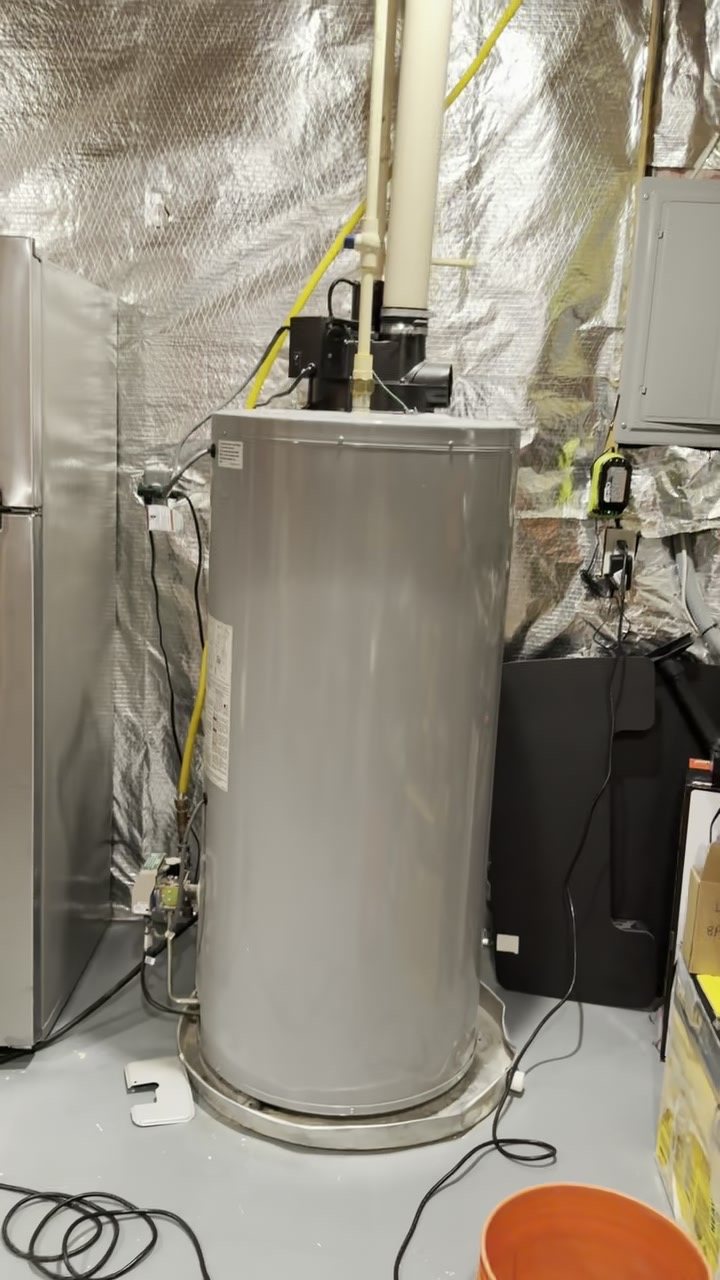
The water heater flush is $99 (normally $199). We drain and flush the tank, check the anode rod and test the relief valve. On a tank that’s gone 10 years without a flush, we’ll tell you before we start whether it’s worth doing, because a thick layer can clog the drain valve on the way out.
Hissing: start with the relief valve
The temperature and pressure relief valve sits on the top or side of the tank with a pipe running down toward the floor. It opens when the temperature or pressure gets too high. A drip from that pipe can be a worn valve, or water expanding as it heats with nowhere to go. That second one is what an expansion tank is for. Never cap or plug the relief valve pipe. If water is on the floor and you can’t tell where from, here’s how to read a leak at the bottom of the tank.
Ticking and humming
Ticking as the tank heats is usually the heat traps on the pipes at the top, or copper expanding as hot water moves through it. It’s harmless. Humming on an electric tank is often an element that’s worked loose, and it gets tightened. On a power vent tank, the fan hums every time it runs. A fan that starts to grind or squeal is a motor on its way out.
The boom: turn it off
A whump or a boom right when the burner lights means gas is building up before it ignites. That’s delayed ignition, and it’s the noise not to live with. A dirty burner, low gas pressure or a venting problem can cause it. Turn the gas control to off and call. If you smell gas, leave the house and call the gas company from outside.
Tankless noises
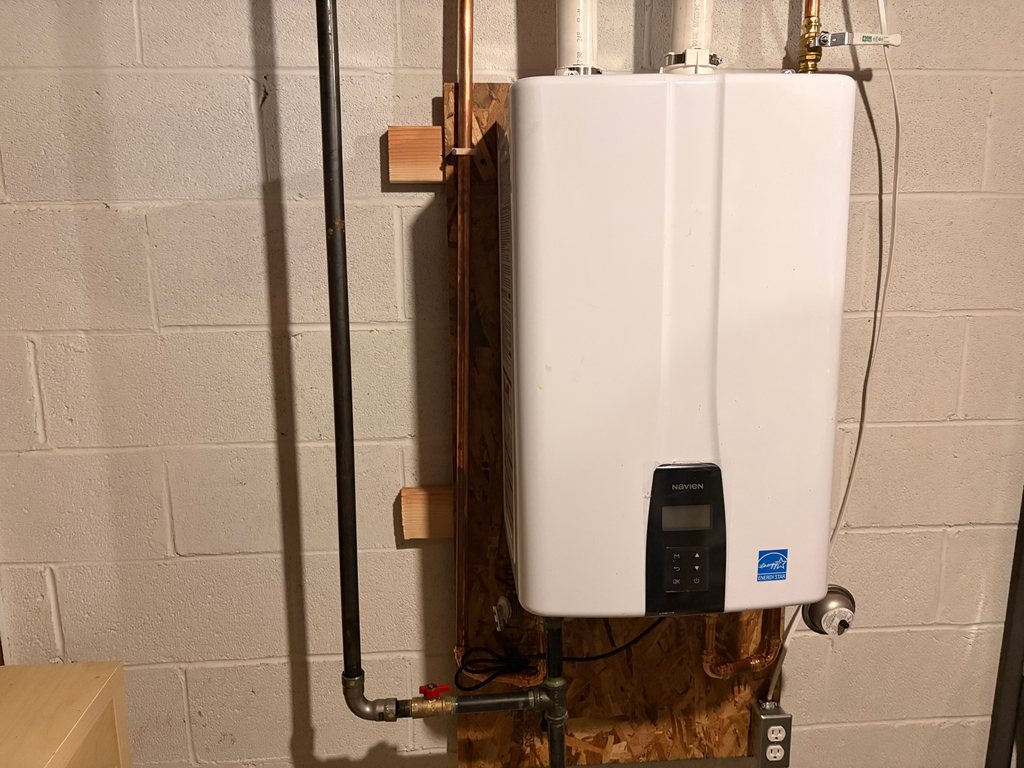
A tankless clicks every time it fires. That’s the igniter and the valves, and it’s normal. A rumble or a kettle sound means scale in the heat exchanger, and the fix is a descale: $300, regularly $350. More on tankless problems and tankless maintenance.
When the noise means the tank is near the end
A loud tank that’s 10 to 12 years old is usually telling you it’s close. The year is on the label. Here’s how long a water heater lasts and the maintenance that stretches it. If you go new, the water heater estimator shows your installed price first, and $500 comes off it. Every other sound in the house is in our guide to house noises.
Book it
A plumbing diagnosis visit is $49, or $250 after hours, and you get the price of the fix before we start. Call (703) 997-9757, day or night, or book the water heater flush from goswiftpro.com/cookiesoffer by November 30 and a box of warm MOLTN cookies comes with it. Every current deal is on our offers page. Rated 5.0 stars across 1,138 reviews on Google, Angi, Yelp, the BBB and Facebook, Virginia Class A license 2705192276.
Questions people ask
Why is my water heater popping?
Sediment. Minerals from hard water settle on the bottom of the tank, water gets trapped under them, and it pops as it boils its way out. A flush clears it.
Is it normal for a water heater to make noise?
Some, yes. Ticking as it heats, a click on a tankless and a hum from a power vent fan are normal. Popping means sediment. Hissing or a boom at the burner get a call.
Is a popping water heater dangerous?
Usually not right away. It makes the tank work harder and wears out the bottom sooner. A boom when the burner lights is different: turn the gas control off and call.
Will flushing stop the noise?
If it’s sediment, usually, yes. Hard water brings it back, so a yearly flush keeps it quiet. On a tank that’s gone 10 years without one, have a plumber look first.

